
Plants
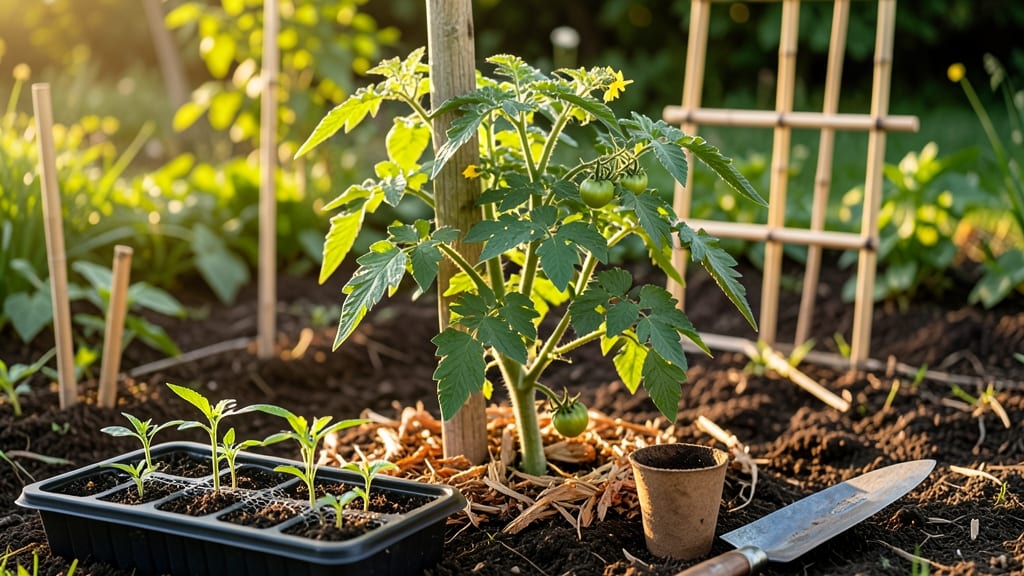
Knowing when to plant tomatoes in Michigan can mean the difference between a bountiful harvest and a garden full of bolted plants that never produce fruit.
Michigan’s 5b-6b climate demands precision—plant too early, and frost will nip your seedlings in the bud; wait too long, and your season shrinks faster than a summer day.
For most Michigan gardeners, the sweet spot arrives between mid-April and early June, but timing varies by region. Whether you’re starting seeds indoors or transplanting young plants, the key is waiting until soil temperatures hit a steady 60°F and all frost risk has vanished.
This isn’t just about dates—it’s about understanding your local microclimate.
I’ve spent years growing tomatoes in Michigan, and the most important lesson? Patience pays off. Rushing leads to stunted growth, while waiting too long cuts your harvest short.
In this guide, I’ll break down the exact windows for your zone, plus pro tips to extend your season and avoid common mistakes that turn your 🍅 dreams into disappointment.
Ready to grow tomatoes that thrive from July to October? Let’s dive into the strategies that work—no guesswork, just results. Your garden (and your taste buds) will thank you.
Michigan planting zones and ideal tomato planting dates by region
Michigan’s diverse climate—from the Great Lakes’ moderating influence in the south to colder northern zones—means tomato planting dates vary dramatically. Most of the state falls under USDA Zones 5b-6b, but even within these zones, last frost dates shift by weeks.
For example, southern Michigan’s Detroit area typically sees its last frost by April 20th, while northern regions like Traverse City often wait until May 10th or later.
To avoid bolting (premature flowering) or frost damage, timing is critical. Tomatoes thrive when soil temperatures hit at least 60°F, and nighttime temps stay above 50°F.
Planting too early forces seedlings to stretch toward light, weakening them, while planting too late shortens your harvest window before Michigan’s first frost in October.
Here’s what you need to know about Michigan’s planting zones, including last frost dates, ideal transplant windows, and soil temperature thresholds for your region:
| Zone | Last Frost Date | Soil Temp Threshold | Ideal Transplant Window | Notes |
|---|---|---|---|---|
| Southern MI (Zone 6b) | April 15–25 | 60°F+ | April 25–May 10 | Use black plastic mulch to warm soil faster. |
| Central MI (Zone 5b-6a) | May 1–10 | 60°F+ | May 10–20 | Row covers extend season by 2–3 weeks. |
| Northern MI (Zone 5a-5b) | May 10–20 | 65°F+ | May 20–June 1 | Start indoors in March for earlier harvests. |
| Upper Peninsula (Zone 4b-5a) | May 20–June 1 | 70°F+ | June 1–10 | Choose short-season varieties (e.g., 'Stupice'). |
For southern Michigan gardeners, the window to plant tomatoes outdoors opens as early as late April, but most experts recommend waiting until mid-May to ensure soil warmth. In northern regions, June planting is often the safest bet, especially for heirloom varieties that need more time to mature.
Pro tip: Use a soil thermometer to confirm temperatures. Tomatoes won’t thrive in cold soil, even if air temps feel warm. If your soil hasn’t reached 60°F by late May, consider raising beds or using black plastic mulch to accelerate warming.
Another key factor is variety selection. Early-season varieties like 'Early Girl' (60–65 days to maturity) work well in southern Michigan, while northern gardeners should opt for 'Mountain Merit' (70 days) or 'Glacier' (55 days), which tolerate cooler temps better.
Always check the days-to-maturity label and count backward from your average first frost date.
If you’re starting seeds indoors, begin 6–8 weeks before your last frost date. For southern Michigan, that means late February to early March, while northern gardeners should start seeds in March. Use grow lights to provide 14–16 hours of light daily and avoid leggy seedlings.
Remember: Succession planting is your friend in Michigan’s short season. Instead of planting all your tomatoes at once, stagger transplants every 2–3 weeks to ensure a continuous harvest from July through September. This also reduces the risk of disease spread if plants mature at different rates.
Finally, keep an eye on weather forecasts in late spring. A late frost can devastate young plants, so have row covers or a cold frame ready to protect seedlings if needed. With the right timing and preparation, you’ll enjoy homegrown tomatoes straight from your Michigan garden!
How to extend your Michigan tomato season without risking bolt
Michigan’s short growing season (just 165 frost-free days) can feel like a race against time, but with the right strategies, you can grow tomatoes from June until October.
The key is protecting young plants from late frosts while extending the harvest window without triggering bolting—when plants flower too early and produce bitter fruit.
I’ve used these tactics in my own garden to push my last harvests into mid-October, even in colder zones. Start with cold frames or row covers to shield seedlings from unexpected frosts, then transition to heat-tolerant varieties and succession planting to keep the harvest flowing.
Let’s break down the best methods to maximize your season without sacrificing quality.
🌱
One of my favorite tricks is combining row covers with succession planting. For example, I plant early varieties under covers in late April, then remove the covers once plants are established.
Meanwhile, I sow late-season seeds in early June for a second harvest wave. This doubles my yield without risking bolting.
Remember, the goal is to balance warmth and protection. Overheating soil or plants can trigger bolting just as easily as cold snaps. Monitor your garden closely, and don’t hesitate to adjust your strategy based on weekly weather forecasts.
With these methods, you’ll enjoy homegrown tomatoes well into October, even in Michigan’s cooler climate.
☀️