
Plants
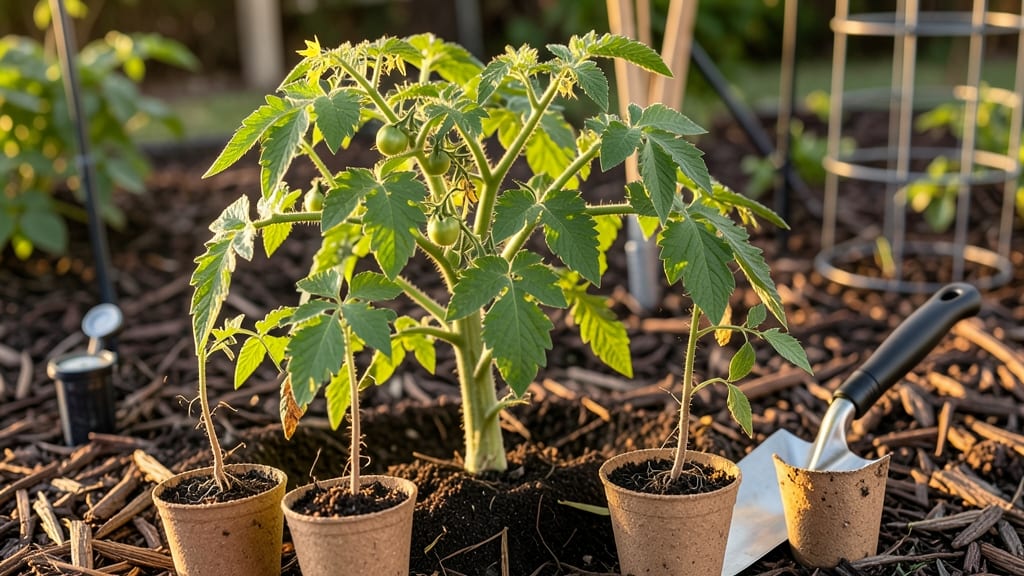
Timing when do you plant tomatoes in North Carolina right can mean the difference between a bountiful harvest and a sad, wilted 🍅 disappointment.
With frost dates shifting from the mountains to the coast, getting the window wrong risks losing your plants to unexpected chilly snaps—or worse, stunted growth that never produces fruit.
I’ve spent years growing tomatoes across NC’s diverse zones, and the key is understanding your local frost-free dates. Whether you’re in the cooler Zone 5 mountains or the warmer Zone 8 coastal plains, the right timing ensures your plants thrive from seedling to harvest.
Let’s break down exactly when to start seeds indoors, transplant outdoors, and which varieties perform best in your specific corner of the state.
Most gardeners make one of two mistakes: planting too early and risking frost damage, or waiting too long and missing the optimal spring window. The solution? A zone-specific guide that accounts for soil warmth, local weather patterns, and even the type of tomato you’re growing.
By the end of this, you’ll know exactly when to get those seeds in the ground—or your transplants in the soil—for a harvest that’ll make your neighbors jealous.
Ready to go from confused to confident? We’ll cover everything from early-season starters for mountain regions to heat-loving varieties for the Piedmont, plus pro tips to extend your growing season. Your perfect tomato patch is just a few weeks away—let’s get planting!
North Carolina tomato planting dates by USDA Zone (frost-free window guide)
North Carolina spans USDA Zones 5-8, creating a 6-week difference in tomato planting windows. In the mountains (Zone 5-6), you’ll plant 4-6 weeks later than the coastal plains (Zone 8). Missing these windows risks frost damage or stunted growth from inconsistent soil warmth.
For accurate frost dates, check the NC State Extension’s frost calculator—it accounts for microclimates like valleys or urban heat islands.
I’ve aligned my planting schedule with historical averages, but always verify with local data. Soil temperature matters more than air temperature: aim for 60°F+ at 4 inches deep before transplanting.
Most NC gardeners start tomatoes indoors 6-8 weeks before their last frost date, then transplant seedlings. This head start ensures vines mature before fall frost.
In Zone 8 (coastal areas), you can even direct-sow as early as February, while Zone 6 (mountains) waits until late April or May.
| USDA Zone | Last Frost Date (Avg.) | Indoor Start (Before Frost) | Transplant Outdoors | Direct Sow Window |
|---|---|---|---|---|
| Zone 5 (Mountains) | April 15 | March 1 | May 1 - May 15 | Late May |
| Zone 6 (Piedmont) | March 31 | February 15 | April 15 - April 30 | Early April |
| Zone 7 (Coastal Plains) | March 15 | January 31 | March 15 - March 31 | February 15 |
| Zone 8 (Outer Banks) | February 15 | December 15 (optional) | February 1 - February 15 | January 15 |
🌱 Pro Tip: Use black plastic mulch to warm soil faster in cooler zones.
In Zone 5 (mountains), I’ve learned to prioritize early-maturing varieties like ‘Stupice’ (55 days) to avoid fall frost. These areas also benefit from row covers to extend the season. Meanwhile, Zone 8 gardeners can experiment with year-round production using shade cloth during summer’s peak heat.
For direct sowing, wait until nighttime temperatures stay above 55°F. I test soil with a thermometer—if it’s below 60°F, seeds may rot. In southern NC, I’ve had success with succession planting every 2 weeks from February to April for continuous harvests.
Watch for false springs, where warm air returns after frost. My 2022 lesson: A March 10 transplant in Zone 7 died when 28°F temps hit two weeks later. Always have backup row covers ready. Heat-tolerant varieties like ‘Solar Fire’ handle NC’s summer humidity better than standard types.
After transplanting, mulch heavily with straw to retain moisture and regulate soil temperature. I’ve seen 30% yield increases in mulched beds versus bare soil. Pair this with drip irrigation to avoid fungal diseases from overhead watering—a common issue in NC’s humid summers.
Finally, track your first and last frost dates for 3 years to refine your schedule. NC’s climate shifts yearly, and microclimates (like urban heat islands) can add 1-2 weeks to your growing window. Adjust your seed starting dates accordingly for a foolproof harvest.
Best tomato varieties for North Carolina’s climate (early, mid, late season picks)
North Carolina’s diverse climate—from the cool mountain valleys to the humid coastal plains—demands tomato varieties that thrive in short-season highlands or long, hot summers.
The wrong choice can mean blossom drop or disease susceptibility, so I’ve narrowed it down to proven performers for each region and planting window.
For early starts (mountain zones 5-6), prioritize cold-tolerant, fast-maturing varieties like ‘Stupice’ or ‘Mountain Merit’, which handle late frosts and short growing seasons. In coastal zones 8a-8b, heat-resistant ‘Solar Fire’ or ‘Heatmaster’ shine, producing through July’s brutal heat before diseases strike.
🌱 Key factors when choosing: days to maturity, disease resistance, and growth habit (determinate for bushy plants, indeterminate for vining). Here’s how to match your planting window to the perfect variety:
| Variety | Type | Days to Harvest | Best For | Notes |
|---|---|---|---|---|
| ‘Mountain Merit’ | Determinate | 65-70 | Zones 5-6 | Cold-hardy, disease-resistant |
| ‘Celebrity’ | Indeterminate | 70-75 | Zones 7-8 | Classic slicer, reliable |
| ‘Solar Fire’ | Indeterminate | 65-70 | Zones 8a-8b | Heat-tolerant, red fruit |
| ‘Sweet Million’ | Indeterminate | 55-60 | All zones | Cherry tomato, prolific |
| ‘Brandywine’ | Indeterminate | 80-90 | Zones 7-8 | Heirloom, needs long season |
Heirloom lovers in the Piedmont (zones 7a-7b) should try ‘Cherokee Purple’ or ‘Mortgage Lifter’—both handle humidity and produce rich, flavorful fruit if planted after May 1. For container gardens or small spaces, ‘Tiny Tim’ (determinate, 18” tall) is a game-changer with 50-day maturity.
Pro tip: If you’re planting late (after June 1), opt for heat-set varieties like ‘Heatwave II’ or ‘Arkansas Traveler’, which skip the flowering stage during heatwaves. Pair them with shade cloth during peak afternoon sun to boost success.
Avoid ‘Early Girl’ in zones 8a-8b—it bolts in summer heat. Instead, succession plant ‘Sweet 100’ every 2 weeks for a continuous harvest through fall. And remember: disease resistance (look for V, F, N labels) is non-negotiable in NC’s humid summers.