
Flowers
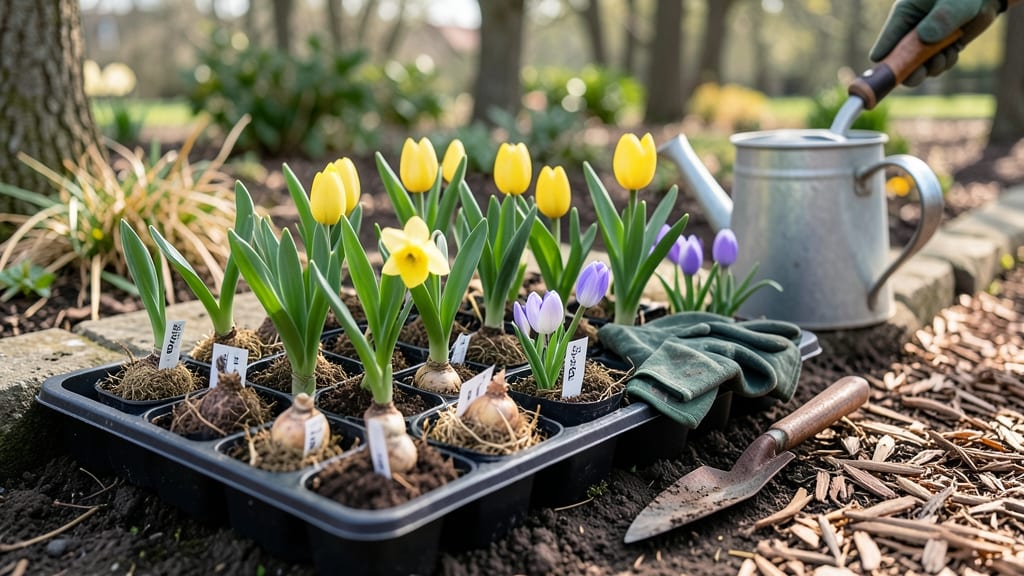
Timing your spring flower planting wrong can mean wilting dreams before blooms appear—but knowing your hardiness zone and frost dates transforms guesswork into a thriving garden. 🌸 In Zone 6a, where last frost typically hits around April 15, waiting until soil warms to at least 60°F makes all the difference between fragile seedlings and vibrant blooms.
Most gardeners assume "spring planting" means rushing out as soon as the calendar flips to March, but that’s a recipe for frost damage. The key is understanding which flowers thrive in cool early-season conditions versus those that need warmer soil to take root.
Annuals like pansies can handle cooler temps, while tender varieties like marigolds wait until late April or May.
I’ve learned the hard way that soil temperature matters more than air temperature—and using a simple soil thermometer can save you from replanting. Whether you’re sowing seeds or transplanting starts, this guide will help you align your planting schedule with nature’s timeline for your region.
Let’s break down exactly when to plant each type of flower, how to adjust for late frosts, and which varieties play well together in your spring garden. Your dream blooms are just a few weeks away—if you time it right.
Spring planting timelines by USDA hardiness zones (with frost-date guide)
Timing your spring flower planting depends entirely on your USDA hardiness zone and last frost date. In colder zones like Zone 3-5, you’ll start as early as late April, while warmer Zones 9-11 can plant annuals in February.
The key is waiting until the soil warms to at least 60°F (15°C)—this ensures roots establish without frost damage.
Your last frost date is the magic number, but it varies yearly. Check the NOAA frost calendar for your region or use a local weather app to track trends.
For example, Zone 6a (like much of the Midwest) typically has its last frost around April 15, but late frosts can push planting back to mid-May.
Perennials and cool-season flowers like pansies or snapdragons can handle lighter frosts, but tender annuals like marigolds or petunias need consistent warmth. Always err on the side of caution—frost-killed seedlings are a gardener’s worst nightmare.
🌱
| Zone | Last Frost Date | Best Planting Window | Soil Temp Goal |
|---|---|---|---|
| 3-5 | Mid-April to May 1 | Late April–May 15 | 55–60°F (13–15°C) |
| 6-7 | April 1–May 10 | April 15–May 1 | 60–65°F (15–18°C) |
| 8-9 | February–March 15 | February–April | 65–70°F (18–21°C) |
| 10-11 | January–February | January–March | 70–75°F (21–24°C) |
Note: Adjust for microclimates (e.g., urban heat islands plant 1–2 weeks earlier).
For bulbs like tulips or daffodils, timing shifts to fall planting (6–8 weeks before frost), but spring-blooming bulbs like hyacinths can go in as early as March in Zone 7+. Always plant bulbs 3x deeper than their height for stability.
If you’re unsure about your zone, use the USDA Plant Hardiness Zone Map and input your ZIP code. Local nurseries are another goldmine—they’ve seen frost patterns firsthand and can recommend frost-tolerant varieties like cosmos or black-eyed Susans for later starts.
Pro tip: Mark your last frost date on your calendar and count back 2–4 weeks for seed-starting indoors. This gives seedlings a head start before transplanting after the frost.
🌿
Even if you miss the ideal window, don’t panic. Row covers or cold frames can protect young plants for 2–3 extra weeks. Just monitor soil temps with a thermometer—50°F (10°C) soil is the absolute minimum for most flowers.
Finally, perennials like coneflowers or daylilies are more forgiving—they can handle light frosts after planting. But annuals like geraniums? They’ll bolt (go to seed) if stressed by cold, so wait until the air temperature stays above 50°F (10°C) at night.
☀️
How to adjust planting dates for early vs late spring conditions
Spring weather can be as unpredictable as a butterfly’s flight, leaving you wondering whether to plant your pansies now or wait. Late frosts, unexpected heatwaves, or cold soils can push back your planting window by weeks—sometimes even months.
The key is flexibility: knowing how to adjust your schedule based on real-time conditions keeps your garden thriving, not wilting.
Start by monitoring your local frost dates from the National Oceanic and Atmospheric Administration (NOAA). While the average last frost might be April 15th in your zone, a late cold snap could delay it until May 1st.
Use a soil thermometer to check if temperatures have reached the minimum 60°F (15°C) most flowers need to germinate successfully.
🌱 Numbered Highlights: Adjusting for Spring Conditions
- 1. Wait for consistent warmth: Plant warm-season flowers (like marigolds or zinnias) only after 3 consecutive days above 50°F (10°C).
- 2. Use row covers: Protect early spring plants (e.g., pansies or snapdragons) with lightweight fabric to shield them from late frosts.
- 3. Test soil temperature: For bulbs like tulips, wait until soil is 50–55°F (10–13°C)—cold soil stunts growth.
- 4. Extend the season: Use cold frames or greenhouses to start heat-loving flowers (e.g., petunias) 4–6 weeks earlier.
- 5. Check moisture levels: Overwatering cold, wet soil can suffocate seeds—wait for soil to dry slightly before planting.
Pro tip: Set up a garden journal to track your local adjustments year after year!
If your spring arrives with unseasonable warmth, resist the urge to plant cool-season flowers too early. Violas or sweet peas planted in March might bolt (send up flower stalks prematurely) if temperatures spike. Instead, opt for heat-tolerant varieties like calendulas or sunflowers, which handle warmer-than-average starts.
For late-spring delays, prioritize fast-growing annuals like basil or nasturtiums, which can be direct-sown even in June. If you’ve already planted, use mulch to insulate roots and shade cloth to protect seedlings from intense afternoon sun until they acclimate.
Remember: No two springs are identical. By combining frost data, soil checks, and protective tools, you’ll turn unpredictable weather into an advantage—giving your flowers the perfect head start, no matter what Mother Nature throws your way. 🌷