
Flowers
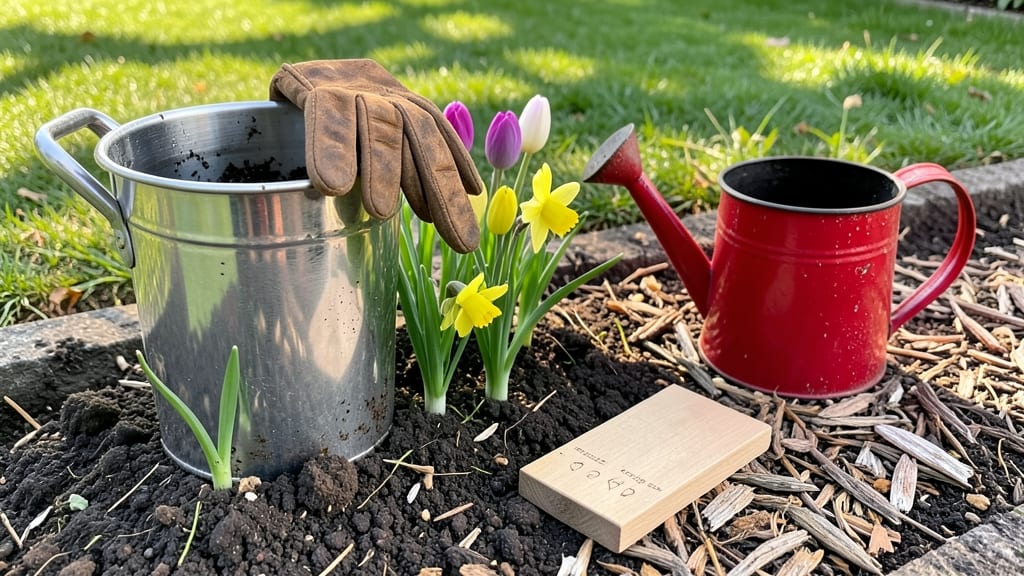
Timing your spring flower planting just right can transform your garden from a patch of dirt to a vibrant, blooming paradise—but get it wrong, and you might end up with wilted dreams instead of 🌸.
The difference between a thriving garden and a season of disappointment often comes down to knowing when to break out the gloves and get planting.
If you're in Zone 6a like me, you know waiting for the last frost date (usually around mid-April) is only the first step. The real secret lies in understanding how different flowers respond to soil temperatures and daylight changes.
Some annuals can handle cooler spring air, while perennials and bulbs need that perfect window of warmth to take root.
I've learned the hard way that planting too early can leave your flowers vulnerable to late frosts, while waiting too long might mean missing the ideal growing window.
The good news? With a little preparation—like testing soil temperatures and choosing the right varieties—you can create a garden that blooms from early summer right through fall.
Let me show you exactly when to plant your favorite flowers, how to adjust for your specific zone, and the easiest ways to keep them thriving all season long. Your future garden will thank you!
Spring flower planting schedule by USDA hardiness zones (with exact dates)
Getting your spring flower planting timing right depends on your USDA hardiness zone and local last frost date. Planting too early risks frost damage, while waiting too long may delay blooms.
Let's break down the perfect planting windows for zones 3-10, including regional adjustments for coastal vs. inland climates.
Most gardeners follow a simple rule: wait until soil temps reach 60°F (15°C) and the last frost date has passed. However, bulbs and early bloomers like crocuses can handle cooler temps, while tender annuals like petunias need warm soil. Let's explore the zone-by-zone schedule to ensure your flowers thrive.
🌱 Pro Tip: Use your local cooperative extension service to find your exact last frost date—it can vary by 1-2 weeks even within the same zone.
| Zone | Planting Window | Key Flowers | Soil Temp Goal | Regional Note |
|---|---|---|---|---|
| 3-4 (Cold Climates) | Late April - Early May | Tulips, Daffodils, Pansies | 50°F (10°C) | Wait for stable 50°F soils |
| 5-6 (Mid-Atlantic) | Mid-April - Mid-May | Marigolds, Snapdragons, Coneflowers | 60°F (15°C) | Coastal areas: 2 weeks earlier |
| 7-8 (Southeast) | Early March - Early April | Petunias, Impatiens, Zinnias | 65°F (18°C) | Gulf Coast: plant by Feb |
| 9-10 (West Coast) | Late February - March | Lavender, Geraniums, Dahlias | 60°F (15°C) | Desert areas: wait for rains |
For bulbs and perennials, many gardeners plant in fall (September-October) for spring blooms, but annuals and tender perennials like coleus or begonias should wait until after your last frost date. Use a soil thermometer to verify temps—cool soil slows germination.
In Zone 5, for example, I plant hardy annuals like calendula in early April, but wait until mid-May for tender varieties like cosmos. The key is monitoring local forecasts and adjusting by 1-2 weeks if needed. Coastal regions often have earlier planting windows due to milder nights.
If you're unsure about your last frost date, check Almanac.com or ask your local nursery. They’ll have hyper-local advice tailored to your microclimate. For container gardening, you can plant 2-4 weeks later since pots warm up faster.
Once you’ve nailed your planting window, focus on soil prep. Amend with compost and a balanced fertilizer (like 10-10-10) to give flowers a nutrient boost. Mulch after planting to retain moisture and suppress weeds.
For year-round color, stagger planting by 2-3 weeks. For example, plant early bloomers like sweet peas in March, mid-season flowers like zinnias in April, and late-season bloomers like sunflowers in May. This ensures continuous blooms from spring to fall.
Remember, regional microclimates matter! A south-facing slope warms up faster than a
Best spring-blooming flowers to plant by month (for year-round color)
If you want a garden that bursts with color from early summer through fall, planning your spring flower planting by month is key. Different flowers thrive when planted at different times, and knowing when to sow each variety ensures a seamless transition of blooms.
For example, cool-season flowers like pansies and snapdragons can handle early spring planting, while heat-loving marigolds and zinnias need warmer soil to sprout.
I’ve found that breaking your planting into three key windows—March, April, and May—gives you the best chance for continuous blooms. Each month offers unique opportunities based on soil temperatures, daylight hours, and frost risks.
Let’s dive into the best flowers to plant each month, along with their ideal sunlight and care needs.
🌱 March Planting (Cool-Season Flowers)
- Pansies & Violas: Hardy to light frosts; plant 4-6 weeks before last frost for early blooms.
- Sweet Alyssum: Thrives in cool weather; self-seeds easily for prolonged color.
- Calendula: Edible petals; tolerates light frost and partial shade.
- Lobelia: Perfect for borders; loves moist, well-drained soil.
☀️ April Planting (Transition Flowers)
- Snapdragons: Tall and dramatic; plant after soil warms to 50°F.
- Dianthus: Fragrant blooms; needs full sun and well-draining soil.
- Nasturtiums: Edible and pest-repellent; thrives in poor soil.
- Sweet Peas: Climbing vines; sow seeds directly after last frost.
🌞 May Planting (Heat-Loving Annuals)
- Marigolds: Pest-deterring; plant after soil reaches 60°F.
- Zinnias: Long-lasting blooms; deadhead for continuous flowers.
- Sunflowers: Fast-growing; ideal for cutting gardens.
- Petunias: Vibrant colors; needs consistent moisture.
For perennials, like coneflowers or black-eyed Susans, early spring is the best time to divide or transplant them. These hardy plants establish roots quickly in cool soil, giving them a head start for summer blooms.
I’ve also found that bulbs like tulips and daffodils should be planted in the fall, but if you missed that window, some varieties (like rain lilies) can be planted in early spring for late-summer color.
Pro tip: Always check your local last frost date and adjust planting times accordingly. For example, in Zone 6a, March is safer for cool-loving flowers, while May is ideal for heat lovers.
If you’re in a warmer zone (like Zone 8-10), you can start planting annuals as early as February!
By following this monthly guide, you’ll create a garden that blooms nonstop, from the delicate pansies of early spring to the bold zinnias of late summer. Just remember: soil temperature matters more than air temperature, so always test it before planting. Happy gardening!