
Plants
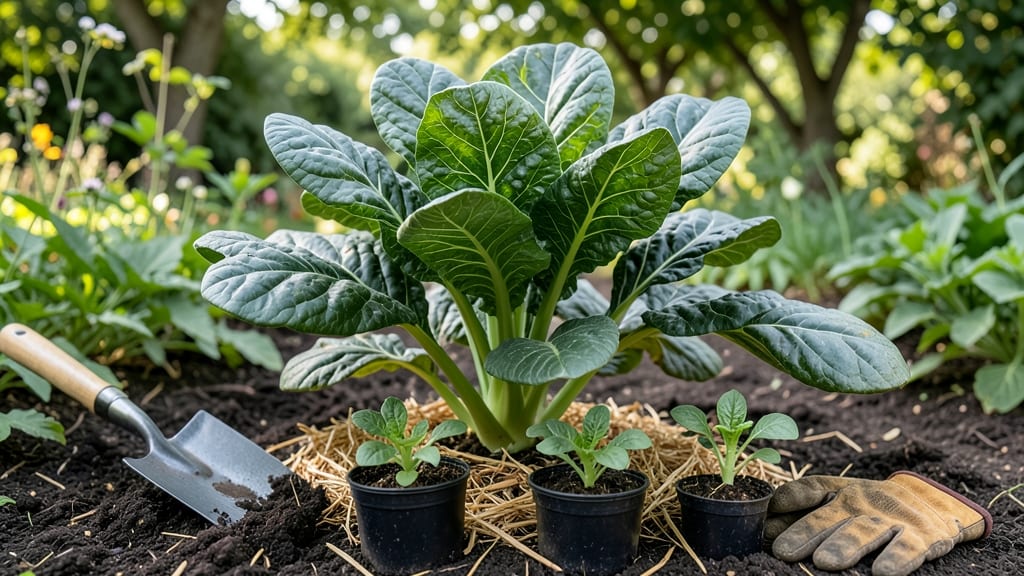
If you’ve ever wondered when do you plant collards in Georgia to avoid summer bolting or late-season wilting, the answer lies in timing.
Planting collards at the wrong time—whether too early in the heat or too late before frost—can turn your garden into a bitter disappointment instead of a nutrient-packed harvest.
Georgia’s mild winters and long growing season give you two prime windows to plant collards: late winter/early spring (February–March) and late summer/early fall (August–September). But getting it right means understanding how frost dates and summer heat shape your success—or failure.
Let’s break down the exact months to plant for maximum yield, how to protect your crop from Georgia’s extreme temperatures, and when to expect those first sweet, tender leaves. Spoiler: The key isn’t just about avoiding frost—it’s about working with your climate.
Whether you’re a first-time gardener or a seasoned green thumb, these tips will help you grow collards that thrive year after year. Ready to start?
Georgia’s optimal collard planting windows by month (with frost data)
Georgia’s mild winters and long growing season give you two prime windows to plant collards: early spring and late summer. But timing matters—plant too early, and frost will damage tender seedlings.
Plant too late, and summer heat will make leaves bitter or cause bolting. Let’s break down the perfect planting months based on Georgia’s USDA zones 7b-8b and frost averages.
The average last frost date in Georgia falls around March 15, while the first frost typically hits November 15. This gives you a 215-day frost-free window—plenty of time for two collard harvests if you plan carefully.
For spring harvests, aim for February to early April planting. For fall harvests, plant August to early September to ensure mature leaves before frost.
| Planting Window | Recommended Months | Frost Risk | Harvest Time | Key Notes |
|---|---|---|---|---|
| Spring Planting | February - Early April | Low (after March 15) | April - May | Start seeds indoors 4-6 weeks before last frost for transplants. Direct sow after frost. |
| Fall Planting | August - Early September | Moderate (before Nov 15) | October - November | Plant 6-8 weeks before first frost for mature leaves. Use row covers if frost hits early. |
| Succession Planting | March, May, July | Varies | Staggered harvests | Sow every 2-3 weeks for continuous harvests. Avoid June-July due to heat stress. |
For spring plantings, I recommend starting seeds indoors in late January (if using transplants) or direct-sowing in early February under row covers to protect from late frosts. Seedlings need 60-75 days to mature, so aim for transplants by March 1 for a May harvest.
In North Georgia (Zone 7b), where frosts linger longer, delay until mid-March to avoid cold snaps.
In South Georgia (Zone 8b), you can plant as early as February 1 with minimal frost risk. The key is soil temperature: collards thrive in 50-85°F soil.
Use a soil thermometer to confirm—if it’s below 50°F, wait a week or two. Pro tip: Mix in compost to warm the soil faster.
Fall plantings are trickier because summer heat can stress young plants. Start seeds indoors in July for early August transplants, or direct-sow in late July if your soil stays moist. The goal is to have mature leaves by October before temperatures drop.
If you’re in North Georgia, plant by August 15 to beat the first frost. In South Georgia, you can push it to September 1.
If you miss the fall window, don’t despair—succession planting can extend your harvest. Sow a small batch in May for a July-August harvest before the heat peaks. Just be prepared to provide shade cloth (30-50% shade) if temperatures exceed 90°F.
I’ve had success with drip irrigation to keep roots cool during Georgia’s brutal summer afternoons.
One common mistake Georgia gardeners make is planting collards in June or July. While collards are heat-tolerant, prolonged exposure to 95°F+ temperatures causes leaves to bolt (flower prematurely) or develop bitter flavors.
To avoid this, I recommend mulching heavily with straw or wood chips to insulate roots and retain moisture. A 2-3 inch mulch layer can lower soil temps by 5-10°F.
For container gardening in Georgia, adjust your timeline slightly. Pots warm up faster, so start seeds 1-2 weeks later than in-ground plantings. Use 5-gallon containers for each plant and place them in partial shade during peak summer heat.
I’ve grown collards successfully on balconies in Athens by moving pots to shadier spots after 2 PM
Georgia’s optimal collard planting windows by month (with frost data)
Georgia’s climate—with its mild winters and hot summers—creates two distinct planting windows for collards. The first window opens in late winter (February–March), while the second begins in late summer (August–September).
These timings align with Georgia’s USDA zones 7b-8b, where average last frost dates fall around March 15 and first frosts arrive by November 15.
For a spring harvest, plant collards 4–6 weeks before your last frost date. In Georgia, this typically means starting seeds indoors in February or transplanting young plants in early March. The goal? Beat the heat while giving plants enough time to mature before summer’s intensity sets in.
Your second chance comes in late summer. Plant collards in August for a fall harvest before frost arrives. This window works because collards thrive in cool weather and can handle light frosts, which actually sweeten their flavor. However, planting too late—after mid-September—risks stunted growth before winter.
| Planting Window | Best Months | Key Considerations | Harvest Time |
|---|---|---|---|
| Spring Planting | February–March | Avoid summer heat; transplant after last frost | April–May |
| Fall Planting | August–September | Beat first frost; plant before mid-September | October–November |
Pro tip: Use shade cloth if planting in late spring (April–May) to protect young plants from Georgia’s intense summer sun. This extends your harvest window by 2–3 weeks without bolting. For fall plantings, focus on well-draining soil to prevent waterlogged roots before frost.
Missed the window? Don’t worry—collards are perennial in Georgia’s mild winters. Many plants survive and regrow in spring, giving you a head start for next year’s harvest. Just mulch heavily in winter to protect roots from freezing.
Remember: Timing is everything. Plant too early, and your collards bolt in the heat. Plant too late, and frost ruins your crop. But nail these windows, and you’ll enjoy tender, flavorful leaves for months—just like Georgia’s grandmas always have. 🌱