
Plants
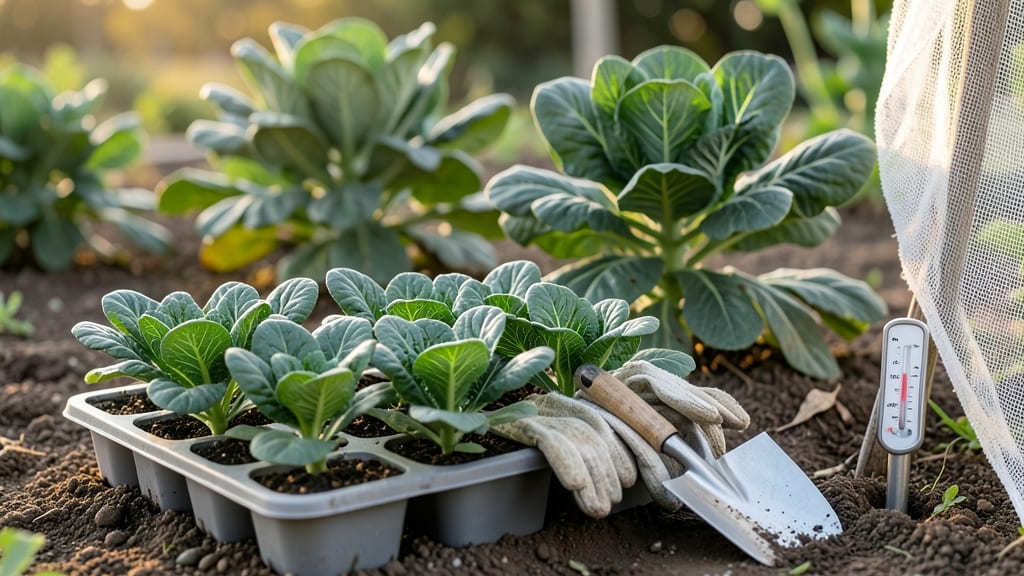
If you’ve ever wondered when do you plant collards in South Carolina to avoid bitter disappointment, the answer starts with timing.
Planting these hardy greens at the wrong moment—whether in spring or fall—can turn your garden dreams into a bitter disappointment, especially in USDA Zone 8a where heat and humidity play tricks on cool-season crops.
Here’s the secret: South Carolina’s frost-free window for collards is narrow but precise, and getting it right means the difference between a bumper harvest and a sad, stunted plant.
I’ll break down the exact months to plant for both spring and fall, plus how to work with your local microclimate—whether you’re in Charleston’s coastal warmth or the Piedmont’s cooler pockets.
Let’s start with the golden rule: plant collards 4-6 weeks before your last frost date (typically late February to early March for spring) or after the first frost in fall (August to early September).
But there’s more to it than dates—soil prep, variety choices, and even mulching strategies can extend your harvest well into winter.
Ready to turn your garden into a collard powerhouse? You’ll learn how to avoid common mistakes, pick the best varieties for SC’s heat, and keep your greens thriving even when temperatures dip. Let’s get growing!
Collard planting calendar for South Carolina zones 7b-8a: exact dates by month
South Carolina’s USDA Zones 7b-8a offer a 215-day frost-free window, perfect for growing collards in both spring and fall.
The key is planting 4-6 weeks before your last frost date (around March 15) or after the first frost in fall (around November 15) to avoid bolting or frost damage. Let’s break down the exact months and risks for each season.
For spring plantings, aim for late February to early March in Zone 7b (cooler areas like Greenville) or early March in Zone 8a (warmer areas like Charleston).
This timing ensures your collards mature before summer heat triggers bolting. In fall, plant between August and early September to harvest before frost hits in November.
Missed the ideal window? Don’t worry—succession planting in April or July can still yield a smaller harvest, but expect shorter harvest windows due to heat stress. The trade-off? Fewer pests like cabbage worms compared to early spring plantings.
Here’s a quick comparison of spring vs. fall planting risks to help you decide which season suits your schedule:
| Factor | Spring Planting (Feb-Mar) | Fall Planting (Aug-Sep) |
|---|---|---|
| Harvest Window | May–June | October–November |
| Major Risks | Pests (cabbage worms), bolting | Frost damage, stunted growth |
| Best Varieties | ‘Georgia Southern’ (heat-tolerant) | ‘Vates’ (cold-hardy) |
| Soil Prep Tip | Add compost for nitrogen | Mulch to retain warmth |
| Pro Tip | Use row covers to deter pests | Plant near sunflowers to repel pests |
In Zone 8a (e.g., Charleston), you can push fall plantings slightly later into early September thanks to warmer microclimates. However, avoid planting after mid-September, or your collards may not mature before frost. For Zone 7b, stick to August plantings to avoid early frosts.
Pro tip: Use a planting calendar to track your local last frost date. In Charleston, the average last frost is March 15, while in Greenville (Zone 7b), it’s March 22. Adjust your timeline accordingly to avoid heat stress or frost damage.
For continuous harvests, try succession planting every 2-3 weeks in spring or fall. This method ensures you always have mature leaves ready for harvest, even if the weather shifts unexpectedly. Start with 4-6 plants to test your soil’s fertility before scaling up.
Remember: Collards thrive in cool weather but can handle light frosts (down to 20°F). If a hard freeze (15°F) is forecasted, cover plants with row fabric or straw mulch to protect them. This simple step can extend your harvest into December in milder Zone 8a areas.
Now that you’ve got the timing down, your next step is choosing the right varieties for South Carolina’s climate. Stay tuned for our next section on heat-tolerant vs. cold-hardy collards—and which one will give you the biggest harvest in your zone!
Collard planting calendar for South Carolina zones 7b-8a: exact dates by month
Timing your collard planting in South Carolina hinges on two critical windows: spring (when days warm but frost lingers) and fall (when heat fades but humidity remains). For Zone 7b, aim for late February to early March in spring and August to early September in fall.
Zone 8a gardeners can push spring plantings slightly later—early March—thanks to milder winters.
Miss these windows, and you risk bolting (premature flowering) from spring heat or frost damage in late fall. Charleston’s coastal microclimate may extend your fall window by 2-3 weeks compared to inland areas like Columbia, where nights cool faster.
Always check your local last frost date (typically March 15) and first frost date (November 15) for precision.
📅 Planting Calendar for SC Collards
| Season | Planting Window | Key Risks | Pro Tip |
|---|---|---|---|
| Spring |
Late February - Early March (Zone 7b: Feb 20 - Mar 5; Zone 8a: Mar 1 - Mar 15) |
Bolting if planted too early Fungal diseases in soggy soil |
Use heat-tolerant varieties like 'Top Bunch' and mulch to retain moisture. |
| Fall |
August - Early September (Zone 7b: Aug 15 - Sep 5; Zone 8a: Aug 1 - Sep 10) |
Frost damage if planted too late Pests (cabbage worms) in warm soil |
Plant 4-6 weeks before first frost and use row covers for late harvests. |
For spring plantings, start seeds indoors 6-8 weeks before your target date to give seedlings a head start. In fall, direct-sow is best—transplants struggle with SC’s humidity.
If you’re in Zone 8a, consider a second fall planting in late September for a winter harvest, but protect with mulch or lightweight row covers when temps dip below 25°F.
Pro tip: Succession plant every 2 weeks in spring and 3 weeks in fall to ensure a steady supply. This works especially well in raised beds, where soil warms faster in spring and drains better in fall.
Avoid planting in July or early August—the heat will send your collards bolting faster than you can say "Popeye’s spinach."
Remember, soil temperature matters just as much as air temperature. Collards thrive when soil is between 50°F and 75°F. Use a soil thermometer to confirm—cool soil in spring or warm soil in fall can stall growth.
If your soil runs hotter than 80°F, shade young plants with floating row covers until temps drop.
Now that you’ve got the dates nailed down, your next move is choosing the right varieties for SC’s climate. Heat-tolerant types like 'Georgia Southern' handle Zone 8a’s summer better, while cold-hardy 'Vates' keeps producing even when temps flirt with 20°F.
Stay tuned for my next section on top collard picks for SC—and how to keep them thriving through our wild weather swings!