
Plants
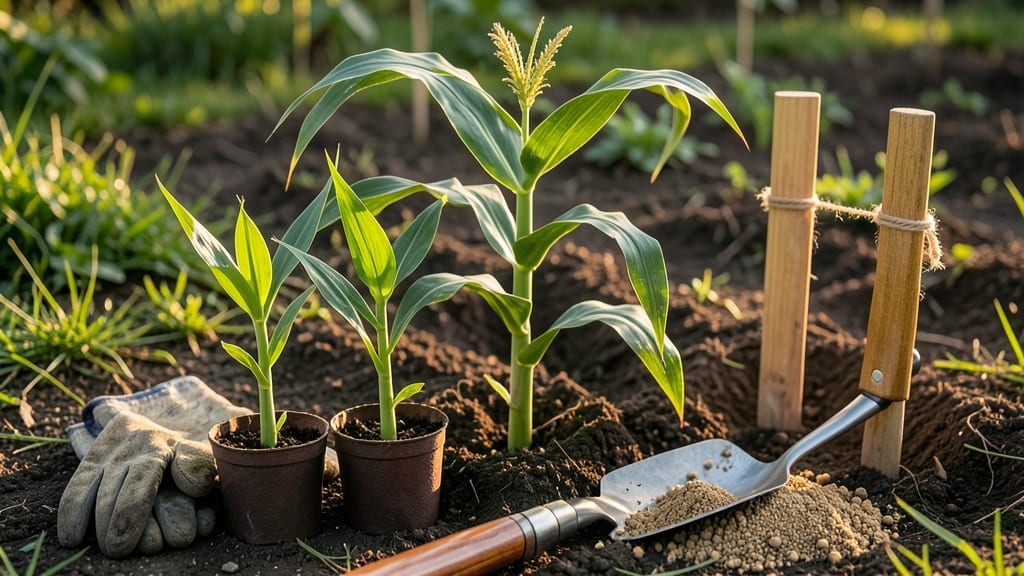
Timing your corn planting in Alabama isn't just about the calendar—it's about avoiding bolting and maximizing yields in a state where microclimates can shift dramatically between the Gulf Coast and the Appalachian foothills.
Most gardeners in USDA Zones 7b-8b know corn thrives in Alabama's warm springs, but the exact window varies by region. Plant too early, and you risk frost damage; too late, and your 🌽 may bolt before producing sweet ears.
The ideal planting window runs from mid-April to early June, but that's just the starting point.
What you'll discover here are the precise soil temperature triggers (50°F+ for 7+ days) that signal it's safe to sow, plus how to adjust for North Alabama's cooler nights versus the South's humidity. We'll also cover succession planting strategies to stretch your harvest from late July through October.
Whether you're growing sweet corn for the table or field corn for livestock, getting the timing right means the difference between a bountiful harvest and wasted seeds. Let's break down the science—and the secrets—of planting corn in Alabama's diverse climate.
Alabama corn planting zones: exact dates by microclimate (Gulf Coast vs. North Alabama)
Alabama’s corn planting success hinges on microclimate awareness. The Gulf Coast’s warmer springs (like Mobile) allow earlier planting, while North Alabama’s cooler Appalachian valleys (like Huntsville) demand later starts. Ignoring these differences risks bolting or stunted growth. Let’s break down the ideal planting windows for your region.
First, check your last average frost date: March 15 in South Alabama vs. April 1 in North Alabama. Corn needs soil temperatures above 50°F for 7+ days—use a soil thermometer to confirm.
Planting too early when nights dip below 55°F stresses seedlings, while waiting too long risks shorter daylight hours that trigger premature flowering.
Here’s how to align your planting with Alabama’s three key zones—each with its own frost patterns and heat tolerance needs:
For sweet corn varieties like ‘Silver Queen’ or ‘Peaches and Cream’, prioritize April 1–May 15 planting. These varieties mature in 70–90 days, so later plantings risk harvests clashing with Alabama’s summer heat (above 90°F can reduce ear quality).
Field corn, like ‘Pioneer 39A62’, can handle March 15–April 30 windows due to its drought tolerance.
Pro tip: Use black plastic mulch in North Alabama to warm soils 5–10°F faster. In South Alabama, opt for shade cloth (30%) during peak summer to prevent bolting from heat stress. Always plant 1 inch deep and 4–6 inches apart for optimal air circulation.
Alabama’s first frost typically arrives in mid-November, but don’t let that fool you—corn planted after June 1 in any region risks immature harvests. Succession planting every 2 weeks ensures a steady supply through October, when temperatures drop to 70°F at night.
Monitor your local Alabama Cooperative Extension Service alerts for late frost warnings. In 2023, Huntsville saw a March 28 frost that wiped out early plantings—don’t be that gardener. Use row covers if frost threatens after germination.
Remember: Soil temperature matters more than air temperature. A 60°F soil with 70°F air is ideal. Test with a soil thermometer at 4-inch depth before planting. If your soil runs cooler than 50°F, wait or use warm-season cover crops like buckwheat to prep the bed.
For container growing in urban Alabama (e.g., Birmingham), stick to dwarf varieties like ‘Bodacious’ and plant in May to avoid heat stress. Large pots (18+ inches deep) with well-draining mix mimic garden conditions.
🌽
How to adjust corn planting dates for Alabama’s unpredictable weather patterns
Alabama’s weather can be as unpredictable as a summer thunderstorm—one day it’s 60°F and sunny, the next it’s a 40°F frost warning. To protect your corn crop, you’ll need a flexible planting strategy that accounts for late frosts, heatwaves, and drought risks.
The key is monitoring soil temperature and weather forecasts rather than relying solely on a calendar.
Start by using a soil thermometer to confirm the ground has warmed to at least 50°F for 7+ consecutive days. This is your green light to plant, regardless of the date. In North Alabama, where nights stay cooler, wait until late April or even early May.
Meanwhile, Gulf Coast gardeners can often plant as early as mid-April, but always check the 10-day forecast for frost risks.
Here’s how to handle Alabama’s most common weather curveballs: late frosts, sudden heatwaves, and drought. Each requires a different adjustment to your planting schedule to keep your corn thriving.
Use row covers or black plastic mulch to warm soil faster. Plant field corn (hardier than sweet corn) first, followed by sweet corn varieties like 'Silver Queen' 2 weeks later.
If temperatures surge above 90°F, use shade cloth (30-50%) to protect young plants. Shift planting to late May for a fall harvest if early plantings struggle.
Plant drought-tolerant varieties like 'Peaches & Cream' and mulch heavily. Water deeply every 2-3 days during dry spells to prevent tassel blasting.
Have a second planting ready for June if early attempts fail. Use fast-maturing varieties (60-70 days) like 'Ambrosia' for a late-summer harvest.
For extra peace of mind, set up a weather station or use a free app like Alabama A&M’s AgriWeather to track soil temps and frost alerts. I’ve planted corn in both North Alabama’s cooler valleys and the Gulf Coast’s humid heat—trust me, these adjustments save harvests.
If you’re still unsure, start with a small test plot in late April. This gives you time to assess soil conditions and adjust your full planting schedule without risking your entire crop. Remember, corn is forgiving if you act quickly—just don’t wait until the last minute to adapt!
Pro tip: Keep a planting journal to track what works in your microclimate. Note the exact dates you plant, soil temps, and any weather surprises. Over time, you’ll spot patterns and refine your timing for maximum yields every year. 🌽