
Plants
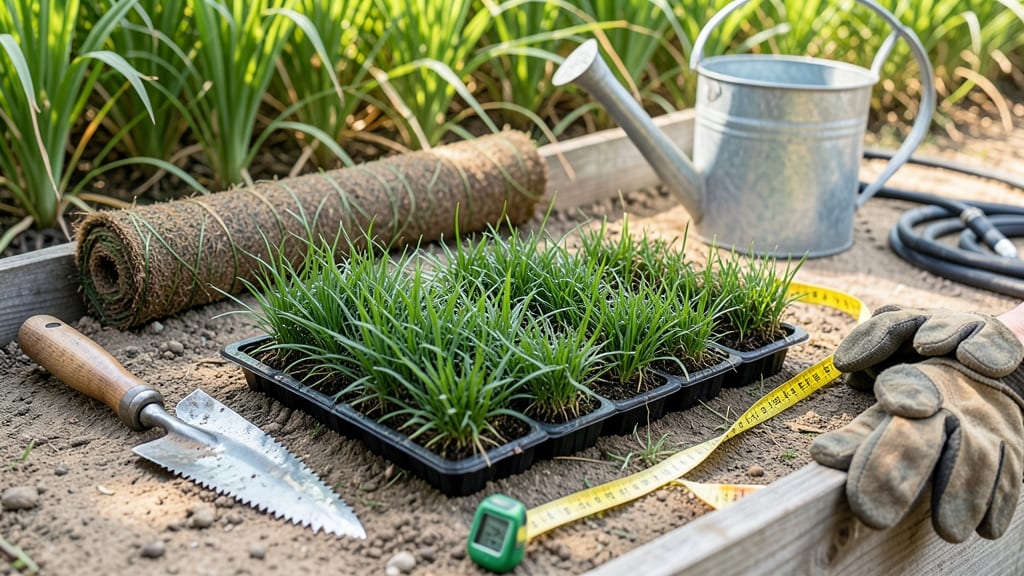
If you’ve ever struggled to get your California lawn looking lush and green, timing is everything—especially when it comes to planting Bermuda Grass 🌱. This drought-resistant grass thrives in the Golden State, but planting it at the wrong time can mean battling poor growth for years.
The key? Understanding your microclimate—whether you’re in coastal Zone 10a, inland 9a-10b, or desert 9b-10a—and choosing the perfect window for success.
Most gardeners assume spring is the only time to plant, but early fall can actually be even better for Bermuda Grass in many regions. Why? Because cooler temperatures help roots establish before summer’s brutal heat sets in.
I’ll break down exactly when to plant—whether you’re using seed or sod—and how to adjust your schedule based on where you live in California.
Let’s dive into the optimal planting windows for your elevation zone, plus soil prep tips to ensure your Bermuda Grass takes root like a pro. No more guesswork—just a thriving lawn that stands up to California’s unique climate challenges.
Ready to transform your yard? Here’s what you need to know to time it just right.
Optimal planting windows for Bermuda Grass by California elevation zones
California’s diverse climate means your Bermuda Grass planting window can vary dramatically depending on where you live. Whether you’re in coastal San Diego (Zone 10a), inland Sacramento (Zone 9b), or desert Palm Springs (Zone 9b-10a), timing is everything.
The key is planting when soil temperatures stay above 65°F—this ensures strong root establishment before summer’s heat or winter’s chill sets in.
Most gardeners focus on spring planting, but early fall is often the best time in California. Why? Because cooler temperatures reduce stress on new grass while still allowing roots to grow before winter dormancy. Let’s break down the perfect planting windows for your specific elevation zone to maximize success.
🌱
| Elevation Zone | Best Planting Window | Soil Temp Threshold | Microclimate Notes |
|---|---|---|---|
| Coastal (Zone 10a) | Late February - Early April (spring) OR Late August - Early October (fall) | 65°F+ (avoid foggy periods) | Cooler temps extend spring window; watch for coastal fog delays. |
| Inland (Zone 9a-10b) | Mid-March - Mid-May (spring) OR Early September - Mid-October (fall) | 70°F+ (warmer soils needed) | Hotter summers; plant early to avoid heat stress. |
| Desert (Zone 9b-10a) | Late March - Early May (spring) OR Late August - Early September (fall) | 75°F+ (extreme heat tolerance) | Short fall window; prioritize spring planting. |
| High Elevation (Zone 8a-9a) | Mid-April - June (spring only) | 60°F+ (cooler climate) | No fall planting; summer dormancy is inevitable. |
For Southern California, where mild winters dominate, you have the luxury of two planting seasons. In Los Angeles (Zone 10a), I’ve seen success with late February plantings because the soil warms quickly.
But if you’re in San Francisco’s coastal fog belt (Zone 10a), wait until March—fog delays soil warming.
Inland areas like Fresno (Zone 9b) or Bakersfield (Zone 9a) demand earlier action. Plant by mid-March to avoid the brutal summer heat that can stress young grass. Pro tip: Use a soil thermometer to confirm temps are above 65°F before seeding or sodding.
If you’re in the desert regions like Palm Springs (Zone 9b-10a), your window is narrow. Spring is your best bet—plant by early May to avoid the intense heat that can kill new grass. Fall planting is risky here because the heat lingers longer.
High-elevation areas like the Sierra foothills (Zone 8a-9a) are a different story. These zones have cooler climates and shorter growing seasons. Plant only in spring (April-June), as fall is too short for proper establishment.
Expect summer dormancy—Bermuda Grass will go brown but will green up again when temps drop.
One common mistake? Assuming sod vs. seed have the same planting window. Sod can handle slightly cooler temps (as low as 55°F), while seed needs warmer soil (65°F+) to germinate.
If you’re seeding, wait until soil temps are consistently above that threshold—even if it means delaying by a week or two.
💧
How to prepare your California soil for Bermuda Grass success
Bermuda Grass thrives in well-draining, slightly acidic soil with a pH between 6.0 and 7.0. But California’s native soils—especially the heavy clay-heavy soils in inland areas—often need adjustments before planting. Start by testing your soil’s pH and composition at least 4-6 weeks before planting.
You can use a simple home test kit or send a sample to your local UCCE Cooperative Extension office for professional analysis.
If your soil is too alkaline (common in many California regions), aim to lower the pH to 6.5 or below using elemental sulfur or peat moss. For clay-heavy soils, incorporate organic matter like compost or aged manure to improve drainage and aeration.
Coastal areas with sandy soils may need extra organic material to retain moisture without becoming waterlogged.
🌱
Remove weeds, rocks, and debris. Use a broadfork or tiller to loosen the top 6-8 inches of soil. Avoid compacting the soil further.
Mix in 2-3 inches of compost or aged manure. For clay soils, add sand (50% sand, 50% soil) to improve drainage.
Rake the soil smooth to create a level surface. Bermuda Grass grows best on even ground to prevent water pooling.
Apply a low-nitrogen, high-phosphorus fertilizer (e.g., 10-20-10) to encourage root development. Follow label rates for your soil type.
Soak the soil to a depth of 6 inches the day before planting. This helps seeds or sod establish faster.
For coastal California (e.g., San Diego, Santa Barbara), focus on improving moisture retention with peat moss or coconut coir, while inland areas (e.g., Sacramento, Fresno) should prioritize breaking up clay with gypsum or sand. If your soil is too sandy, add compost to help retain nutrients and water.
One mistake I’ve seen gardeners make is over-amending with fresh manure, which can burn young Bermuda Grass roots. Always use aged or composted organic matter. After preparing your soil, keep it consistently moist (but not soggy) until the grass is fully established—usually 4-6 weeks after planting.
🌿