
Plants
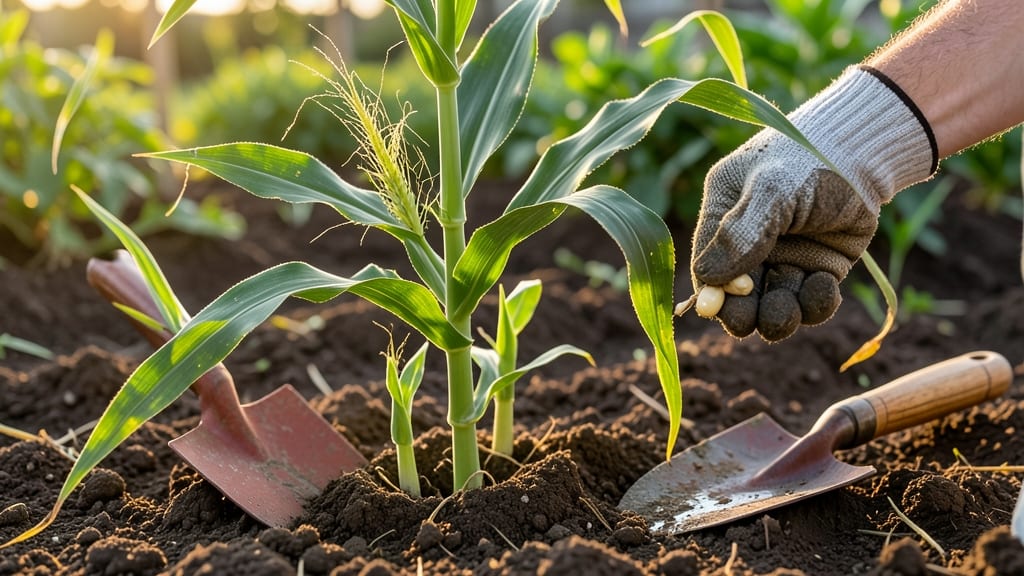
Timing your 🌽 corn planting in Indiana right can mean the difference between a thriving crop and wasted effort. Indiana’s 6a climate demands precision—plant too early, and chilly soils slow germination; too late, and you miss peak growing days.
The ideal window, mid-April to late May, balances soil warmth and frost risk, but local microclimates (like northern vs. southern Indiana) tweak those dates.
Most gardeners wait for soil to hit 60°F+—the magic number for fast, even sprouting. But how do you know when that’s happening? I’ll show you how to test soil temperature and adjust planting based on your yard’s specific conditions, so you’re not guessing.
Even a 5°F difference can delay germination by days.
Beyond dates, I’ll cover pro tips to speed up growth in Indiana’s cool springs, like mulching and seed treatments. These tricks help corn outpace unpredictable weather, ensuring strong starts even if Mother Nature doesn’t cooperate. Let’s dive into the exact steps to plant corn for a bumper harvest.
Whether you’re a first-time gardener or a seasoned grower, these insights will help you avoid common mistakes and maximize your corn’s potential. Ready to turn your Indiana garden into a cornfield? Let’s get started.
Optimal soil temperature for planting corn in Indiana (with exact degrees)
Corn seeds need consistent warmth to germinate, and Indiana’s cool springs can delay growth if planted too early. The magic number for fast germination is 50°F soil temperature, but growth accelerates dramatically once it hits 60°F or higher.
In my garden, I’ve seen seeds sprout in 5–7 days at 60°F, compared to 2+ weeks at 50°F.
Northern Indiana’s USDA Zone 5b often lags behind southern Indiana’s Zone 6a by 1–2 weeks in warming. This delay means northern growers should wait until late April to early May, while southern gardens can start as early as mid-April.
Always check soil temperature, not air temperature—it’s the real indicator of readiness.
To test soil temperature, use a soil thermometer (inserted 2 inches deep) in the morning. If it reads below 50°F, wait another 7–10 days—corn seeds won’t germinate reliably in cooler soil.
I’ve learned this the hard way after planting too early and watching seeds rot in damp, cold earth.
Pro Tip: If your soil is 45–49°F, consider using a seed warming mat or planting in black plastic mulch to raise temperatures by 5–10°F. This trick has helped me shave 10 days off my growing season in chilly years.
| Soil Temp Range | Germination Speed | Indiana Region | Action Needed |
|---|---|---|---|
| Below 50°F | Slow/No Germination | North Indiana (Zone 5b) | Wait 1–2 weeks |
| 50–59°F | 5–14 Days | South Indiana (Zone 6a) | Plant with warming mat |
| 60–65°F | 3–7 Days | Both Regions | Ideal planting time |
| Above 65°F | 2–5 Days | Late Planting | Risk of drought stress |
Corn roots are sensitive to cold, so planting in chilly soil can stunt growth or invite soil-borne diseases. I once planted sweet corn in early April when the soil was 48°F, and only 30% of seeds sprouted.
The rest either rotted or produced weak, leggy plants that never matured properly.
For fastest growth, aim for 60–65°F soil. This range ensures rapid root development and strong stalks. In my Zone 6a garden, I monitor soil temps nightly using a digital thermometer and adjust planting dates accordingly.
If temps drop unexpectedly, I cover seeds with row fabric until the ground warms.
Another trick I’ve used is planting in raised beds, which warm up 2–3 weeks earlier than in-ground soil. This gives me a longer planting window and reduces the risk of late spring frosts damaging young seedlings. Just ensure the bed has good drainage—corn hates soggy roots.
If you’re in northern Indiana and worried about late frosts, opt for early-maturing varieties like ‘Silver Queen’ (65 days) or ‘Peaches and Cream’ (75 days). These varieties can still produce full-sized ears even when planted in early May, giving you a second harvest before frost.
Indiana’s best corn planting dates by microclimate (north vs. south regions)
Indiana’s diverse climate means northern and southern regions have different planting windows for corn. The last frost date varies by 1-2 weeks, so timing matters for strong germination. Southern Indiana (USDA Zone 6b) warms faster than northern areas (Zone 5b), creating a 10-day window difference in ideal planting.
For southern Indiana, aim to plant between April 10–May 5. This aligns with Purdue Extension data showing soil temperatures hit 60°F+ by mid-April in this region. In contrast, northern Indiana gardeners should wait until April 20–May 10 to avoid frost damage.
Here’s how to adjust for your specific microclimate:
Check local frost forecasts from the National Weather Service or Purdue Extension for real-time adjustments. A late frost in May can still threaten young corn plants, so avoid planting too early—even if soil is warm.
For early planting (before May 1), use black plastic mulch to warm soil faster. This is especially helpful in northern Indiana, where cooler springs delay planting. Monitor soil temps with a soil thermometer to confirm readiness.
Pro tip: If you miss the spring window, late June is your second chance for short-season varieties like ‘Silver Queen’ or ‘Ambrosia’. These mature in 75–90 days, perfect for Indiana’s short growing season.
🌽