
Plants
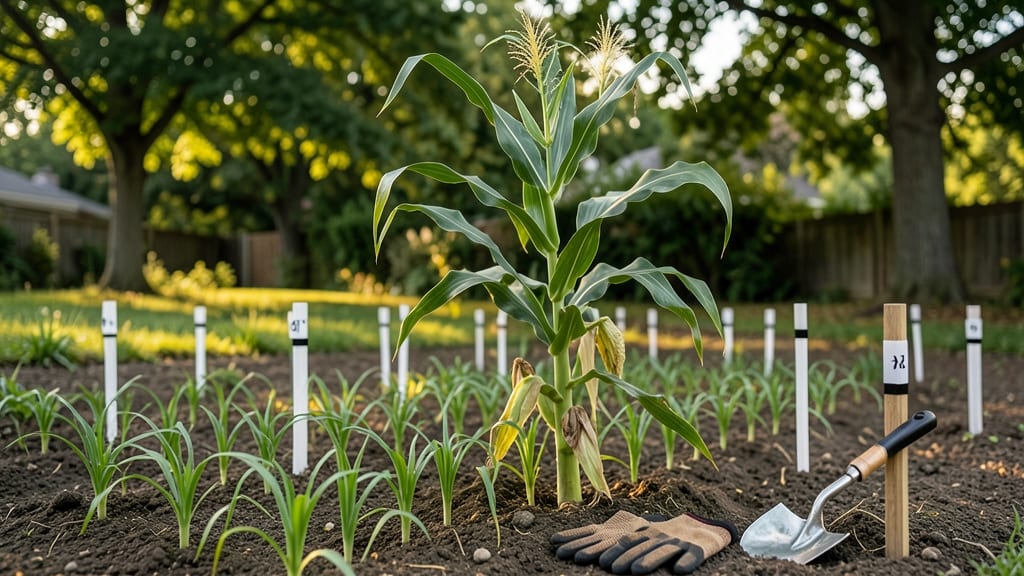
Timing your 🌽 corn planting in Zone 7a isn’t just about following a calendar—it’s about reading your microclimate like a pro. Plant too early, and frost will nip those tender seedlings in the bud. Too late, and your harvest might shrink before you even get to taste those sweet kernels.
Most gardeners in Zone 7a wait until soil temperatures hit 50°F+, typically between mid-April and early June after the last frost. But here’s the catch: your backyard might have its own rules.
Urban heat islands can push planting dates earlier, while high-altitude spots might need you to hold off until late May.
In this guide, I’ll break down the exact windows for planting corn in Zone 7a, including how to adjust for your specific microclimate. You’ll learn which varieties thrive fastest, how to protect young plants from late frosts, and even how to stretch your harvest season for those late-summer ears.
Whether you’re a first-time gardener or a seasoned pro, these insights will help you maximize your yield and avoid the most common mistakes. Let’s get those seeds in the ground at the perfect time!

Optimal corn planting dates in Zone 7A based on soil temperature
In Zone 7A, timing your corn planting correctly ensures healthy growth and a successful harvest. The last average frost date typically falls around April 15, but soil temperature is the real game-changer.
Corn seeds need soil that’s at least 50°F (10°C) to sprout reliably, and roots thrive at 60°F (15°C) or warmer.
Planting too early risks cold soil and slow germination, while waiting too long shortens the growing season. Most Zone 7A gardeners aim for a 60- to 90-day variety to fit within the 180 frost-free days typical in this zone. Let’s break down the best windows based on your microclimate.
| Planting Window | Soil Temp Requirement | Last Frost Date | Best Variety Type |
|---|---|---|---|
| Mid-April to early May | 50°F+ (10°C+) | April 15 (average) | Early-maturing (60-75 days) |
| Late May to early June | 60°F+ (15°C+) | May 15 (safe) | Mid-season (75-90 days) |
| Early June (for late varieties) | 65°F+ (18°C+) | June 1 (extended season) | Sweet corn (90+ days) |
*Adjust dates 1-2 weeks earlier for lowland areas or later for high-altitude microclimates.
For lowland areas with warmer microclimates, you can push planting back to early June for late-season varieties, but ensure they mature before the first frost around October 15. In high-altitude spots, like mountainous regions, plant 2 weeks earlier to account for cooler soil.
Use a soil thermometer to confirm readiness—corn seeds won’t germinate well in cold soil. If your soil is still chilly, consider black plastic mulch to warm it faster. This is especially helpful for early April plantings in cooler pockets of Zone 7A.
Another tip: Plant in blocks (not rows) to improve pollination. This is crucial for corn, as wind-pollinated varieties need dense plantings for full ear development. Space seeds 4-6 inches apart and thin to 12 inches between plants once they’re 6 inches tall.
If you’re unsure about your local frost dates, check the USDA Plant Hardiness Zone Map or use a frost calendar from your local Cooperative Extension Service. These resources provide hyper-local adjustments that can make or break your corn crop.
For urban gardeners, container-grown corn is an option, but it requires larger pots (at least 12 inches deep) and consistent watering. Start seeds indoors 2-3 weeks before your target outdoor planting date to give them a head start in cooler microclimates.
Finally, keep an eye on weather forecasts in late spring. A sudden cold snap can delay planting, so have a backup plan—like row covers or a greenhouse—to protect young seedlings if frost threatens.
Microclimate-specific adjustments for faster or slower corn growth
Your Zone 7A garden might feel like a different climate just a few blocks away. Urban heat islands can push soil temperatures up 5–10°F warmer than rural areas, while high-altitude spots may stay cooler for weeks longer.
These microclimate differences mean your corn planting dates could shift by 2–4 weeks, depending on where you live within the zone.
For example, if you’re in a sheltered valley, frost lingers later, so hold off until late May. But in a paved city lot, soil warms faster—you might plant as early as mid-April.
Always check your local soil temperature with a probe (aim for 50°F+) before committing to a date.
🌿 Pro Tip: Use black plastic mulch or row covers to warm soil faster in cooler microclimates. This can shave off 10–14 days from your planting timeline.
⚠️ Watch for Late Frosts
Even in Zone 7A, late spring frosts (after April 15) can devastate young corn. If your area has a history of unpredictable frosts, opt for fast-maturing varieties (under 80 days) or use frost cloth for the first 2–3 weeks after planting.
Wind exposure also plays a role. If your garden is on a windy ridge, young corn stalks can lean or snap under gusts. Plant near a windbreak (like a fence or shrubs) or choose dwarf varieties (6–8 ft tall) for better stability.
Companion planting can help too. Pairing corn with beans or peas adds nitrogen to the soil, while marigolds deter pests. This not only boosts growth but can also extend your harvest window by 1–2 weeks in marginal microclimates.
Finally, if your summer heat hits 90°F+ early, consider succession planting every 2 weeks from May through June. This ensures a staggered harvest and avoids bolting (when corn flowers prematurely in heat).
By tweaking your approach based on your microclimate, you’ll maximize your corn’s potential—whether you’re battling urban heat or high-altitude chill. 🌽