
Plants
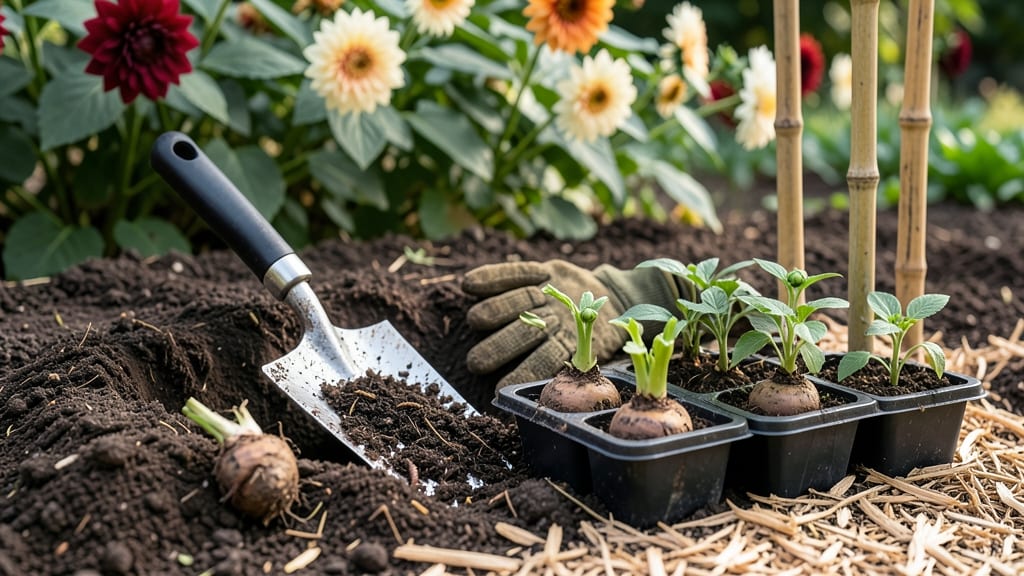
Planting dahlias in New Zealand at the wrong time can turn your dream garden into a sad, wilted mess—but timing these 🌼 beauties just right means months of bold, show-stopping blooms.
The secret? Understanding your region’s frost dates and microclimates, because what works for Auckland’s warm springs might fry tubers in Canterbury’s cooler zones.
If you’ve ever wondered why your dahlias struggle to thrive despite your best efforts, the answer likely lies in when you planted them. New Zealand’s varied climate means your ideal window could be September in Northland but closer to November in the South Island.
Let’s break down the exact timing and prep work to give your dahlias the head start they deserve.
From chitting tubers indoors to protecting young shoots from late frosts, I’ll walk you through every step—plus the common mistakes that even experienced NZ gardeners make.
Whether you’re a first-time planter or looking to boost your flower beds, this guide will help you avoid the pitfalls and enjoy a season of vibrant blooms.
Ready to transform your garden? Let’s dive into the region-specific planting schedule that’ll have your dahlias thriving from spring to autumn.
Best planting dates for dahlias in NZ by region (frost-free guides)
New Zealand’s diverse climate means dahlia planting dates vary dramatically from Northland’s subtropical warmth to Southland’s chilly springs. Timing your tubers right ensures they sprout after the last frost but before summer heat stress.
In most regions, September to early November is ideal—but your exact window depends on where you live.
I’ve broken down the frost-free planting windows by region, including soil temperature thresholds (aim for 10°C+) and last-frost-date averages. Use these as a guide, but always check your local MetService forecasts for the most accurate timing.
For example, gardeners in Auckland can plant as early as late August, while those in Canterbury should wait until mid-October to avoid frost damage. Even within cities, microclimates matter—coastal areas warm faster than inland spots.
Pro tip: If you’re in a cooler microclimate (like inland Canterbury), start tubers indoors in late July to give them a head start. Use a seedling tray with cactus mix and keep them near a sunny window until soil warms.
For container gardening, plant tubers slightly later (by 1-2 weeks) since pots warm up faster than in-ground soil. Just ensure your containers have drainage holes to prevent waterlogged roots—NZ’s damp springs can turn deadly quickly.
Watch for local weather patterns too. If your area had an unusually cold August (like in 2021), delay planting by 2-3 weeks to avoid frost damage. I once lost a batch of ‘Café au Lait’ dahlias in Wellington because I planted too early—don’t make that mistake!
Once your tubers are in the ground, mulch heavily (with straw or bark) to keep roots cool during North Island heatwaves or warm them gently in South Island gardens. This simple step can mean the difference between lush blooms and wilted stems.
Remember: Dahlias are frost-sensitive, but they also hate baking in summer
How to prep dahlia tubers for NZ’s unpredictable spring weather
New Zealand’s spring weather can be as unpredictable as a wild kiwi—one day sunny, the next a chilly frost. To give your dahlia tubers the best start, I’ve learned to prep them indoors 6-8 weeks before the last frost date.
This head start means your plants will be hardy and ready to handle whatever Mother Nature throws their way.
Start by inspecting your dahlia tubers for any soft spots or mold. Discard any that look squishy or discolored, as these won’t survive planting. Healthy tubers should feel firm and plump, with visible eyes (growth points).
Store them in a cool, dark place (like a garage or shed) until you’re ready to chit them indoors.
Step-by-Step Dahlia Tuber Prep for NZ Gardens
- Chit Tubers Indoors: Place tubers in a shallow tray with the eyes facing up. Keep them in a warm, bright spot (like a sunny windowsill) for 6-8 weeks. You’ll see tiny green shoots emerge—this means they’re ready to plant!
- Hardening Off: Once shoots are 2-3 cm tall, move tubers outdoors during the day (protected from wind) and bring them back inside at night. Do this for 7-10 days to acclimate them to NZ’s cooler spring temps.
- Soil Prep: Amend your garden bed with compost or aged manure and ensure well-draining soil. Dahlias hate soggy roots, so raise beds if your soil is clay-heavy.
- Planting Time: Wait until soil temps reach 10°C+ (use a soil thermometer if unsure). Plant tubers 10-15 cm deep, with shoots facing upward.
- Protect from Frost: Use frost cloths or cloches if late frosts threaten. Even mild frosts can damage young shoots.
One common mistake I made early on was planting tubers too early in cool, damp soil. This led to rotten tubers and wasted months of effort. Always check soil temperature—if it’s below 10°C, wait a few more weeks. Patience here pays off with healthier, stronger plants.
For cooler regions like Canterbury or Southland, consider starting tubers indoors in August to give them extra time to establish roots before the first frost.
In warmer Northland, you can plant as early as late August, but still chit tubers indoors first to boost growth speed.
After planting, mulch around the base with straw or wood chips to retain moisture and regulate soil temperature. This is especially important in NZ’s variable spring weather, where hot days can dry out soil quickly. Water deeply but infrequently—dahlias prefer thirsty roots to soggy ones.
With these steps, your dahlias will thrive despite NZ’s unpredictable spring. Soon, you’ll be cutting armfuls of blooms for summer arrangements—worth every bit of prep! 🌼