
Plants
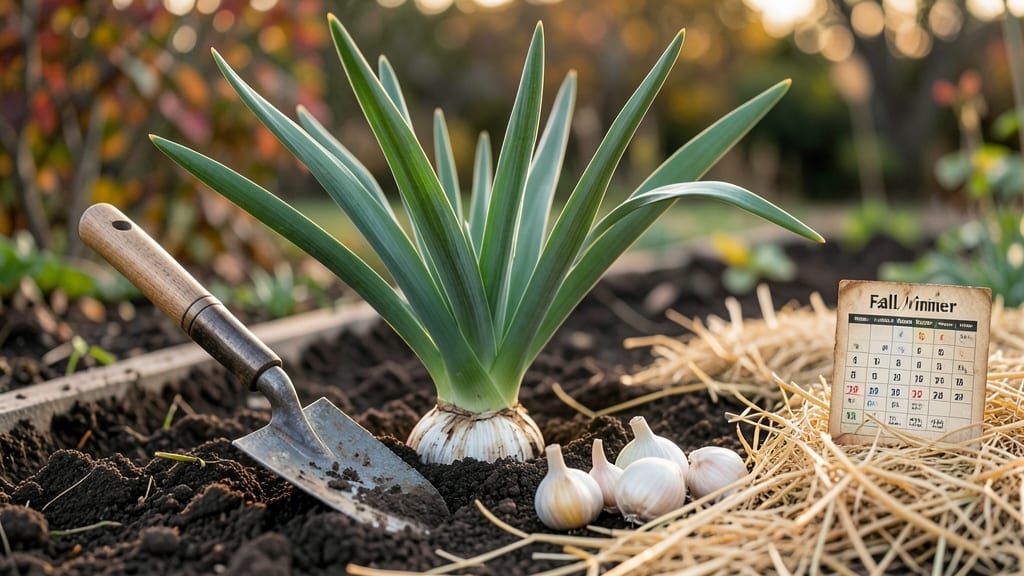
Planting garlic in New York at the wrong time can turn your 🧄 dreams into disappointment—because unlike most veggies, garlic needs winter’s chill to form those plump bulbs you crave.
Here’s the catch: New York’s USDA zones 5-7 demand precision. Plant too early, and your cloves might rot before winter sets in. Too late, and they’ll bolt prematurely, leaving you with puny harvests. Whether you’re growing hardneck varieties (great for braiding) or softneck (ideal for storage), timing is everything.
This guide cuts through the guesswork, giving you the exact fall planting window for your region, plus pro tips to adjust for early/late frosts. We’ll also debunk common mistakes—like planting store-bought garlic—that could ruin your crop before it even starts.
Ready to grow the best garlic New York has to offer? Let’s get your cloves in the ground at the perfect moment—so you’re harvesting flavor-packed bulbs by late June.
New York garlic planting calendar: exact months for hardneck vs softneck varieties
New York’s fall planting window for garlic is narrow but critical—aim for October to November when soil temps drop below 50°F (10°C). This timing ensures garlic undergoes vernalization (cold exposure) needed for bulb formation.
Hardneck varieties, like ‘German White’ or ‘Music’, demand an earlier start (late September–early October) to develop their prized scapes, while softnecks like ‘Silverskin’ can wait until mid-October.
For USDA Zones 5–7 across New York, your last frost date (mid-November) acts as a deadline. Plant 4–6 weeks before the ground freezes—so if frost hits November 15, aim for late September to early October.
This window balances cold exposure with protection from winter’s harshest freezes. Miss it, and you risk small bulbs or premature bolting.
Here’s the hardneck vs. softneck breakdown for New York:
| Garlic Type | Ideal Planting Window (NY) | Why This Timing Works | Key Risks of Planting Too Early/Late | Pro Tip for Zone Variations |
|---|---|---|---|---|
| Hardneck | Late September–early October | Needs 60+ days of cold to form bulbs and scapes. | Early: Rot; Late: Small bulbs, weak scapes. | Zone 5? Plant by October 1; Zone 7? Extend to October 15. |
| Softneck | Mid-October–early November | Tolerates shorter cold periods for storage-friendly bulbs. | Early: Bolting; Late: Stunted growth. | Use row covers to push Zone 7 planting to November 1. |
New York’s variable winters throw a wrench into planning. A mild winter (like 2020’s) can trick garlic into bolting early, while a harsh winter may damage emerging shoots. To adapt, use a soil thermometer—plant when temps hit 50°F (10°C) at 4-inch depth.
For Zone 5 gardeners, this often means starting by September 20, while Zone 7 can wait until October 15.
Pro tip: Hardneck varieties like ‘Purple Stripe’ thrive in New York’s shorter seasons, producing larger bulbs and edible scapes. Softnecks, such as ‘Artichoke’, store longer but need consistent moisture—critical in NY’s clay-heavy soils.
Always choose certified seed garlic from NY nurseries to avoid diseases like white rot, common in store-bought cloves.
If you’re in Western NY (Zone 5), prioritize early planting by late September to escape early frosts. Long Island (Zone 7) gardeners can push planting to mid-November with mulch protection. The key? Plant before the ground freezes, but give roots time to establish before winter’s worst hits.
For unpredictable years, like 2023’s early snow, use straw mulch (4–6 inches) to insulate planted cloves. This buys 2–3 extra weeks of planting flexibility. Just remove mulch in early spring to prevent rot.
Timing isn’t just about months—it’s about soil conditions. Test your soil’s drainage before planting: garlic hates soggy roots. Amend with compost to improve NY’s heavy clay, and avoid planting in areas where onions or garlic grew last year to prevent soil-borne diseases.
Remember: New York’s garlic harvest peaks in late June–July, but your planting window in fall sets the stage. Rush it, and you’ll end up with tiny, pungent cloves—or worse, no harvest at all. Patience pays off with bulbs the size of golf balls!
How to time your garlic planting for maximum bulb size in New York’s climate
New York’s unpredictable springs and chilly winters mean your garlic’s success hinges on more than just picking a month—it’s about reading the soil’s signals and adjusting for Mother Nature’s whims.
Unlike warmer climates, garlic in USDA zones 5-7 relies on cold stratification to form large bulbs, so timing isn’t just about the calendar—it’s about the soil temperature and moon phases too.
Most gardeners focus on planting between October and November, but even within that window, a few weeks can make or break your harvest.
For example, planting too close to the autumn equinox (around September 22nd) might give your garlic enough time to establish roots before winter, while planting too late (after November 15th) risks shallow root growth and smaller bulbs. The key? Balance root establishment with winter dormancy.
- Soil temp drops below 70°F: Use a soil thermometer—garlic roots thrive at 50-60°F.
- Frost is 4-6 weeks away: Check your local frost dates (NY averages mid-October first frost).
- Daylight shortens to 10 hours: Garlic needs less than 12 hours of light to bulb properly.
- Soil is workable but not soggy: Avoid planting in waterlogged clay (common in NY).
- Moon is in the waning crescent: Planting during this phase boosts root growth.
Speaking of moon phases, many experienced NY gardeners swear by planting garlic during the waning moon (the week before the new moon). This timing aligns with garlic’s root-heavy growth cycle—when the moon’s gravity pulls nutrients downward.
For example, if the autumn equinox falls on a waning moon, you’ve hit the perfect sweet spot for planting. Use a lunar calendar to plan ahead!
Another game-changer for New Yorkers is the 4-week rule: Plant your garlic 4 weeks before the first hard frost (typically mid-October). This gives roots enough time to establish before the ground freezes.
For instance, if your frost date is October 15th, aim to plant by September 20th. Pro tip: Use a row cover or cold frame to extend your planting window by 2-3 weeks if early frosts threaten.
What if winter was unusually mild or harsh? Adjust accordingly. In mild winters (like 2022-2023), garlic planted in early October might bolt prematurely—so delay until mid-November.
Conversely, in harsh winters, plant earlier (late September) to ensure roots harden before freezing. Always monitor soil temperature and weather forecasts to stay flexible.
Remember, the goal is large, flavorful bulbs, and that starts with precise timing. Whether you’re a hardneck enthusiast (for scapes) or a softneck grower (for storage), these strategies will help you beat New York’s climate challenges and harvest garlic that’ll make your neighbors jealous. 🧄