
Plants
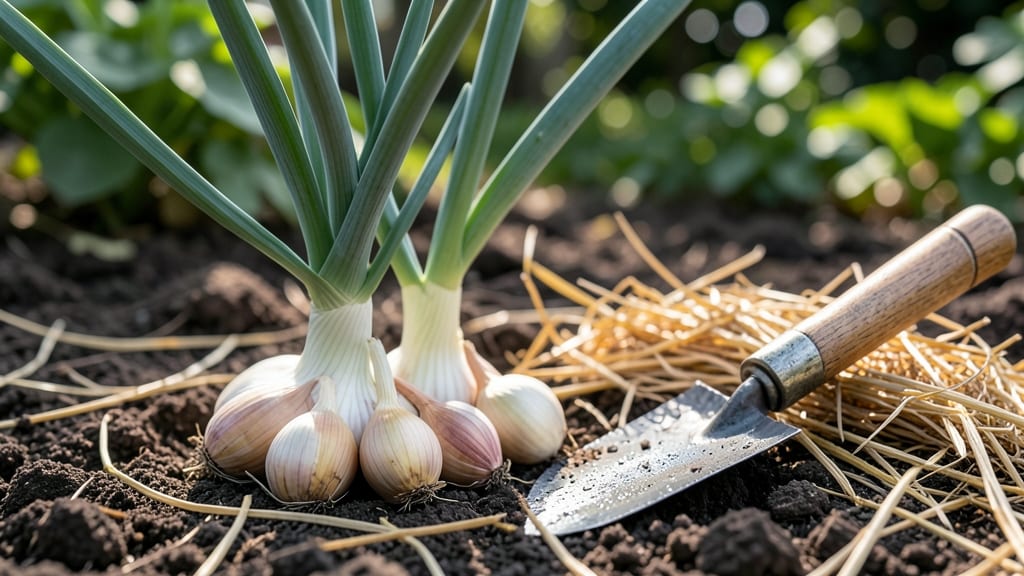
Timing your garlic planting in Western North Carolina isn’t just about following a calendar—it’s about outsmarting your region’s tricky climate to avoid bolting and grow plump bulbs.
With USDA zones 6b-7a and cooler mountain air, getting those cloves in the ground at the right moment makes all the difference between a thriving crop and wasted effort.
Most gardeners in this area know October to November is the sweet spot, but the real secret lies in the soil temperature and frost dates. Hardneck varieties—your best bet for this region—need cold exposure to form those prized bulbs, while softnecks prefer milder conditions.
Let’s break down exactly when to plant each type for zero bolting and maximum yield.
You might think planting early is always better, but in Western NC’s variable microclimates, elevation and local frost patterns can shift your ideal window by weeks.
Whether you’re in the mountains or the Piedmont, I’ll show you how to adjust your schedule to match your specific conditions—so your garlic grows strong, not stressed.
Ready to skip the guesswork? I’ll walk you through the exact steps to time your planting, from soil prep to variety selection, so you can harvest late June to early July with confidence. No more second-guessing—just garlic success tailored to your backyard.
Optimal planting windows for hardneck vs softneck garlic in Western NC
Western NC’s USDA Zones 6b-7a create unique challenges for garlic growers, where hardneck varieties thrive in colder mountain regions while softneck varieties may struggle with premature bolting in warmer Piedmont areas.
The key to success lies in planting during the 4-6 week window before the ground freezes, typically between mid-October and mid-November for most of the region.
For hardneck garlic—the preferred choice in Western NC—planting in October gives bulbs enough time to establish roots before winter dormancy. This variety requires cold vernalization (4-6 weeks below 40°F) to form proper bulbs, making it ideal for the region’s mountainous elevations where temperatures drop faster.
Softneck garlic, while less common in Western NC, can be planted slightly later—late October to early November—but risks bolting if exposed to unseasonable warmth during winter. Most gardeners in this region opt for hardneck varieties like 'Music' or 'German White', which handle the climate better and produce flavorful cloves and scapes.
| Variety | Best Planting Window | Key Climate Notes | Bolting Risk |
|---|---|---|---|
| Hardneck (e.g., 'Music', 'German White') | Mid-October to mid-November | Thrives in USDA 6b-7a; needs 40°F+ cold for 6+ weeks | Low (adapted to cold) |
| Softneck (e.g., 'Silverskin', 'Artichoke') | Late October to early November | Struggles in Piedmont heat; prefers milder winters | High (bolts in warmth) |
| Elephant Garlic (e.g., 'Inchelium Red') | Late September to early October | Grows larger bulbs but bolts faster in heat | Medium (needs quick cold) |
Western NC’s elevation differences play a critical role in timing. In the mountains (USDA 6b), like the Blue Ridge Parkway area, plant by October 15th to ensure bulbs vernalize properly.
In the Piedmont (USDA 7a), such as Greensboro or Winston-Salem, delay until November 1st to avoid early warmth triggering bolting.
Use soil temperature as your guide: aim for 50-60°F at planting depth (4-6 inches). A soil thermometer is worth the investment—planting too early in warm soil can cause cloves to sprout prematurely, leading to weak roots. If your soil stays above 60°F in October, wait until temperatures drop.
For reliable hardneck garlic, focus on local nurseries or seed catalogs specializing in cold-hardy varieties. Brands like Johnny’s Selected Seeds or Territorial Seed Company offer Western NC-adapted strains. If you’re experimenting with softneck, consider greenhouse starts or planting in shaded beds to delay heat exposure.
Pro tip: Plant individual cloves with the pointy end up, spaced 4-6 inches apart in rows 12 inches apart. This spacing prevents crowding, which can stress bulbs and increase disease risk. Add 2-3 inches of mulch (straw or leaves) after planting to insulate cloves through winter.
Remember, Western NC’s unpredictable winters can throw off timing. If unseasonable warmth hits in December, cover beds with row fabric to simulate colder conditions. The goal is to mimic a long, cold winter—even if Mother Nature doesn’t cooperate.
Finally, mark your planting date on a garden journal. Next year, adjust based on your harvest success or bolting incidents. Garlic thrives on consistency, and Western NC gardeners who master timing often reap larger, more flavorful bulbs year after year. 🧄
Optimal planting windows for hardneck vs softneck garlic in Western NC
Western NC’s USDA Zones 6b-7a create unique challenges for garlic growers. The key to zero bolting lies in planting hardneck varieties (like 'Music' or 'German White') 4-6 weeks before your first hard frost—typically mid-October to early November.
For softneck garlic (like 'Silverskin'), you’ve got a slightly wider window but still need to plant by late November to avoid early spring heat.
Hardneck garlic thrives in cold winters, needing 30-50 days below 40°F to form bulbs. Softneck varieties tolerate milder winters but still require 60-80 days of cool temperatures before bolting. In Western NC, this means planting hardnecks in October and softnecks in November for best results.
Miss this window, and you risk premature bolting—where your garlic flowers instead of forming bulbs.
| Variety | Best Planting Month | Cold Requirement | Bolt Risk Window | Harvest Window |
|---|---|---|---|---|
| Hardneck (e.g., 'Music') | October | 30-50 days below 40°F | April-May (if planted late) | Late June-Early July |
| Softneck (e.g., 'Silverskin') | Late October-November | 60-80 days below 50°F | March-April (if planted late) | Late June-July |
Elevation plays a huge role in Western NC. In the mountains (USDA Zone 6b), plant hardnecks by late September to ensure they get enough cold. In the Piedmont (Zone 7a), you can wait until mid-October.
Use a soil thermometer—plant when soil temps hit 50-60°F at 4 inches deep. This ensures roots establish before winter sets in.
For reliable hardneck success, aim for a first frost by December 1st. If you’re in a warmer microclimate (like near a lake), plant softnecks in November and protect them with straw mulch to extend the cold period. This mimics the natural chilling garlic needs to form bulbs.
Pro tip: Mark your calendar for March 1st—this is your last chance to adjust mulch if your garlic starts greening up too early. A thick layer of straw or leaves (4-6 inches) keeps soil temps cool and prevents bolting.
In Western NC’s variable springs, this can mean the difference between market-size bulbs and small cloves.
Remember, garlic planted in September is a gamble—it may bolt before winter sets in. Stick to the October-November window, and you’ll avoid the heartache of watching your garlic flower instead of forming bulbs. The earlier you plant hardnecks, the larger your bulbs will be by harvest time.