
Plants
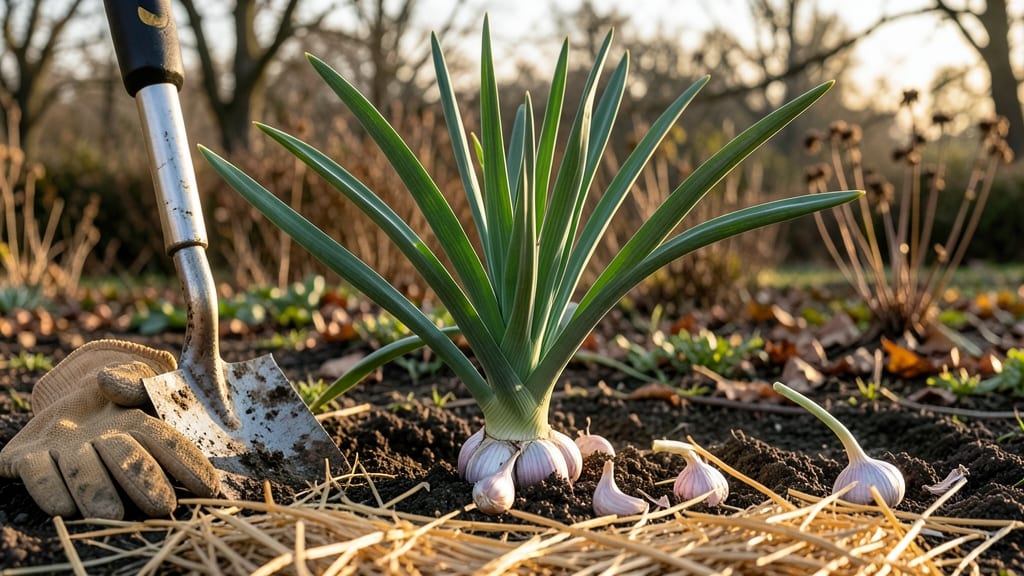
If you’ve ever planted garlic in Oregon only to watch it bolt before harvest, you’re not alone—and the fix starts with timing. The perfect fall window (October to November) isn’t just about avoiding frost; it’s about syncing with Oregon’s unique microclimates to grow plump bulbs, not bitter scapes.
Coastal gardeners in 7b zones have a longer window than inland 9a growers, but both face the same risk: planting too late means stunted roots, while planting too early can trigger premature sprouting.
I’ll break down the exact weeks to plant for your specific zone, plus how to prep soil for Oregon’s heavy clay or sandy loam.
Once you’ve nailed the timing, the real secret is mulching. A thick layer of straw or leaves insulates roots through Oregon’s wet winters, preventing the temperature swings that cause bolting.
We’ll cover the full care routine—from winter protection to spring feeding—to ensure your 🧄 harvest in July or August is the best yet.
Whether you’re growing hardneck varieties for scapes or softneck for storage, these strategies will turn your Oregon garden into a garlic powerhouse. Let’s get those cloves in the ground the right way—once is all it takes to change everything.
Best fall planting dates for garlic in Oregon’s climate zones
Oregon’s diverse microclimates—from the coastal fog belts to the Willamette Valley’s mild winters and the high-desert’s cold snaps—mean one planting window doesn’t fit all. To grow plump, bolt-free bulbs, aim for 4–6 weeks before the first hard frost in your area.
In most of Oregon (USDA zones 7b–9a), that’s mid-October to early November, but timing shifts dramatically depending on where you live.
For example, Portland gardeners should plant by November 15 to avoid winter heaving, while Medford’s warmer inland climate allows planting until mid-December. Coastal areas like Astoria or Cannon Beach may need to plant as early as late September to prevent winter damage.
The key? Soil temperatures between 40–50°F at planting—colder soils risk poor root establishment, while warmer soils can trigger early bolting.
Here’s the breakdown by Oregon’s major regions—plus how to adjust for hardneck vs. softneck varieties, since hardnecks (like ‘German White’) need cold vernalization for scape production, while softnecks (like ‘Silverskin’) tolerate milder winters.
| Region | USDA Zone | Ideal Planting Window | Hardneck Variety | Softneck Variety | Key Note |
|---|---|---|---|---|---|
| Coastal (Astoria, Cannon Beach) | 8a–9a | Late September–October 15 | ‘German White’, ‘Chesnok Red’ | ‘Silverskin’, ‘Artichoke’ | Plant early; coastal winters are wet. |
| Willamette Valley (Portland, Salem) | 7b–8a | October 1–November 15 | ‘Music’, ‘Creole’ | ‘California Early’, ‘Inchelium Red’ | Avoid planting after Nov 15; risk of heaving. |
| Inland Valleys (Bend, Redmond) | 6b–7a | September 15–October 31 | ‘Koginut’, ‘Turbo’ | ‘Silver Banana’ | Colder winters; plant hardnecks earlier. |
| Southern Oregon (Medford, Ashland) | 7b–8b | October 15–December 1 | ‘German Red Stripe’ | ‘Artichoke’ | Warmer microclimates allow later planting. |
Pro tip: Use a soil thermometer to confirm temps—40–50°F is ideal. If your soil runs warmer (common in urban heat islands or south-facing beds), plant shallower (2 inches) and use shade cloth to cool the soil.
Conversely, in high-desert areas, plant deeper (3–4 inches) to insulate cloves from freezing.
For scapes (flower stalks), prioritize hardneck varieties and plant on the earlier end of your region’s window. Scapes emerge in late spring and should be harvested when they’re 3–6 inches tall—but only if you’re okay with smaller bulbs.
If you want maximum bulb size, remove scapes immediately to redirect energy to the bulb.
Missed the fall window? Don’t panic. Spring planting (February–March) works in milder zones (8b+), but bulbs will be smaller and more prone to bolting. For best results, stick to fall—it’s when Oregon’s cool, wet winters do the heavy lifting of bulb formation.
Once planted, mulch heavily (4–6 inches of straw or leaves) to insulate cloves and prevent heaving during freeze-thaw cycles. This is especially critical in Portland’s rainy winters or Bend’s temperature swings. I’ve seen garlic heave out of the ground in one night if left unprotected—so don’t skip this step!
Finally, mark your calendar for harvest time: mid-July to August, when lower leaves brown but upper leaves stay green. Pull bulbs when the neck begins to dry—this is your cue to cure them in a dry, shaded spot for 2–3 weeks before storage.
With these region-specific dates and a little extra care, you’ll go from store-bought garlic to homegrown giants—no bolting in sight! 🌱
How to avoid bolting: soil temperature and pre-planting checks
Bolting—when garlic sends up a flower stalk instead of forming bulbs—is every Oregon gardener’s nightmare. The key to preventing it starts with soil temperature checks and proper variety selection. In Oregon’s unpredictable climate, even a few degrees can make the difference between plump bulbs and wasted effort.
Garlic cloves need soil temperatures between 40–50°F at planting time to establish roots before winter dormancy. Use a soil thermometer to test depth (4–6 inches down). If temps are above 55°F, wait at least 2 weeks—bolting risk skyrockets in warm soil.
Coastal areas like Astoria can plant earlier (late September), while inland zones like Bend should wait until mid-November.
- Planting too early → Soil temps >55°F triggers bolting
- Using softneck varieties in cold climates (e.g., Silverskin) without protection
- Skipping soil prep → Compacted or nitrogen-poor soil stresses cloves
Oregon’s heavy clay soils (common in the Willamette Valley) and sandy loams (high desert) require different planting depths. In clay, plant cloves 2 inches deep to prevent rot; in sandy soil, go 3 inches deep for moisture retention. Break up compacted areas with a broadfork before planting to improve drainage.
Not all garlic varieties thrive equally in Oregon. Hardneck varieties like German White or Chesnok Red handle our winters best, producing both bulbs and scape shoots (edible stems).
Avoid softneck types unless you’re in USDA Zone 9 (e.g., Medford), where winters are milder. Pro tip: Save seeds from your best-performing bulbs for next year’s crop!
After planting, mulch heavily with straw (4–6 inches) to insulate soil and maintain even temps. In coastal areas, add black plastic mulch in early spring to warm the soil faster. Avoid organic mulches like leaves—they can harbor fungal diseases like white rot, which garlic is susceptible to.
One final check: inspect cloves before planting. Discard any with soft spots or sprouts longer than ¼ inch—these are already stressed and likely to bolt. Store healthy cloves in a cool, dark place (50–60°F) until planting day. With these precautions, you’ll dodge bolting and grow Oregon-sized garlic bulbs instead.