
Plants
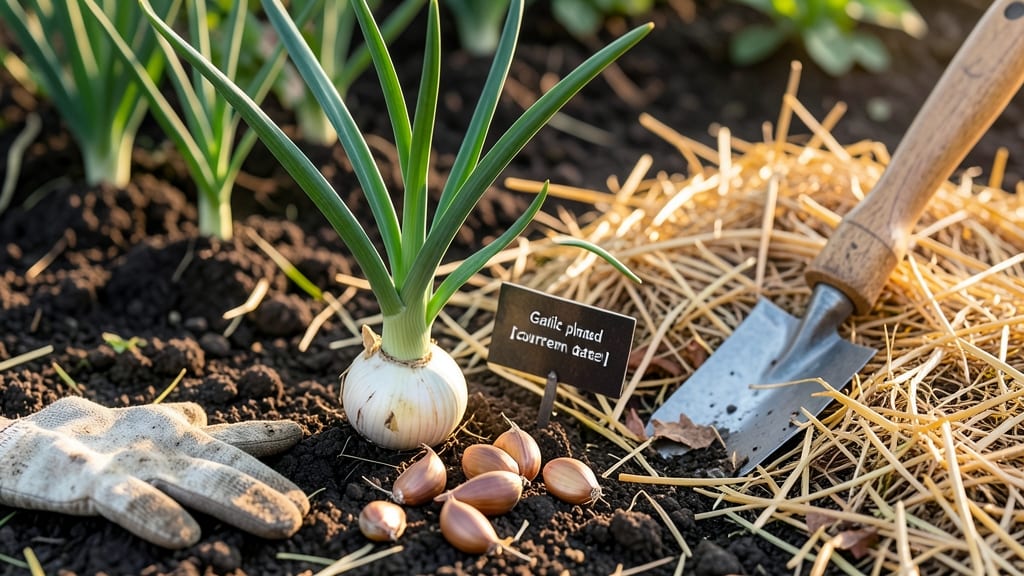
If you've ever wondered when to plant garlic in Zone 5, timing is everything—especially when you're dealing with hardneck and softneck varieties that behave differently.
Planting too early or too late can leave you with small, weak bulbs or even a complete crop failure, and in Zone 5, where winters are cold and summers can be short, getting it right is critical.
The secret to a successful harvest starts in the fall, when soil temperatures drop and the ground begins to freeze. For Zone 5 gardeners, the ideal window is between October and November, giving your garlic enough time to establish roots before winter sets in.
This is when most gardeners plant, but there’s more to it than just picking a month—soil conditions, frost dates, and even the type of garlic you’re growing all play a role.
Hardneck and softneck garlic each have their own preferences, and understanding these differences can mean the difference between a reliable harvest and a gamble.
Hardneck varieties, for example, thrive in colder climates and need that cold period to form bulbs, while softneck types are more forgiving but still benefit from early planting.
Let’s break down the best strategies so you can plant with confidence and avoid common mistakes that derail even the most well-intentioned gardeners.
Whether you're a seasoned gardener or just starting out, mastering the timing will ensure your garlic bulbs mature perfectly by late summer. I’ll walk you through the exact steps—from soil prep to post-planting care—to help you grow plump, flavorful garlic that’s ready to harvest when the time comes.
Let’s get started.

Best planting windows for hardneck vs softneck garlic in Zone 5
In Zone 5, timing your garlic planting is everything—especially when choosing between hardneck and softneck varieties. Both thrive best when planted in fall, but the exact window differs slightly.
Hardneck varieties, like Rocky Mountain or German White, need a cold period to form bulbs, while softnecks, such as Artichoke or Silverskin, are more flexible but still prefer early planting.
The ideal planting window for Zone 5 stretches from mid-October to early November. This timing ensures garlic develops strong roots before winter dormancy and matures by late summer before heat stress sets in. Planting too early risks rot, while late planting may result in small, underdeveloped bulbs.
For northern Zone 5 areas (e.g., Chicago, IL), aim for late October planting, as ground freezes earlier. In southern Zone 5 (e.g., Pittsburgh, PA), you can push planting to early November. Always plant 4-6 weeks before the first hard frost—this is your golden rule.
Soil temperature is another critical factor. Garlic cloves should go into 40-50°F soil. Use a soil thermometer to check—if temps drop below 35°F, delay planting until conditions stabilize. Cold soil can stunt root growth and delay bulb formation.
Spring planting is possible but risky in Zone 5. If you miss the fall window, plant in early spring (March), but expect smaller bulbs. Spring-planted garlic lacks the cold stratification needed for optimal bulb development, making fall the preferred method for both hardneck and softneck varieties.
Hardneck garlic requires vernalization—a period of cold—to trigger bulb formation. Planting in fall ensures this happens naturally. Softneck varieties are more adaptable but still benefit from early fall planting.
If you live in a warmer microclimate within Zone 5, you might extend planting to December, but bulbs may not reach full maturity.
| Factor | Hardneck Garlic | Softneck Garlic |
|---|---|---|
| Best Planting Month | October-November | October-November |
| Soil Temp Requirement | 40-50°F | 40-50°F |
| Cold Requirement | Essential for bulb formation | Helpful but not critical |
| Bulb Maturity Time | 240-300 days | 270-300 days |
| Spring Planting Risk | High (small bulbs) | Moderate (smaller bulbs) |
| Best For | Fresh use, hardneck varieties | Storage, braiding |
Regional adjustments are key in Zone 5. For example, Chicago’s shorter growing season means planting by October 15 is ideal, while Pittsburgh’s slightly milder winters allow for November planting. Check your local frost dates—aim to plant 6-8 weeks before the ground freezes.
After planting, mulch heavily with straw or leaves to insulate bulbs during winter. This protects against freeze-thaw cycles and keeps soil temps stable. Remove mulch in early spring to allow sunlight to reach the garlic as it resumes growth.
Remember, hardneck garlic produces scape shoots in spring—a sign of healthy growth. Harvest these before they flower to redirect energy to bulb development. Softnecks won’t produce scapes, but both types benefit from consistent moisture and well-draining soil.
If you’re new to garlic growing, start with hardneck varieties—they’re more forgiving and produce larger bulbs in Zone 5’s climate. For storage, softnecks are better, but their planting window is tighter.
How to time your garlic planting for maximum bulb size in Zone 5
Timing your garlic planting isn’t just about picking a month—it’s about syncing with soil temperatures, moon phases, and your local frost dates. In Zone 5, where winters are cold and summers can be scorching, planting too early or late throws off the entire growing cycle.
The goal? Give your garlic 165 frost-free days to mature before summer heat stress kicks in.
Start by checking your last frost date—typically around April 15 in Zone 5. Count backward 4-6 weeks to determine your ideal planting window. For most of Zone 5, this lands in late October or early November.
But don’t just guess: use a soil thermometer to confirm the ground has cooled to 40–50°F—garlic roots thrive in cooler soil.
Here’s my pro tip: Plant on a waxing moon for stronger roots and larger bulbs. The moon’s gravitational pull encourages upward growth in the scapes (for hardneck varieties) and downward growth in the roots—perfect for bulb development. Check a lunar planting calendar to align your schedule.
Once you’ve nailed the timing, focus on soil preparation. Garlic craves well-draining, nutrient-rich soil with a pH of 6.0–7.0. Work in 2–3 inches of compost or well-rotted manure before planting.
Avoid fresh manure—it can burn delicate garlic roots and stunt bulb growth. If your soil is heavy clay, mix in sand or perlite to improve drainage.
After planting, mulch is non-negotiable in Zone 5. Apply 6+ inches of straw or leaves to protect bulbs from freeze-thaw cycles that can push them out of the soil.
This insulation also conserves moisture and suppresses weeds. In early spring, add a light top-dressing of compost to feed the emerging shoots without overstimulating growth.
Finally, resist the urge to fertilize in spring. Garlic needs a period of dormancy to develop large bulbs, and extra nitrogen too early will produce leafy tops at the expense of bulb size.
Wait until late spring or early summer—when you see green shoots—to apply a balanced fertilizer like 10-10-10. But even then, less is more: 1 tablespoon per plant is plenty.
With the right timing and care, your Zone 5 garlic will reward you with plump, flavorful bulbs ready for harvest in late July or August. The key? Stay patient—garlic grows slowly, but the payoff is worth the wait. 🧄