
Lawn
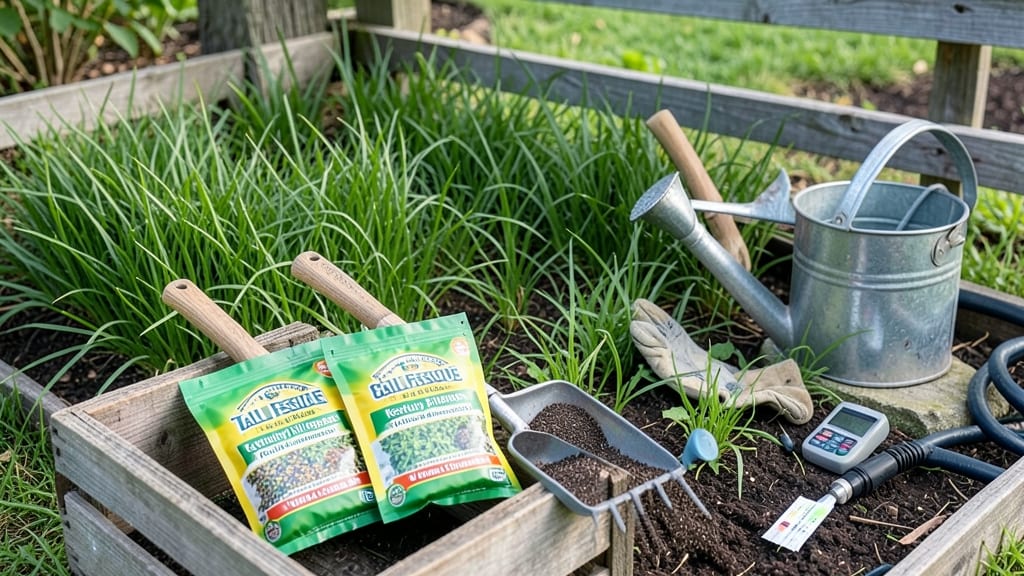
Planting grass seed at the wrong time in Virginia can mean the difference between a lush, green lawn and months of patchy brown spots—so timing isn’t just important, it’s critical.
With Virginia’s diverse climate zones ranging from 6a to 8a, figuring out the perfect window for planting can feel overwhelming.
Whether you're establishing a new lawn or overseeding an existing one, the ideal months are early spring (March-April) or early fall (August-September). These windows align with soil temperatures perfect for 🌱 turfgrass germination, avoiding both extreme heat and frost.
I’ve learned the hard way that planting too early or late can lead to poor establishment, especially in Virginia’s unpredictable weather. The key is understanding your specific microclimate—whether you’re in the Coastal Plain or the Appalachian Plateau—and adjusting your timeline accordingly.
Let’s break down the best planting strategies for your Virginia zone, including soil prep tips and watering schedules that actually work. You’ll discover how to maximize your lawn’s potential without the guesswork.
Virginia’s microclimate zones: best planting months by region
Virginia’s climate spans USDA zones 6a to 8a, creating dramatic differences in frost dates and growing seasons. The Coastal Plain (zones 7b-8a) enjoys milder winters, while the Appalachian Plateau (zones 6a-7a) faces earlier frosts.
These variations mean your best planting window depends entirely on where you live—and whether you’re seeding cool-season or warm-season grasses.
For cool-season grasses like Kentucky Bluegrass and Tall Fescue, the ideal planting months are March through April (spring) or August through September (early fall).
Warm-season grasses like Bermuda and Zoysia, however, thrive when planted in late spring to early summer (May through June), once soil temperatures consistently stay above 65°F (18°C).
Here’s how Virginia’s six distinct regions break down for optimal seeding:
| Region | USDA Zone | Cool-Season Window | Warm-Season Window | Key Consideration |
|---|---|---|---|---|
| Coastal Plain | 7b-8a | March 15–April 30, Sept 1–Oct 15 | May 15–June 30 | Longer growing season; avoid late fall planting |
| Piedmont | 6b-7a | March 1–April 15, Aug 15–Sept 30 | May 1–June 15 | Moderate climate; clay-heavy soils need prep |
| Valley & Ridge | 6a-7a | April 1–May 1, Aug 1–Sept 15 | May 15–June 10 | Earlier frosts; prioritize fall planting |
| Blue Ridge Mountains | 6a-7a | April 15–May 15, Aug 1–Sept 10 | May 20–June 5 | High elevation; shorter growing season |
| Appalachian Plateau | 6a-7a | April 1–May 1, Aug 1–Sept 15 | May 15–June 10 | Cold winters; use cold-hardy grass varieties |
If you’re in southern Virginia (zones 7b-8a), you can push your fall planting window later—even into October—since frost arrives later. But in northern Virginia (zones 6a-7a), aim to finish seeding by September 15 to avoid winter kill.
The USDA Plant Hardiness Zone Map is your best friend for pinpointing your exact frost dates—bookmark it before you shop for seed!
Pro tip: Check your local Cooperative Extension Service (like Virginia Tech’s) for hyper-local advice. They track real-time soil temperatures and rainfall patterns that can shift your ideal planting window by weeks.
For example, if you’re in Richmond (zone 7b), you might seed cool-season grass as late as October 1, but in Roanoke (zone 7a), you’ll want to wrap up by September 15 to avoid winter stress. The difference? Just 100 miles and a 2-week frost window.
Remember: Soil temperature, not air temperature, determines germination success. Use a soil thermometer
Cool-season vs. warm-season grass: which to plant and when
Virginia’s climate supports two main types of grass: cool-season and warm-season varieties, each with distinct planting windows. Choosing the right type depends on your USDA zone and lawn use—whether you prioritize winter hardiness or summer drought resistance. Let’s break down the best options for your region.
For cool-season grasses like Kentucky Bluegrass and Tall Fescue, the ideal planting time is early spring (March-April) or early fall (August-September). These grasses thrive in Virginia’s cooler months and go dormant in summer heat.
In contrast, warm-season grasses such as Bermuda and Zoysia prefer late spring to early summer (May-June) planting, as they need warm soil to germinate.
Soil temperature is the key factor—cool-season grasses need soil temps between 50°F–65°F, while warm-season grasses require 65°F–75°F. In Virginia’s Zone 7a, for example, cool-season seed should go in by April 15 to avoid summer stress, whereas warm-season seed should wait until after May 15.
If you live in northern Virginia (Zone 6a-7a), prioritize cool-season grasses like Tall Fescue—they handle early frosts better. In southern Virginia (Zone 7b-8a), consider warm-season Bermuda for summer resilience. For mixed climates, a transition zone blend (cool + warm-season) can bridge the gap.
Pro tip: Test your soil temperature with a soil thermometer before planting. Cool-season seed won’t germinate in warm soil, and warm-season seed will rot in cold soil. Aim for consistency—Virginia’s spring and fall weather can shift quickly!
Once you’ve chosen your grass type, prep your soil by loosening the top 4 inches and removing debris. For clay-heavy areas (common in Piedmont Virginia), amend with compost to improve drainage. Water lightly after planting, keeping the soil consistently moist until germination.