
Plants
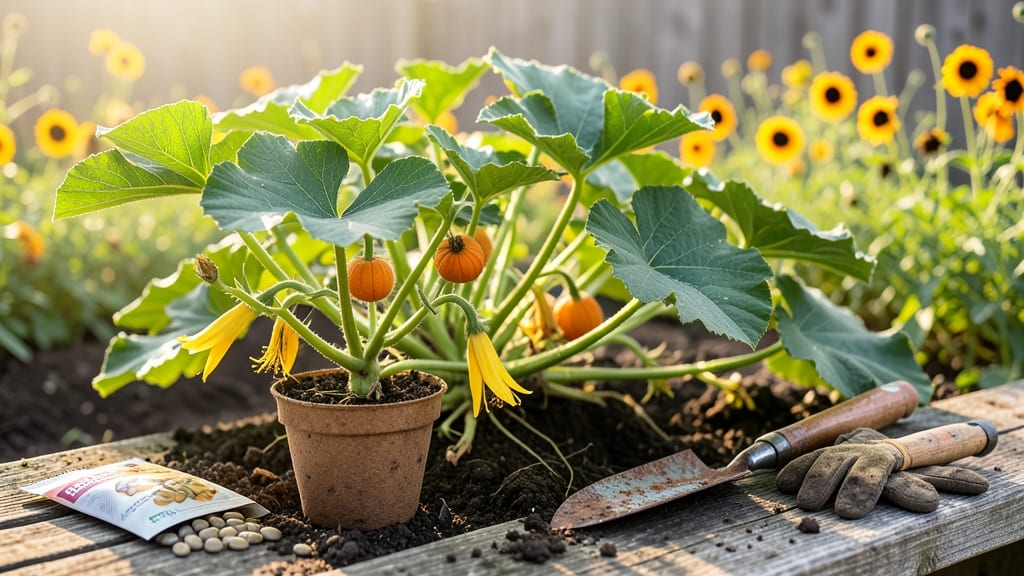
Timing your 🎃 pumpkin planting in California isn’t just about throwing seeds in the dirt—it’s about playing the climate lottery between coastal chill and inland heat. Get it wrong, and you’ll end up with bitter vines instead of prize-winning gourds.
The difference between a thriving harvest and a failed patch often comes down to knowing whether to plant in March (coastal) or April (inland), and which varieties will actually survive your microclimate.
Here’s the truth: California’s frost-free zones (9-11) mean you’ve got flexibility most gardeners envy, but that doesn’t mean timing doesn’t matter. Plant too early, and your pumpkins bolt (flower without fruit) in the desert’s relentless sun.
Wait too long, and you’ll miss the 75-120 day growing window before summer’s peak heat sets in. The key? Matching your planting schedule to your specific heat zone—and knowing whether to start seeds indoors or go straight to the soil.
Let me show you exactly when to plant in your corner of California, from the foggy coastal gardens where ‘Jack Be Little’ thrives to the inland valleys where ‘Howden’ dominates.
You’ll learn the optimal weeks for transplanting vs. direct sowing, soil prep hacks to speed up growth, and how to adjust for those unexpected heat spikes that turn vines into crispy snacks.
Whether you’re a first-time grower or a seasoned pro, this is your roadmap to zero-bolt success—no more guessing games, just pumpkins so big they’ll make your neighbors jealous. Ready to dig in?
California pumpkin planting calendar by heat zone: avoid zero-bolt failure
California’s microclimates create unique challenges for pumpkin growers. Unlike northern states, we don’t have to worry about first frost dates in most areas, but heat stress and zero-bolt syndrome (when plants flower but fail to produce fruit) become major concerns.
The key is planting at the right time based on your USDA zone and local heat patterns.
For coastal regions like San Francisco or Santa Barbara (USDA zones 9-10), cooler temperatures allow earlier planting. Inland valleys such as Sacramento or Fresno (zones 9-10) experience hotter summers, while desert areas like Palm Springs (zone 11) require even more precise timing to avoid heat shock during germination.
Soil temperature is your best guide—wait until it reaches 70°F (21°C) before planting. Use a soil thermometer to check, especially in spring when nights stay cool. Black plastic mulch can warm soil by 5-10°F, giving you a 2-3 week head start in cooler zones.
Direct sowing is ideal for California’s long growing season, but transplant shock can be an issue if you start seeds indoors. Most gardeners prefer to direct-sow seeds after the last frost risk (which is rare in most of the state) but when soil is consistently warm.
| Region | USDA Zone | Best Planting Window | Soil Temp Goal | Days to Maturity |
|---|---|---|---|---|
| Coastal (San Francisco, Santa Barbara) | 9-10 | March 15 - April 30 | 70°F+ (21°C+) | 80-100 days |
| Central Valley (Sacramento, Fresno) | 9-10 | April 1 - May 15 | 75°F+ (24°C+) | 90-110 days |
| Desert (Palm Springs, Coachella) | 11 | April 15 - May 30 | 80°F+ (27°C+) | 100-120 days |
| High Desert (Lake Tahoe area) | 7-8 | May 1 - June 15 | 65°F+ (18°C+) | 90-110 days |
🌱 Note: Adjust for heat waves—provide afternoon shade if temps exceed 95°F (35°C).
If you’re in a cooler coastal zone, aim to plant by mid-April to ensure harvest before summer heat peaks. For inland valleys, wait until early May to avoid bolting too quickly—this is when plants flower but produce no fruit.
Desert gardeners should plant no later than May 30 to complete the growing cycle before monsoon rains arrive.
Zero-bolt syndrome is your worst enemy in California’s heat. To prevent it, choose heat-tolerant varieties like 'Howden' or 'Jack Be Little' and avoid planting too early. If you notice vines growing long with no flowers, they’ve bolted—this usually happens when daytime temps exceed 90°F (32°C) for prolonged periods.
For container growing, stick to bush varieties like 'Sugar Pie' and plant in May after the soil has warmed. Containers heat up faster, so monitor moisture closely. Use 5-gallon pots minimum and place them in dappled shade during peak afternoon sun to protect roots.
Remember: California’s frost-free season is long, but heat stress is the real limiting factor. By following these heat-zone guidelines, you’ll maximize your chances of vibrant vines and plump pumpkins—not just bitter disappointment. 🎃
California pumpkin planting calendar by heat zone: avoid zero-bolt failure
California’s heat zones create wildly different pumpkin-growing conditions—coastal areas like San Francisco can plant as early as late February, while inland deserts like Palm Springs should wait until mid-April. The key is avoiding zero-bolt (when pumpkins flower but fail to set fruit) caused by sudden heat spikes.
Let’s break down your optimal planting windows by zone, including soil temperature triggers and transplanting tips.
Most California gardeners focus on three critical zones: coastal (USDA 9-10), valley (USDA 10-11), and desert (USDA 11). Each has unique last frost dates (though frost is rare) and soil warming speeds. For example, coastal soils may hit 70°F by March, while desert soils need until May.
The rule of thumb? Plant when soil temps stay above 70°F day and night—this prevents stunted growth and bolting.
Here’s your heat-zone planting calendar, including whether to direct-sow or transplant seedlings for maximum success:
| Heat Zone | Planting Window | Soil Temp Trigger | Method | Harvest Window |
|---|---|---|---|---|
| Coastal (SF, LA) | Late Feb - Early April | ≥65°F (18°C) | Direct-sow or transplant | July - October |
| Valley (Sacramento, Fresno) | Mid-March - Mid-April | ≥70°F (21°C) | Transplant seedlings | August - November |
| Desert (Palm Springs, Joshua Tree) | Mid-April - Early May | ≥75°F (24°C) | Direct-sow only | September - December |
🌱 Pro Tip: Use a soil thermometer to confirm temps—cooler coastal mornings can fool you!
If you’re transplanting seedlings (recommended for valley/desert zones), start them indoors 4-6 weeks before your target outdoor date. Use biodegradable pots to avoid root shock when moving them to the garden.
For direct sowing (best for coastal areas), plant seeds 1 inch deep and space them 2-3 feet apart—pumpkin vines need room to sprawl!
One common mistake? Planting too early in hot inland zones. Seeds need consistent warmth to germinate—if your soil is below 70°F, they’ll rot. Use black plastic mulch to warm soil faster, especially in spring.
And watch for heat stress after planting: if temps exceed 95°F, provide shade cloth during peak afternoon sun.
Timing isn’t just about months—it’s about microclimates. For example, Santa Barbara’s coastal fog belt can plant earlier than Santa Maria’s warmer inland areas, even if they’re just 20 miles apart.
Always check local weather patterns for the past 3 years to spot trends in heat spikes or unexpected rains.
Ready to pick your perfect planting date? Grab your soil thermometer, check your heat zone, and mark your calendar—your prize-winning pumpkins are waiting to grow! 🎃