
Plants
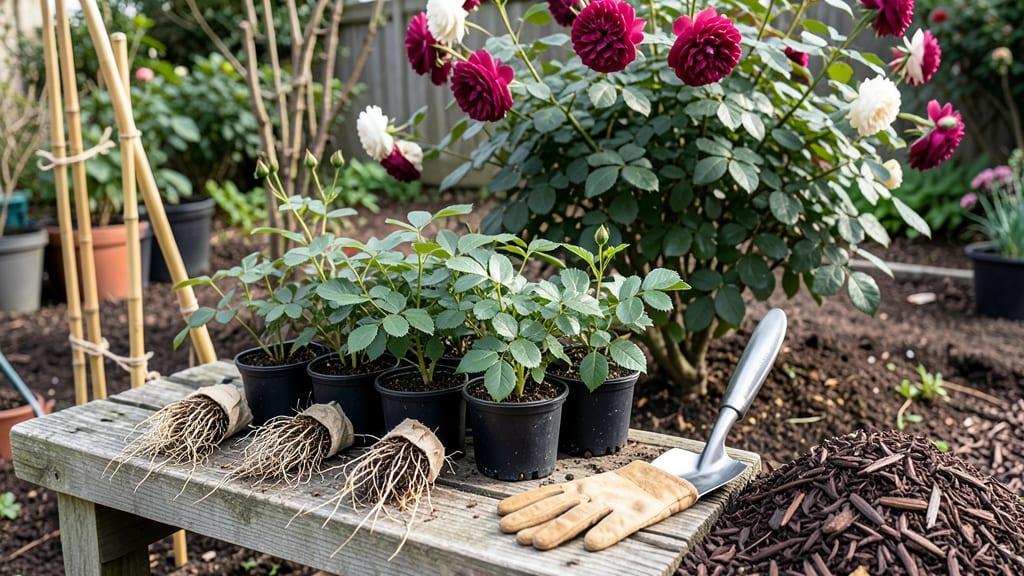
If you've ever wondered when to plant roses in Texas, the answer isn't as straightforward as you might think—especially when Texas heat can turn your garden dreams into a wilting nightmare.
The ideal planting window depends on where you live in the state, whether you're planting bare-root roses or container-grown varieties, and how well your roses can handle the Texas sun.
For most Texans in zones 8a-10b, the best times to plant are late fall (October-December) or early spring (February-March), when temperatures are milder and the risk of extreme heat or frost is lower.
But here's the catch: North Texas gardeners should aim for slightly later than their South Texas neighbors, thanks to those pesky frost dates that can sneak up as early as November in the Panhandle.
Why does timing matter so much? Because roses planted during Texas's scorching summer months struggle to establish roots, making them vulnerable to drought and disease. The key is giving your 🌹 roses a fighting chance by choosing the right season—and the right heat-resistant varieties—that can handle Texas's unique climate challenges.
In this guide, I'll break down the exact months to plant based on your region, share the top heat-tolerant rose varieties that thrive in Texas, and reveal the common mistakes that even experienced gardeners make. Let's get your roses off to the best possible start!
Best planting months for roses in Texas by region (exact timing)
Texas’ diverse climate means rose planting timing varies dramatically from North Texas to South Texas. In USDA Zones 8a-10b, the key is planting when roots can establish before extreme heat or frost hits.
For most Texans, the ideal window is fall (October-December) or early spring (February-March), but exact dates shift by region.
Why? Bare-root roses need 4-6 weeks to establish roots before summer’s brutal heat or winter’s occasional frost. Planting too early risks root rot from soggy soils, while planting too late stresses young plants during 100°F+ temperatures. Let’s break it down by region to avoid costly mistakes.
🌹 Visual Guide: Texas Rose Planting Calendar
| Region | Best Planting Months | Avoid Planting | Key Consideration |
|---|---|---|---|
| North Texas (Zones 8a-8b) | October 15–November 30 February 1–March 15 |
April–September (Heat stress risk) |
Last frost: March 15 First frost: November 15 |
| Central Texas (Zones 8b-9a) | October 1–December 15 February 15–March 10 |
March 20–September 30 (Extreme heat) |
Last frost: February 15 First frost: December 1 |
| South Texas (Zones 9a-10b) | September 15–November 30 January 15–February 28 |
March–August (Year-round heat) |
Last frost: January 15 First frost: December 15 |
⏰ Pro Tip: Plant bare-root roses 2–3 weeks earlier than container-grown roses for faster root establishment.
In North Texas, where frosts linger until March 15, focus on fall planting (October-November) to give roots time to harden off before winter. Central Texas gardeners have a slightly longer window—planting as late as December 15 works if you choose heat-tolerant varieties like Knock Out® Roses.
Meanwhile, South Texas’s milder winters allow planting into January, but avoid summer’s 105°F+ temperatures.
For container-grown roses, adjust timing by 2–3 weeks later than bare-root roses. Their established root balls handle transplant shock better, but they still need 6+ weeks to acclimate before summer’s peak heat.
If you’re in Zone 9b+, consider planting in early fall (September) to beat the worst of the summer heat.
One common mistake? Planting too early in spring (before February 15) when soils are still cold and compacted. Texas A&M AgriLife Extension recommends waiting until soil temperatures hit 60°F+—use a soil thermometer to check.
For fall planting, aim for 6–8 weeks before the first expected frost to avoid winter stress.
Don’t overlook microclimates—even within cities like Austin or Dallas, urban heat islands can push planting deadlines 1–2 weeks earlier. If your yard gets afternoon shade from buildings or trees, you might extend your window by 10–14 days.
Always monitor local National Weather Service forecasts for unseasonal cold snaps or heat waves.
For bare-root roses, soak roots in lukewarm water for 4–6 hours before planting to revive dormant roots. In containers, water thoroughly 24 hours before transplanting to reduce shock. Both methods give your roses a head start in Texas’ fast-drying soils.
After planting, mulch heavily (3–4 inches) with pine straw or shredded bark to retain moisture and regulate soil temps.
Remember: Texas roses thrive with patience. A well-timed fall planting often yields bigger blooms next spring than a rushed spring effort.
Start with heat-resistant varieties, plant at the right time, and your roses will reward you with vibrant blooms from March through November—even in the Lone Star State’s harshest conditions. 🌿
Best planting months for roses in Texas by region (exact timing)
Texas's diverse climate zones mean your rose planting schedule should depend on whether you're in North, Central, or South Texas. The last frost dates vary dramatically—from November 15 in North Texas to January 15 in South Texas—so timing is everything for root establishment.
For North Texas (Zones 7b-8a), aim to plant between November 1 and March 15. This window avoids both late fall frosts and summer heatwaves, giving your roses a 6-8 week head start before extreme temperatures arrive.
In Central Texas (Zones 8a-8b), your ideal window expands to October 15 through March 31. The milder winters here allow for an earlier start, but avoid planting after April 15 when temperatures consistently exceed 90°F.
For South Texas (Zones 9a-10b), the perfect time is September 15 through January 31. Here, you can plant bare-root roses as late as December thanks to the warmer winters, but summer planting is a no-go due to 100°F+ heat.
| Region | USDA Zone | Best Planting Window | Last Frost | First Frost |
|---|---|---|---|---|
| North Texas | 7b-8a | Nov 1 - Mar 15 | Mar 15 | Nov 15 |
| Central Texas | 8a-8b | Oct 15 - Mar 31 | Feb 15 | Dec 1 |
| South Texas | 9a-10b | Sep 15 - Jan 31 | Jan 15 | Dec 15 |
Pro tip: Bare-root roses establish faster in cool fall soil (60-65°F), while container-grown roses can handle slightly warmer spring conditions. Always check for soil temperature—if it's above 70°F, wait a few weeks.
Remember, Texas heat stress is real. Planting in September or April might seem convenient, but the intense afternoon sun and drought conditions can shock young roses. Stick to the optimal windows for the best 🌹 blooms next season.