
Plants
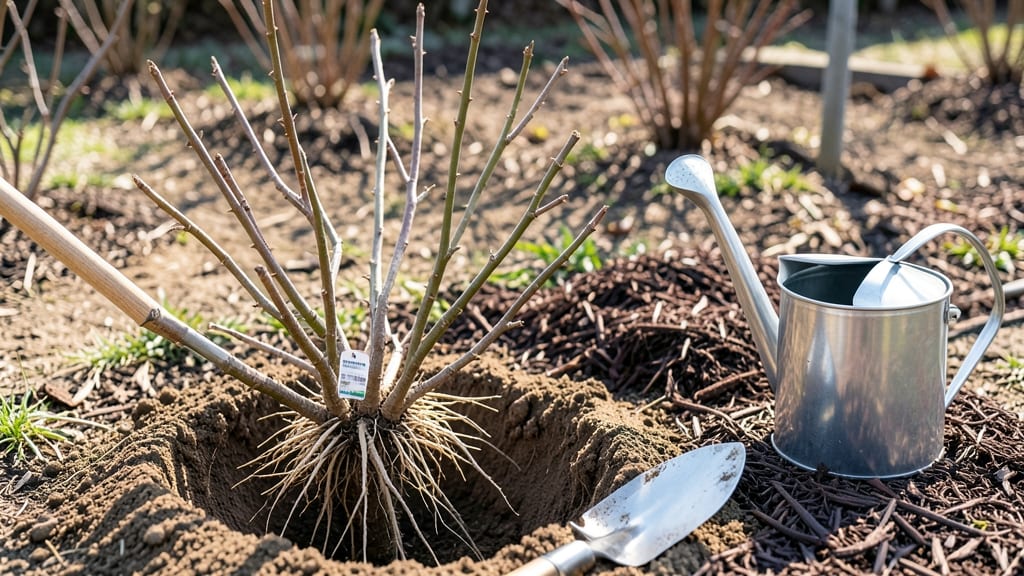
Planting bare root roses in California at the wrong time can turn your dream garden into a winter disappointment—think leggy stems and weak blooms instead of the vibrant 🌹 you crave.
The key to success lies in understanding your region’s chill hours and frost patterns, which vary wildly from coastal 9-10 zones to inland 7-9 areas.
If you’ve ever wondered why some roses bolt (sprout too early) while others struggle to establish roots, the answer starts with timing. California’s diverse microclimates mean what works in San Francisco might fail in Sacramento—or even Los Angeles.
I’ll break down the exact windows (November through March) when soil temps and daylight align perfectly for planting, so you avoid common pitfalls.
What you’ll discover is how to match your rose varieties to your chill-hour zone, prep soil for maximum root growth, and care for your new plants post-planting—all tailored to California’s unique growing conditions.
Whether you’re a coastal gardener or inland, these strategies will help you grow roses that thrive from their first bloom.
Ready to transform your garden? Let’s dive into the science behind zero bolted growth and how to plant your bare root roses for success, no matter where you live in the Golden State.
California’s chill-hour zones: matching bare root roses to your microclimate
California’s diverse climate means not all bare root roses thrive equally. The key? Chill-hours—the number of hours below 45°F (7°C) your region experiences each winter. Roses need 100-1,000+ chill-hours to break dormancy, and planting outside this range risks bolted growth or poor blooming.
For example, coastal areas like San Francisco average just 200-400 chill-hours, while inland valleys like Fresno see 800-1,200 hours. Matching your rose variety to your chill-zone ensures strong canes and vibrant blooms from the first season.
Here’s how to find your chill-hour zone and pick the perfect roses:
| Chill-Hour Zone | California Regions | Best Rose Varieties | Planting Window |
|---|---|---|---|
| 200-400 hrs | Coastal (San Francisco, Santa Barbara) | Knock Out®, Dr. Huey, Rainbow Knock Out® | November–January |
| 400-600 hrs | Central Coast (Monterey, Santa Cruz) | Earth Song®, Double Delight®, The Fairy® | December–February |
| 600-800 hrs | Inland Valleys (Sacramento, Fresno) | Mr. Lincoln, Peace®, Julia Child® | November–March |
| 800-1,000+ hrs | Mountain Foothills (San Bernardino, Sierra) | Bourbon roses, David Austin English roses | November–January (soil must be workable) |
If you’re in Southern California (e.g., Los Angeles, San Diego), aim for low-chill varieties like Knock Out® roses, which tolerate 200-400 chill-hours. These areas often see mild winters, so planting too late (after February) can trigger early sprouting and bolted growth.
For Northern California (e.g., Sacramento, Redding), where chill-hours exceed 600-800, classic hybrid teas like Mr. Lincoln or Double Delight® thrive. These varieties need cold dormancy to produce lush blooms in spring.
Pro tip: Use the USDA Plant Hardiness Zone Map and cross-reference with chill-hour data from local weather stations. For example, San Francisco (Zone 9b) has 300-400 chill-hours, while Fresno (Zone 8a) hits 800-1,000 hours—a huge difference for rose selection!
Once you’ve matched your chill-zone to the right rose variety, the next step is planting during your region’s optimal window. Coastal areas can plant as early as November, while inland valleys should wait until December or January to avoid frost damage to emerging roots.
Remember: Bare root roses are dormant when planted, so they won’t sprout until spring. This dormant state helps them establish roots before the growing season begins—critical for zero bolted growth.
🌹
Optimal planting windows by California region: coastal vs. desert vs. foothills
California’s diverse climate means your bare root roses need region-specific timing to thrive. Coastal areas like San Francisco and Santa Barbara enjoy milder winters, while inland deserts (e.g., Palm Springs) and foothills (e.g., Sacramento) face colder snaps. Planting outside these windows risks bolted growth or poor root establishment.
For Northern California (USDA Zones 7-9), aim for November through February when soil temps drop below 60°F. Central Coast gardeners should plant in December-January to avoid early spring warmth. In Southern California (Zones 9-10), focus on January-February when chill hours accumulate.
| Region | Best Planting Window | Soil Prep Tip | Post-Planting Care |
|---|---|---|---|
| Northern California (e.g., Sacramento) | November–February | Amend with compost and mycorrhizal fungi for cold resilience. | Mulch 4–6 inches with wood chips to retain moisture. |
| Central Coast (e.g., Santa Barbara) | December–January | Add sand to improve drainage in clay soils. | Water deeply 2x/week until roots establish (6–8 weeks). |
| Southern California (e.g., Palm Springs) | January–February | Mix in perlite to prevent soil compaction. | Use drip irrigation to avoid fungal risks from overhead watering. |
In coastal regions, prioritize late fall planting to leverage winter rains, while desert areas benefit from early winter soil moisture. Avoid planting in April or later—rising temps trigger bolted growth, where roses shoot up weak stems without blooming.
Pro tip: Check your local frost dates (e.g., December 15 in the Central Valley) and plant 4–6 weeks before the first expected frost. This gives roots time to establish before dormancy kicks in. For container growing, extend your window by 2–4 weeks—containers warm faster and need earlier planting.
After planting, monitor for leaf bud swell (a sign of new growth). If buds appear too early (e.g., March in Southern California), provide light shade cloth to delay bolting until soil warms consistently above 55°F.
Remember: Bare root roses are dormant, so handle them gently. Soak roots for 1–2 hours before planting to rehydrate, and trim any damaged canes with clean pruners. With the right timing, your roses will burst into bloom by late spring—just in time for California’s iconic rose season! 🌹