
Plants
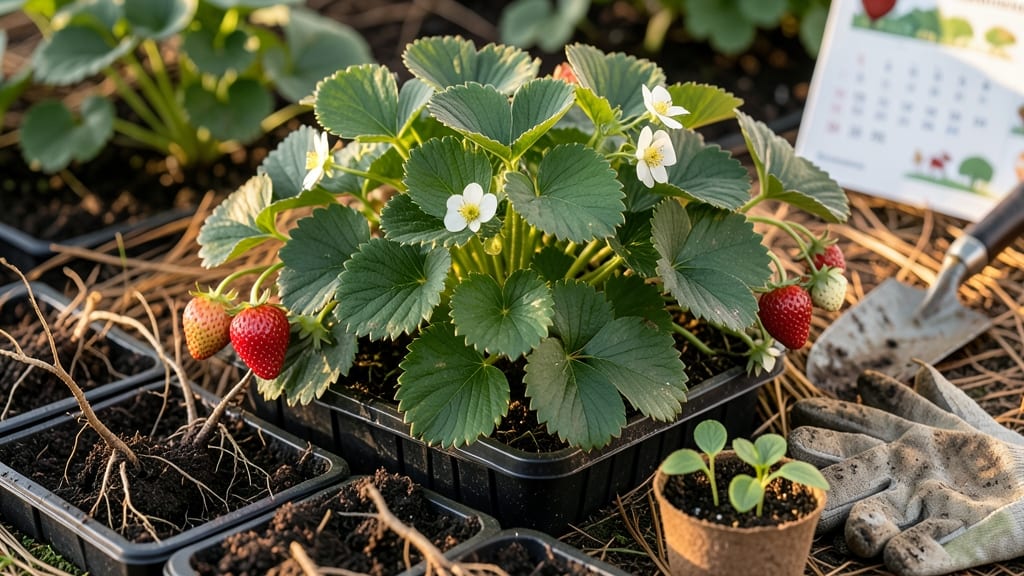
Planting strawberries in Zone 7 at the wrong time can mean the difference between a bountiful harvest and wasted effort. The best planting windows—early spring or fall—align with your microclimate’s frost patterns and soil conditions, ensuring your 🍓 thrive when they need to.
I’ve grown strawberries in Zone 7 for years, and the key to success isn’t just following a calendar—it’s understanding how late frosts or early heat can shift your schedule. Whether you’re planting bare-root crowns or potted plants, timing matters more than you might think.
In this guide, I’ll break down the exact planting windows for spring and fall, plus how to adjust for your local microclimate—whether you’re in a city heat pocket or a cooler valley.
You’ll also discover which strawberry varieties perform best in Zone 7 and how to protect your plants for peak ripeness.
Ready to grow sweeter, healthier strawberries? Let’s get started with the timing that works for your garden.

Optimal planting windows for strawberries in Zone 7: early spring vs. fall timing
In Zone 7, strawberries thrive when planted during two key windows: early spring or early fall. These timings align with your region’s last frost date (March 15) and first frost date (November 15), but microclimates can shift these windows by weeks.
For example, urban areas may experience heat islands that delay spring planting, while high-elevation spots could push fall planting earlier.
Spring planting (February–March) gives strawberries 60–75 days to establish roots before summer heat arrives. Fall planting (August–September) allows roots to grow before winter dormancy, often yielding stronger plants for next year’s harvest. Both methods work, but your choice depends on your soil temperature and frost risk.
Soil temperature is critical—strawberries need at least 40°F (4°C) for roots to establish. In Zone 7, this typically means waiting until mid-February for spring or planting by mid-September for fall to avoid winter stress. Use a soil thermometer to confirm readiness; planting too early in cold soil can stunt growth.
Bare-root plants (cheaper and widely available) require immediate planting, while potted strawberries offer flexibility. If you’re using bare-root, soak roots in water for 1–2 hours before planting to revive them. Potted plants can be planted anytime within the window, but avoid transplant shock by watering thoroughly after placement.
Here’s how to adjust for late frosts or early heatwaves:
- Late frost risk? Wait until April 1 (after average last frost) for spring planting.
- Early heatwave? Plant in shade cloth until roots establish, then move to full sun.
- Fall planting too late? Use row covers to extend the season by 2–3 weeks.
For bare-root plants, trim damaged roots and soak for 1–2 hours before planting. Space them 12–18 inches apart in rows 3–4 feet apart to allow airflow and reduce disease risk. If using potted strawberries, plant them at the same depth as their container to avoid stress.
After planting, water deeply to settle soil and remove air pockets. Apply 2–3 inches of mulch (straw or shredded leaves) to retain moisture and suppress weeds. Avoid mulching too close to the crown to prevent rot.
In Zone 7, spring-planted strawberries will fruit in 60–75 days, while fall-planted varieties may yield lightly in autumn and heavily the following spring.
Pro tip: Mark your planting dates on a garden calendar to track progress. In Zone 7, everbearing varieties like Seascape or Albion are ideal for fall planting—they’ll give you berries in autumn and next summer.
For June-bearing types like Chandler, spring planting is your best bet for a single, abundant harvest.
🌱
How microclimates in Zone 7 shift strawberry planting dates: urban vs. rural adjustments
Zone 7’s 180 frost-free days offer a long growing season, but your exact planting window depends on your microclimate. Urban gardens often experience heat islands that delay spring frosts, while rural areas may face valley cold pockets that push planting later.
Even a 10-degree difference can shift your ideal timing by 2-3 weeks.
For example, Richmond, VA (Zone 7a) typically sees its last frost around March 15, while Asheville, NC (Zone 7b) may not warm up until April 1. These shifts matter because strawberries need soil temps above 40°F to thrive—planting too early risks stunted growth from cold soil.
🌱
🌡️ Microclimate Adjustments for Zone 7 Strawberries
Wind exposure also plays a critical role. Gardens in open fields or near large bodies of water may experience delayed warming in spring. If your area gets consistent winds over 10 mph, consider using windbreaks or planting near fences/shrubs to protect young strawberry plants.
For fall planting (August-September), urban gardens often benefit from earlier soil warming in late summer. Test soil temps with a soil thermometer—ideal temps are 60-70°F for root establishment. Rural areas with drier soils may need extra irrigation to maintain these temps during fall planting.
Pro tip: Use a frost calendar from your local Cooperative Extension Service (like Virginia Tech or NC State) for hyper-local adjustments. These resources provide 10-year averages of frost dates, helping you fine-tune your 4-6 week pre-frost planting window for fall.
🌿
Remember, even within Zone 7, elevation changes can shift planting dates by weeks. If you're in the mountains of North Carolina, aim for late March to early April for spring planting, while coastal plain regions can start as early as February.
Always prioritize soil temperature over calendar dates!