
Plants
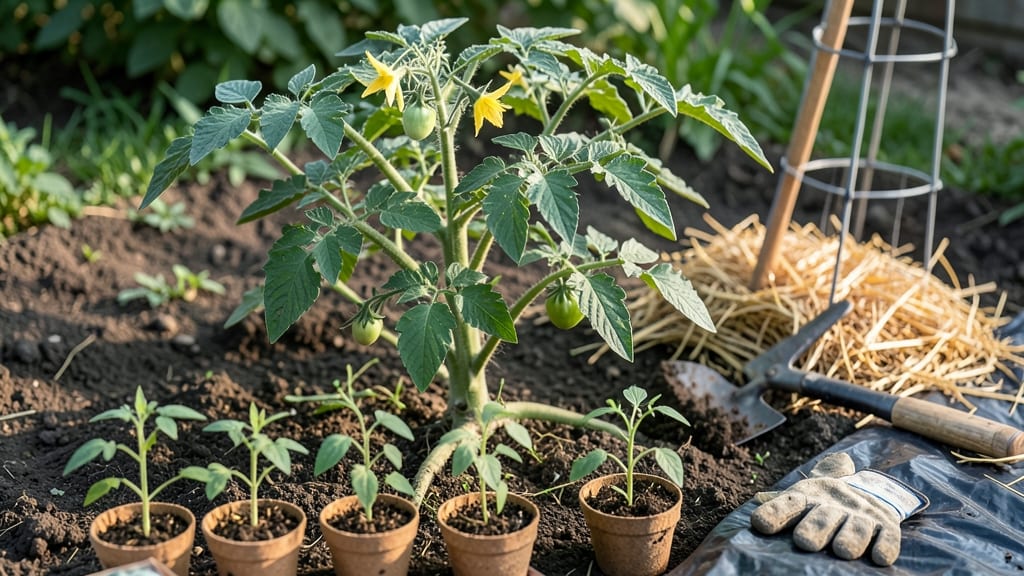
When do you plant tomatoes in Arkansas isn’t just about avoiding frost—it’s about unlocking the full potential of your 🍅 plants, whether you’re growing heat-loving beefsteaks or early varieties like 'Celebrity'.
With Arkansas’ 7a-8b climate, the window between mid-March and early May offers the perfect balance for transplanting young plants, while seeds can go straight into the ground from April to June.
But getting it right means understanding how your region’s microclimates—from the cooler north to the humid south—can shift your ideal planting dates by weeks.
I’ve tested these strategies over years of Arkansas gardening, and the difference between a bountiful harvest and a struggling plant often comes down to soil temperature and timing. Let me show you exactly when to plant for maximum yield, no matter where you are in the state.
From frost dates to variety selection, we’ll cover everything you need to know to turn your garden into a tomato powerhouse—without wasting time or resources on guesswork.
Arkansas tomato planting calendar: frost-free dates by region (2024 guide)
Arkansas's varied climate means last frost dates can differ by 2-3 weeks between regions, making timing critical for tomato success. In the Northwest (USDA Zone 7a), frost typically lingers until April 15, while the Southeast (Zone 8a) often sees its last frost by March 20.
Central Arkansas falls somewhere in between, with late March to early April being the safest window for transplanting.
For direct-seeded tomatoes, wait until soil temperatures hit 60°F+—usually mid-April to early May—to avoid stunted growth. Arkansas's humidity and heat demand quick action; planting too early risks blossom end rot from cool soils, while late planting may cut harvests short before fall frosts in November.
🌱
If you're starting tomato seeds indoors, begin 6–8 weeks before your region's last frost date. For Northwest Arkansas, that means mid-February, while Southeast gardeners can start late January. Use grow lights to ensure 14–16 hours of light daily—Arkansas's shorter winter days can stunt seedlings.
For late-season varieties like 'Celebrity' or 'Mountain Merit', aim to transplant by June 1 in most regions. These heat-tolerant types thrive in Arkansas's summer heat and can produce fruit until October, extending your harvest window by 2–3 months compared to early varieties.
🌿
Monitor local microclimates—valleys and low-lying areas often frost 1–2 weeks later than hillsides. Use a soil thermometer to confirm 60°F+ soil temps before planting; cool soils delay germination and increase disease risk.
In 2023, unexpected late frosts in April caught many Arkansas gardeners off guard, so always have row covers ready.
Succession planting works well in Arkansas: sow new seeds every 2 weeks from April to June for a staggered harvest. This is especially useful for cherry tomatoes, which ripen faster (60–70 days) than beefsteaks (80–90 days).
Pair early varieties like 'Stupice' with late-season types like 'Arkansas Traveler' to maximize yield.
🌡️
Remember, Arkansas's humidity can accelerate tomato diseases like early blight. Space plants 18–24 inches apart for airflow and use drip irrigation to keep foliage dry.
If you're in Zone 7a and face an unexpected frost, cover plants with frost cloth or a lightweight blanket—tomatoes can tolerate 28°F for short periods if dry.
Plan your tomato schedule around Arkansas's 200–240 frost-free days. Early plantings in March risk frost damage, while late plantings in June may not mature before fall. Strike the balance by aligning your planting dates with your variety's days to maturity and local frost data.
Best tomato varieties for Arkansas planting times: early vs. late season
Choosing the right tomato varieties for Arkansas means balancing heat tolerance, disease resistance, and maturity timing. The state’s USDA zones 7a-8b and humid summers demand varieties that thrive in both early springs and late summers.
Early producers like 'Stupice' can handle cooler soils, while heat-lovers like 'Arkansas Traveler' shine in Arkansas’ peak summer heat.
For northern Arkansas (zones 7a-7b), prioritize disease-resistant varieties that mature quickly before summer humidity peaks. In southern Arkansas (zones 8a-8b), focus on heat-tolerant and drought-resistant types that won’t wilt under prolonged sun.
My top picks include 'Mountain Merit' for reliability and 'Black Krim' for flavor, but the best choice depends on your planting window.
Here’s how to match varieties to Arkansas’ planting windows:
| Variety | Type | Days to Maturity | Best Planting Window | Arkansas Strengths |
|---|---|---|---|---|
| 'Stupice' | Cherry | 60-65 | Early April (transplants) | Cold-tolerant, early harvest |
| 'Mountain Merit' | Beefsteak | 70-75 | Mid-April to early May | Disease-resistant, high yield |
| 'Arkansas Traveler' | Heirloom | 80-85 | Late April to early June | Heat-tolerant, rich flavor |
| 'Celebrity' | Slicing | 70-75 | Early May (transplants) | Versatile, consistent producer |
| 'Black Krim' | td style="padding: 8px; border-bottom: 1px solid #4a727c;">Heirloom85-90 | Late May to early June | Late-season flavor, drought-tolerant |
If you’re starting seeds indoors, begin 'Mountain Merit' or 'Celebrity' 6-8 weeks before your last frost date (typically mid-February to early March). For direct sowing, wait until soil temperatures hit 60°F—usually late April to early May—to avoid stunted growth from cool soils.
For late-season extensions, consider heat-set varieties like 'Solar Fire' or 'Heatmaster', which thrive in Arkansas’ 90°F+ summers. These varieties can even handle succession planting in July for a fall harvest before the first frost.
Just be sure to use cage supports—Arkansas’ humidity can make vines top-heavy and prone to disease.
Pro tip: Pair disease-resistant varieties with mulch to reduce soil-borne pathogens. My go-to is black plastic mulch, which warms the soil faster and deters weeds—critical in Arkansas’ humid climate where fungal diseases like early blight thrive.