
Plants
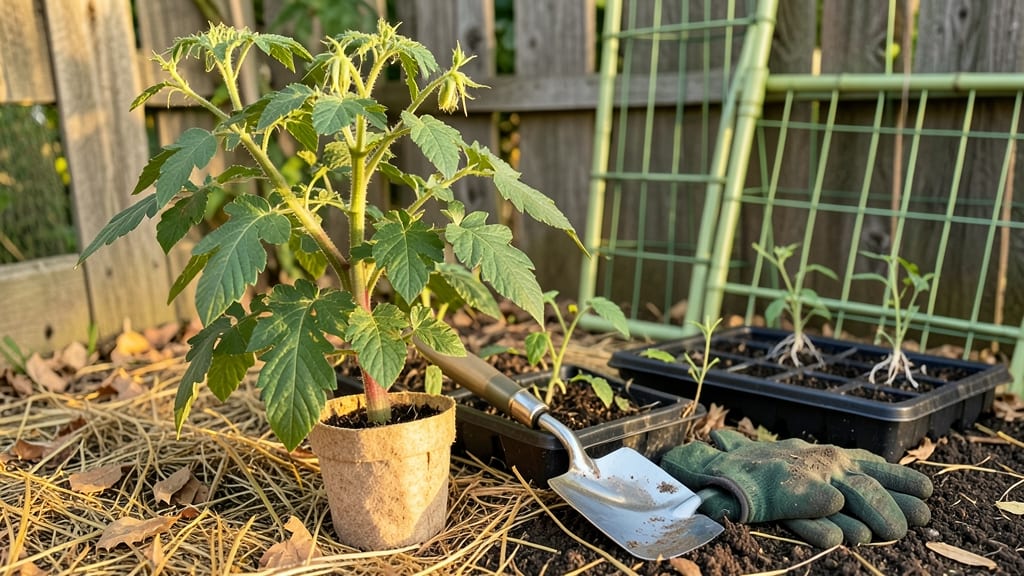
Timing when is the best time to plant the tomatoes in North Carolina isn’t just about picking a date—it’s about mastering the delicate balance between frost and scorching heat.
Whether you’re in the mountains, Piedmont, or coastal plains, planting too early risks frost damage, while waiting too long can leave your plants struggling under summer’s intensity. The secret lies in understanding your zone’s unique climate patterns and heat tolerance thresholds.
I’ve spent years growing tomatoes across NC’s diverse regions, and what I’ve learned could mean the difference between a bountiful harvest and a disappointing one. From starting seeds indoors in March to transplanting outdoors when soil hits 60°F, every detail matters.
Let’s break down exactly when to plant for your specific zone—so you can enjoy homegrown tomatoes all season long.
Most gardeners in zones 7b–8b (like Raleigh or Wilmington) can start seeds indoors as early as February, but mountain growers in zone 6a (think Asheville) should wait until April to avoid late frosts.
The key is aligning your planting schedule with your region’s last frost dates and heat thresholds—because even the hardiest tomato varieties need the right conditions to thrive.
Ready to grow tomatoes that burst with flavor? I’ll walk you through the exact planting windows, soil temperature tricks, and variety recommendations tailored to NC’s microclimates. By the end, you’ll know not just when to plant, but how to set your tomatoes up for success from day one.
North Carolina’s tomato planting zones: when to start indoors vs. outdoors
North Carolina spans USDA zones 5b through 8b, creating wildly different tomato planting windows. In the mountains (zone 6a), frost lingers until mid-April, while coastal areas (zone 8a) enjoy frost-free soil by mid-February.
This means your Asheville garden and Wilmington plot can’t follow the same schedule—and getting it wrong costs you your harvest.
Tomatoes thrive when soil hits 60°F (15°C) and nighttime temps stay above 50°F (10°C). Plant too early, and cold snaps shock delicate seedlings. Too late, and scorching July heat stresses plants before they fruit.
The key? Match your seed-starting indoors and outdoor transplant dates to your zone’s last frost and heat tolerance thresholds.
Here’s how to align your planting with NC’s three distinct climate bands—mountains, Piedmont, and coastal—plus a heat tolerance chart for variety selection.
For mountain gardeners (zone 6a), start seeds indoors by March 1 to transplant after May 1. The short growing season demands early varieties like ‘Stupice’ (55 days) or ‘Mountain Merit’ (65 days).
In the Piedmont (zone 7b), you’ve got flexibility: sow seeds by February 15 and transplant by April 15 for a longer harvest window.
Coastal NC gardeners (zone 8a) can push the envelope: begin seeds as early as January 15 for a March 1 transplant. Heat-tolerant varieties like ‘Celebrity’ or ‘Solar Fire’ thrive in 90°F+ temps, making them ideal for Wilmington’s long, hot summers.
Just avoid planting after June 1, or your tomatoes will bolt before ripening.
Pro tip: Use a soil thermometer to confirm readiness. Tomatoes won’t germinate below 55°F (13°C), and transplanting into cold soil stunts roots. Wait for consistent 60°F+ soil temps—even if daytime highs are warmer.
In high-altitude areas (e.g., Boone), extend your season with row covers or choose ‘Early Girl’ (50 days) over slow-to-mature heirlooms.
For container gardeners, adjust timelines by 2–3 weeks earlier—pots warm up faster than in-ground soil. Place containers in south-facing spots and use black plastic mulch to raise soil temps by 5–10°F. This trick lets you transplant 2 weeks ahead of ground-planted tomatoes.
Remember: Succession planting is your secret weapon. In zones 7b–8a, make 2–3 staggered plantings (every 2 weeks) to stretch your harvest from June to October. Just avoid late plantings after July 1—the heat will overwhelm seedlings.
🌱
How to adjust planting for North Carolina’s microclimates (coastal vs. Piedmont vs. mountains)
North Carolina’s microclimates create wildly different growing conditions—coastal areas like Wilmington enjoy longer frost-free seasons, while mountain regions near Asheville face shorter summers and cooler soils. Even within the Piedmont, microclimates can shift planting windows by weeks.
Understanding these variations ensures your tomatoes thrive, whether you’re growing heat-tolerant ‘Celebrity’ varieties or early ‘Stupice’ for cooler highlands.
The coastal plain (zones 8a–8b) has warmer soils and longer growing seasons, allowing transplants as early as mid-March. In contrast, mountain zones (6a–7a) must wait until mid-April to avoid frost.
Piedmont areas (7b) strike a balance, typically planting by late March to early April. Soil temperature is your best guide—wait until it hits 60°F (15°C) before transplanting, regardless of zone.
🌱 North Carolina Microclimate Planting Guide
| Region | USDA Zone | Last Frost | Transplant Window | Best Varieties |
|---|---|---|---|---|
| Coastal Plain | 8a–8b | Feb 15–Mar 1 | Mid-March–April 15 | ‘Celebrity’, ‘Solar Fire’ (heat-tolerant) |
| Piedmont | 7b–8a | Mar 15–Apr 1 | Late March–April 30 | ‘Brandywine’, ‘Roma’ (versatile) |
| Mountains | 6a–7a | Apr 15–May 1 | Mid-April–May 15 | ‘Stupice’, ‘Mountain Merit’ (early/cool-tolerant) |
💡 Pro Tip: Use black plastic mulch in cooler zones to warm soil faster by 5–10°F.
Coastal gardeners must also battle humidity and fungal diseases like early blight. Mulch with straw to keep foliage dry, and choose disease-resistant varieties like ‘Defiant PhR’. In the Piedmont, where summers can sizzle, drip irrigation and shade cloth during heatwaves (above 90°F) protect blossoms from dropping.
Mountain growers should focus on early-maturing varieties to beat the October frost, and use row covers for extra protection.
Soil warmth is critical—coastal soils heat up faster due to lower elevation, while mountain soils stay cooler longer. Test soil temperature with a soil thermometer (insert 2 inches deep) before planting. If your Piedmont garden feels sluggish, try raised beds—they warm up 2–3 weeks earlier than in-ground soil.
For container growers, use black pots to absorb heat and place them on heat-absorbing surfaces like gravel or dark mulch.
Adjust your fertilizer schedule too: coastal plants may need less nitrogen (to avoid leafy growth in humidity), while mountain tomatoes benefit from a phosphorus boost (for root strength in cooler soils). Always water deeply in the morning to prevent fungal issues, and avoid overhead watering after dark.
With these microclimate tweaks, your tomatoes will thrive—whether you’re in sunny Wilmington or the cool Appalachians! 🌿