
Plants
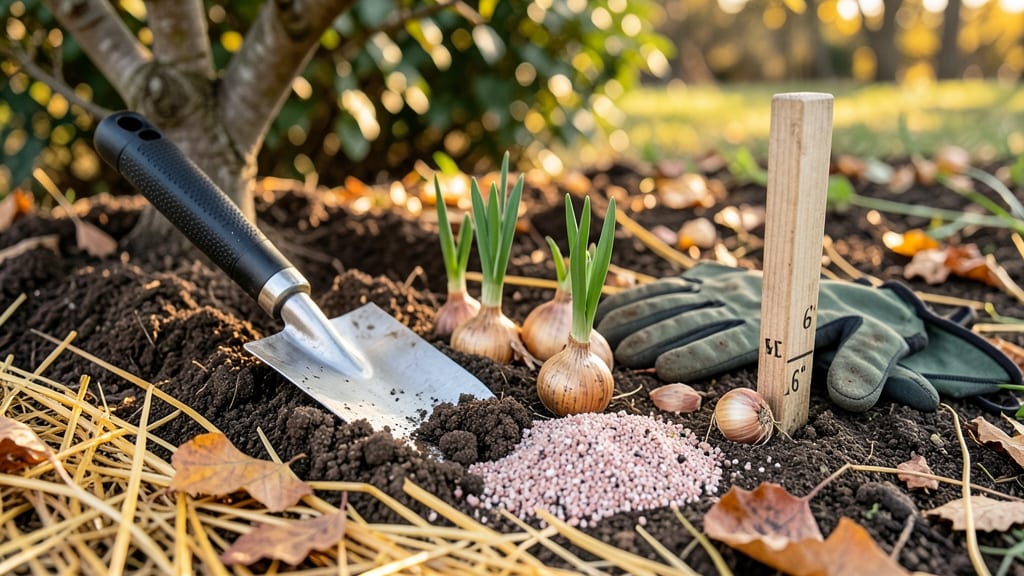
Planting your tulips at the right time in North Carolina is the secret to those vibrant spring blooms you’ve been dreaming of—especially when your yard spans from the Piedmont to the coast.
The key isn’t just picking a month; it’s understanding how your local microclimate, like USDA zones 7a-8a, dictates the perfect window between October and December.
If you’ve ever wondered why some tulips thrive while others fail, it’s likely because they missed that critical 6-8 week window before the first hard frost.
In North Carolina, that means timing your bulbs to settle in the soil by mid-November at the latest—giving them time to root before winter sets in.
Don’t let late frosts or uneven soil temperatures throw off your plans. I’ll break down exactly how to adjust for your region, whether you’re in the cooler mountains or the milder coastal plains, so your 🌷 tulips get the head start they need.
Ready to turn your fall gardening into a spring spectacle? Let’s dive into the step-by-step guide that’ll have your tulips popping up like clockwork—no guesswork required.
Best planting months for tulips in North Carolina by region
North Carolina’s diverse climate means the perfect time to plant tulip bulbs varies by region. Whether you’re in the Coastal Plain, Piedmont, or Mountains, aim to plant 6-8 weeks before the first hard frost—typically between mid-October and December.
This timing ensures bulbs establish roots before winter dormancy.
For Coastal NC (USDA Zones 8a-8b), where winters are milder, you can plant tulips as late as December. In contrast, Mountain regions (Zones 5b-6a) require earlier planting—late September to October—to beat the earlier frost. Always check your local last frost date to fine-tune your schedule.
The Piedmont region (Zones 7a-7b) offers a sweet spot for planting, with October to early November being ideal. This window balances frost risk and soil temperature, giving bulbs time to root before winter. Use a frost-free date calculator for your exact location to avoid mistakes.
Here’s how to adjust your planting timeline based on North Carolina’s three key regions:
| Region | USDA Zone | Best Planting Window | Key Consideration |
|---|---|---|---|
| Coastal Plain | 8a-8b | Late October–December | Milder winters; later frost dates |
| Piedmont | 7a-7b | Mid-October–November | Moderate frost risk; ideal balance |
| Mountains | 5b-6a | Late September–October | Earlier frost; plant sooner |
If you’re unsure about your exact frost date, use the National Weather Service’s frost calendar or local gardening extensions for precise data. For example, Asheville’s frost date typically arrives by mid-November, while Raleigh’s is closer to mid-December.
For container gardening, plant tulips in late September to October regardless of region. Containers freeze faster than in-ground soil, so bulbs need extra time to root. Use a heat mat or mulch heavily to protect potted tulips in colder zones.
Pro tip: Plant early-blooming varieties like ‘Darwin Hybrid’ in late September to avoid late frost damage. These tulips emerge earlier and tolerate cooler temperatures better than late bloomers.
Always plant tulips in well-draining soil to prevent rot. Amend heavy clay soils with compost or sand before planting. This step is critical in Coastal NC, where soil can stay soggy longer.
Once planted, mulch with 2-3 inches of straw or leaves to insulate bulbs and regulate soil temperature. This extra layer helps bulbs survive fluctuating temperatures common in North Carolina’s transitional seasons.
Remember, tulips need cold dormancy to bloom well. If you plant too late, bulbs may not establish roots before winter, leading to poor or no blooms the following spring. Aim for that 6-8 week window before frost!
How to adjust planting for North Carolina’s frost risks
North Carolina’s variable frost dates can challenge tulip growers, but with the right adjustments, you’ll protect your bulbs and still enjoy zero-frost blooms. Late frosts—especially in the Piedmont and Coastal Plain—often strike after tulips have sprouted, damaging tender shoots.
The key is to time planting and use protective strategies to shield your bulbs from cold snaps.
Start by planting bulbs 6–8 weeks before your area’s first hard frost. In USDA Zone 7b (common in the Piedmont), this means aiming for mid-October to early November. For Zone 8a (Coastal Plain), extend planting into late November to avoid early cold snaps.
Always check your local frost dates—they can vary by 1–2 weeks from year to year.
Here’s the critical adjustment: mulch heavily after planting. Use 3–4 inches of straw or shredded leaves to insulate the soil and bulbs. This raises soil temperatures by 5–10°F, delaying frost damage.
In high-elevation areas (like the Blue Ridge Mountains), where frosts are harsher, add an extra layer of mulch or burlap over the planting area for extra protection.
⚠️ Frost Warning
Late frosts in March are the biggest threat to tulips. If a 28°F frost is forecasted after shoots emerge, cover plants with frost cloth or blankets. Remove the cover during the day to avoid overheating.
🌡️ Pro Tip: Plant early-blooming varieties (like ‘Darwin Hybrid’) first—they’ll push through lighter frosts before heavier cold snaps arrive.
Another smart move: choose frost-resistant varieties. ‘Fosteriana’ tulips and ‘Darwin Hybrid’ tolerate colder soils and recover better from frost damage. These varieties also bloom later, avoiding the peak frost risk in March.
If you’re in a warmer microclimate (like the Coastal Plain), you can even plant bulbs as late as early December—just be ready to protect them if temperatures dip.
For container-grown tulips, move pots to a sheltered location (like a garage or under an eave) before the first frost. If you can’t relocate them, bury containers in the ground or wrap them in bubble wrap and mulch.
This mimics in-ground insulation and keeps roots 5–10°F warmer than exposed pots.
Finally, avoid overwatering in late fall and winter. Wet soil conducts cold better, increasing frost risk. Water bulbs deeply but infrequently—about once every 2–3 weeks—until the ground freezes. Once frost arrives, reduce watering entirely until spring.
With these adjustments, your tulips will push through North Carolina’s frost and reward you with bold, early spring blooms. Even in the most unpredictable years, a little prep goes a long way! 🌷