
Vegetables
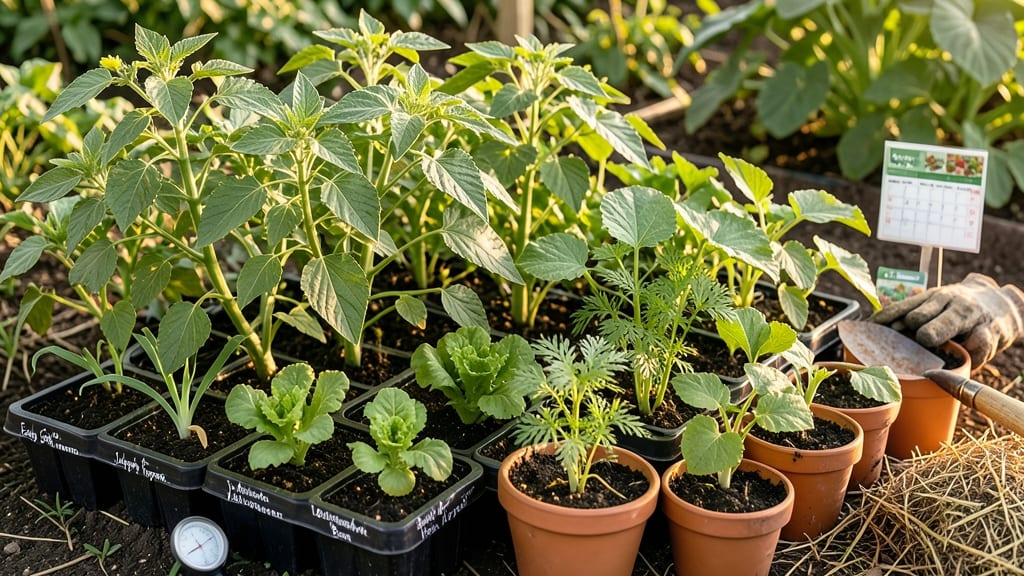
Timing your vegetable planting in Oklahoma isn't just about the calendar—it's about unlocking the perfect harvest before summer heat or early frosts ruin your hard work.
With Zone 7b's unpredictable swings from 90°F days to sudden chills, getting those seeds in the ground at the right moment makes all the difference.
I've seen gardeners in Oklahoma City and Tulsa struggle when they plant too early or too late—especially with heat-loving crops like okra or tomatoes.
The key isn't guessing; it's knowing when your soil warms up, when the last frost typically passes, and how to stretch your growing season with smart techniques. Let me show you exactly when to start each vegetable for maximum success.
From cool-season greens that thrive in spring to summer squash that needs warm soil, Oklahoma's climate demands precision. You'll discover month-by-month planting windows, tips for adjusting to microclimates, and how to avoid common mistakes that waste time and money.
Whether you're a beginner or a seasoned gardener, these insights will help you grow more food with less frustration.
Ready to transform your garden from "maybe next year" to "bountiful this summer"? Let's dive into the exact dates and strategies that work for Oklahoma's unique growing conditions—so you can enjoy fresh vegetables from your own backyard all season long.
Oklahoma Zone 7b planting calendar: exact dates for vegetables by type
Oklahoma’s Zone 7b climate gives gardeners a long growing season, but knowing the precise timing for each vegetable is key to avoiding frost damage or wasted effort.
The average last frost date in most of Oklahoma falls between March 15 and April 15, while the first frost typically arrives in October or November. Use this calendar to align your planting with Oklahoma’s cool-season and warm-season crops.
For cool-season vegetables like lettuce, spinach, and broccoli, start seeds indoors 6-8 weeks before your last frost or sow directly into the garden 4-6 weeks before. These crops thrive in 50-65°F soil temperatures and can tolerate light frosts.
Meanwhile, warm-season crops such as tomatoes, peppers, and squash need soil temperatures above 60°F—wait until after April 15 to plant them outdoors or start seeds indoors.
Here’s a breakdown of Oklahoma’s planting timeline for popular vegetables, including ideal transplant dates and harvest windows:
| Vegetable | Planting Time (Zone 7b) | Transplant Date | Harvest Time | Notes |
|---|---|---|---|---|
| Lettuce | March 1 – April 15, Sept 1 – Oct 15 | Direct sow | May – June, Oct – Nov | Bolt-resistant varieties for summer |
| Broccoli | Feb 15 – March 30, July 15 – Aug 15 | Start indoors 6 weeks prior | May – June, Sept – Oct | Use row covers for frost protection |
| Tomatoes | April 15 – May 15 (after frost) | Start indoors March 1 | June – Oct | Use black plastic mulch for warmth |
| Peppers | April 15 – May 15 | Start indoors Feb 15 | July – Oct | Slow to germinate; keep soil warm |
| Squash | May 1 – June 1 | Direct sow after soil warms | July – Sept | Plant after last frost; needs space |
| Green Beans | April 15 – June 1, Aug 1 – Sept 1 | Direct sow | June – July, Sept – Oct | Succession plant every 2 weeks |
| Okra | May 1 – June 15 | Direct sow after frost | July – Oct | Heat-loving; drought-tolerant |
For Oklahoma’s unique crops, like sweet potatoes and okra, timing is equally critical. Sweet potatoes thrive when planted in late spring (May) after the soil has warmed to 70°F or
How to adjust planting times for Oklahoma’s microclimates and soil conditions
Oklahoma’s diverse geography means planting dates vary dramatically between regions. While Oklahoma City’s Zone 7b averages a last frost around April 15, Tulsa’s slightly later May 1 date can delay your warm-season crops by weeks.
Even within cities, elevation changes of just 500 feet can shift frost dates by 7-10 days.
Soil temperature plays an equally critical role. Cold, clay-heavy soils in western Oklahoma may stay too cool for tomatoes until mid-May, while sandy soils in eastern Oklahoma warm up by early April. Always check soil temps with a soil thermometer—most vegetables need 60°F+ for germination.
Here’s how to fine-tune your schedule for Oklahoma’s unique conditions:
For container gardening, warm up soil in pots with black plastic mulch or heat mats to plant peppers and eggplants 2-3 weeks earlier than ground plantings. Containers also let you move heat-sensitive plants to shadier spots during 100°F+ heatwaves common in July.
Remember: Oklahoma’s first frost typically arrives October 31-November 15, but microclimates near lakes or urban areas can delay frost by 2-3 weeks. Use these tricks to extend your growing season and avoid wasted effort on crops that won’t mature in time.