
Plants
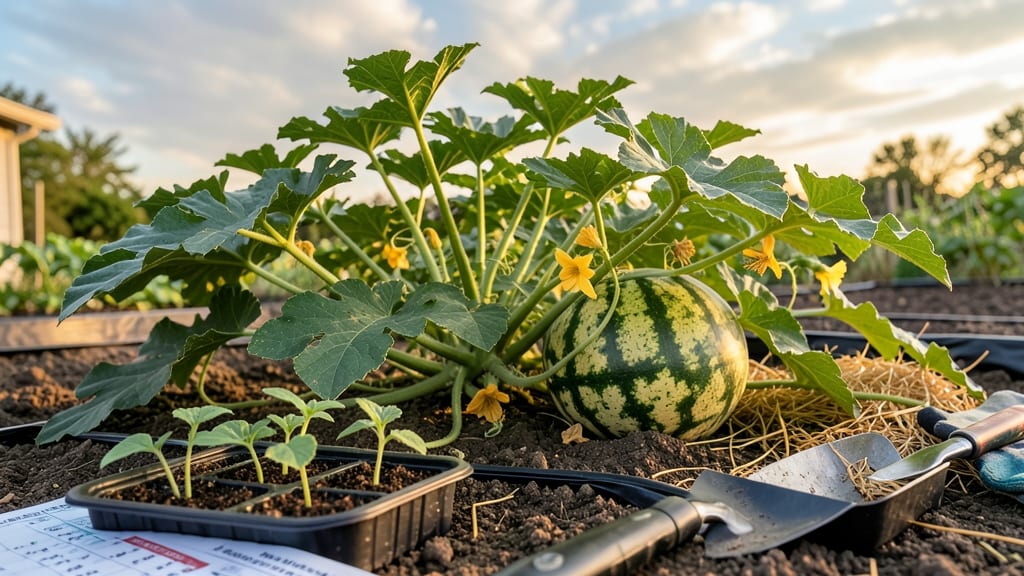
Planting watermelons in Alabama isn’t just about waiting for spring—it’s about timing your 🍉 seeds perfectly to beat the heat and outpace pests.
With USDA zones 7b-8a offering a long growing season, the window between mid-April and early June is your golden opportunity to grow sweeter, juicier melons than your neighbors.
But here’s the catch: Alabama’s unpredictable spring weather can turn a great plan into a soggy mess if you’re not careful. Whether you’re in the cooler north or the warmer south, soil temperature and frost dates play a bigger role than you might think.
I’ll show you exactly how to read the signs—so you can avoid the costly mistakes that leave gardeners scrambling in July.
Ready to harvest watermelons by July or August? The secret isn’t just patience—it’s knowing when to plant for your specific heat zone. From transplanting tricks to soil prep hacks, I’ve got the fast-track methods that work in Alabama’s climate. Let’s get those vines growing!
Skip the guesswork and start with the exact dates that separate a decent harvest from a bumper crop. Whether you’re a first-time gardener or a seasoned pro, these tips will help you grow watermelons that’ll have everyone asking for seconds.
Best planting dates for watermelons in Alabama’s heat zones (7-9)
Alabama gardeners know that timing is everything when it comes to growing watermelons. With heat zones 7-9 and unpredictable spring weather, planting too early can lead to frost damage, while waiting too long might shorten your harvest window.
The key is understanding your specific USDA zone and soil temperature needs—watermelons thrive when soil reaches 70°F or warmer.
In North Alabama (Zones 7A/7B), where frosts linger until mid-April, the safest window is mid-April to early May.
Meanwhile, Central Alabama (Zone 8A) gardeners can start as early as late March, and those in South Alabama (Zones 8B-9) can even begin in February if using protective measures like row covers. The goal is to have melons mature before the first frost, typically around November 15.
🌱
For gardeners in North Alabama (Zones 7A/7B), I recommend waiting until after your last frost date—usually mid-April—and using black plastic mulch to warm the soil faster. This gives your watermelon seeds the best chance to germinate quickly and avoid early-season pests.
In Central and South Alabama, where winters are milder, you can push the envelope slightly by planting as early as late February, but always monitor soil temperatures with a soil thermometer.
One common mistake is planting watermelon seeds too early in cooler zones, only to have them rot in cold soil. Instead, I suggest starting seeds indoors 4-6 weeks before your last frost and transplanting seedlings when soil temperatures are ideal.
This method gives you a 2-3 week head start on the growing season, which is especially helpful in Zone 7A where summers are shorter.
If you're growing heirloom varieties like 'Moon and Stars' or 'Crimson Sweet', aim for a 75-90 day variety to ensure they mature before Alabama’s first frost.
For faster results, opt for shorter-season varieties like 'Sugar Baby' or 'Yellow Doll', which can be ready in as few as 60 days. These varieties are perfect for Central and South Alabama where heat builds quickly in summer.
Another pro tip: Direct sowing is the preferred method for watermelons in Alabama because they hate being transplanted. However, if you’re in a cooler microclimate, starting seeds in biodegradable pots and transplanting them after soil warms can give you an earlier harvest.
Just be gentle with the roots to avoid transplant shock.
🌿
Don’t forget that Alabama’s humidity and occasional late spring rains can create ideal conditions for fungal diseases like powdery mildew. To combat this, choose disease-resistant varieties and space your plants 3-4 feet apart to improve air circulation.
If you notice yellowing leaves or white powder on vines, treat immediately with neem oil or a copper fungicide.
Finally, mark your calendar for July and August, when most Alabama-grown watermelons reach peak ripeness. The key to a sweet, juicy melon is patience—wait until the tendril nearest the fruit turns brown and dry before harvesting. This simple trick ensures you get the sweetest, most flavorful watermelons possible.
Best planting dates for watermelons in Alabama’s heat zones (7-9)
Alabama’s heat zones 7-9 create a unique challenge for watermelon growers—plant too early, and frost zaps your seedlings; wait too long, and summer heat stunts growth.
The sweet spot is between mid-April and early June, but your exact timing depends on whether you’re in North Alabama (7A/7B) or South Alabama (8A-9). I’ve broken it down so you can align your planting with local frost patterns and soil warmth.
For Zone 7A/7B (north), aim for April 15–May 1 after the average last frost date (March 15). Southern Alabama (Zones 8A-9) can start earlier—March 20–April 15—since warmer soils thaw faster.
But here’s the catch: soil temperature matters more than calendar dates. Watermelons need 70°F+ soil to germinate, so test it with a soil thermometer before planting.
🚨 NON-NEGOTIABLE RULE: Never plant watermelon seeds in cold soil—they’ll rot. Use black plastic mulch 2–3 weeks before planting to warm the ground faster. This trick lets you push your planting window 2–3 weeks earlier in cooler zones.
| Heat Zone | Last Frost Date | Optimal Planting Window | Soil Temp Requirement | Harvest Window |
|---|---|---|---|---|
| 7A/7B (North AL) | March 15 | April 15–May 1 | 70°F+ | July–August |
| 8A (Central AL) | March 1 | March 20–April 15 | 70°F+ | June–September |
| 8B–9 (South AL) | February 15 | February 28–April 1 | 70°F+ | May–October |
🌱 Pro Tip: Southern Alabama gardeners can even try an early February planting with row covers for a spring harvest!
If you’re direct sowing seeds (the preferred method for watermelons), plant 1 inch deep in hills spaced 3–4 feet apart. For transplants (less common but useful for short seasons), start seeds indoors 3–4 weeks before your target outdoor date.
Alabama’s humidity means seedlings need airflow, so avoid overcrowding trays.
Watch for soil moisture—watermelons wilt fast in dry conditions. After planting, mulch with straw or grass clippings to retain moisture and suppress weeds. This is especially critical in Zone 9, where summer heat can dry out soil in days.
A 3–4 inch mulch layer keeps roots cool and hydrated.
Timing your watermelon planting isn’t just about dates—it’s about reading your microclimate. Shade from nearby trees? Plant on the south side for extra sun. Heavy clay soil?
Amend with compost or sand before planting. These tweaks can shave 2–3 weeks off your growing season, giving you sweeter melons by July or August instead of September.