
Plants
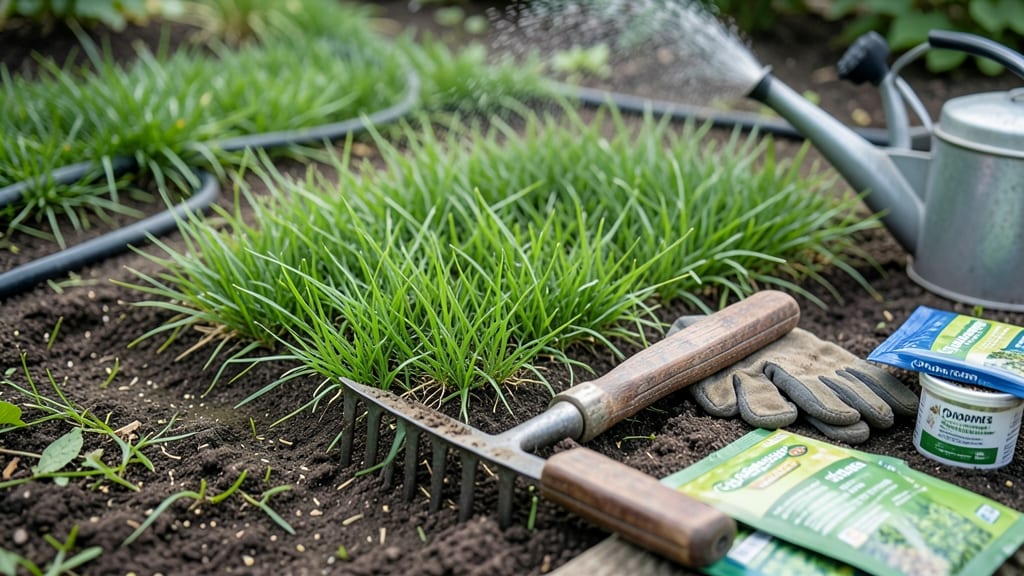
The best time to plant grass seed in spring isn't just about the calendar—it's about soil warmth and frost-free days that give your 🌱 sprouts their best shot at survival.
If you've ever watched your freshly planted grass struggle or fail to take root, you're not alone. The key to a thriving lawn starts with understanding your local climate and soil conditions.
Planting too early can leave tender seedlings vulnerable to late frosts, while waiting too long might mean battling summer heat before they establish.
I'll walk you through the science behind optimal planting windows, from soil temperature thresholds to last frost dates, so you can time your project perfectly for your region.
Whether you're in the northern US or southern hemisphere, these insights will help you avoid common mistakes and set your lawn up for success.
Get ready to transform your patchy yard into a lush carpet of green—all it takes is the right timing and a little preparation. Let's dive into what makes spring the ideal season for grass seed planting and how to maximize your chances of a flawless lawn.
Optimal spring planting timeline based on soil temperature & frost risk
Getting your grass seed in the ground at the right time is like catching a wave—too early and frost will stall growth, too late and summer heat stresses young roots. The ideal window balances soil warmth (50-65°F) with frost-free days, typically 4-6 weeks before your last spring frost.
This timing ensures seeds germinate before extreme heat arrives, giving roots time to establish before summer drought stress.
In most of the U.S. (USDA Zones 3-8), this means planting between early April and mid-May, but exact dates vary wildly—Zone 3 (northern climates) might wait until late May, while Zone 9 (southern climates) can plant as early as February.
The key is soil temperature, not just calendar dates: use a soil thermometer to confirm your lawn is consistently above 50°F.
For cool-season grasses (like Kentucky bluegrass or tall fescue), aim for early spring planting—these varieties thrive in cooler weather and need time to root before summer heat. Warm-season grasses (like Bermuda or Zoysia) prefer late spring planting, waiting until after the last frost when soil temps hit 65°F+.
Mixing these up? Stick to cool-season for early spring and save warm-season for late May-June.
Here’s the golden rule: Plant when your local extension office (or trusted gardening app) confirms 3-4 weeks of frost-free weather ahead. This gives seedlings time to grow 3-4 inches tall before summer’s intensity kicks in.
Pro tip: Check your microclimate—south-facing lawns warm up faster than shady spots, so adjust your timeline accordingly.
| Climate Zone | Ideal Planting Window | Soil Temp Threshold | Grass Type |
|---|---|---|---|
| USDA Zones 3-5 (Cold) | Early to mid-April | 50-55°F | Cool-season (Kentucky bluegrass, ryegrass) |
| USDA Zones 6-8 (Temperate) | Mid-April to early May | 55-60°F | Cool-season or transition blends |
| USDA Zones 9-10 (Warm) | February to early April | 60-65°F | Warm-season (Bermuda, Zoysia) |
| Southern Hemisphere | August to September | 50-65°F (opposite season) | Cool-season (reverse timing) |
🌱 Pro Tip: Use a soil thermometer to confirm temps before planting—don’t guess!
If you’re in a transition zone (like Zone 7), consider planting cool-season grass in early spring and warm-season grass in late summer for a two-season lawn.
This two-step approach ensures green coverage year-round, with each type thriving in its preferred temperature range. Just be prepared for overlap maintenance—you’ll manage two lawns!
Watch for false springs, where warm weather tricks you into planting too early. If nighttime temps dip below 40°F after seeding, cover new grass with row covers or frost blankets to protect tender sprouts.
A 5-day forecast of stable, mild weather is your best friend—plant when conditions promise consistent warmth for at least 2-3 weeks.
Don’t let rainy springs delay your planting. While consistent moisture is ideal for germination, waterlogged soil can suffocate seeds. If your area is flood-prone, opt for late spring planting (after peak rainfall) or use raised beds for seedling trays until conditions improve.
Always prioritize well-draining soil—seeds need air as much as water!
For northern climates, mark your calendar for Mother’s Day weekend (mid-May) as a general guideline—this is when most USDA Zones 4-6 see their last frost. In the southeast, St. Patrick’s Day (March 17) often signals the start of planting season, but verify with local data.
When in doubt, plant on the earlier side—you can always overseed later if
How to prepare your lawn for spring grass seed planting in 3 critical steps
Preparing your lawn before planting grass seed in spring isn't just about timing—it's about creating the perfect conditions for 90%+ germination success. Many gardeners skip this step and end up with patchy lawns because weeds compete for nutrients, compacted soil stifles roots, and uneven seedbeds lead to uneven growth.
Let me walk you through the three critical steps I always follow to ensure my grass seed thrives from day one.
First, you'll want to test your soil pH and amend it if needed. Grass prefers a slightly acidic to neutral soil, ideally between 6.0 and 7.0. Use a simple soil test kit from your local garden center—it's cheaper than guessing and redoing your entire lawn.
If your soil is too acidic (<6.0), add lime; if it's too alkaline (>7.0), work in sulfur or peat moss. I recommend testing at least 2-3 weeks before planting to give amendments time to work.