
Planting
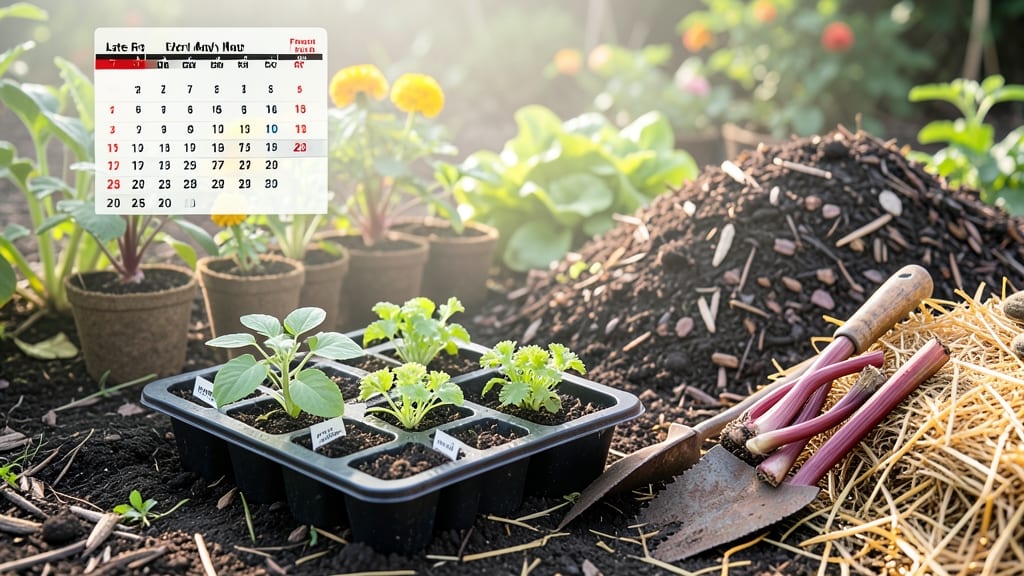
The best time to plant a garden in Ohio isn’t just about grabbing your seeds and heading outside—it’s about syncing with the state’s unique frost dates and microclimates to give your 🌱 Garden Vegetables (General) the fighting chance they deserve.
Ohio’s USDA Zone 6a means your planting window could be a tight squeeze between April 15 and May 15, but timing isn’t one-size-fits-all. Cool-season crops like lettuce and peas can handle early starts, while tomatoes and peppers need to wait for warmer soil—usually after the last frost.
Get it wrong, and you’re either staring at frozen seedlings or watching your summer harvests bolt before they ripen.
What if you could stretch your growing season by 4-6 weeks? With the right strategies—like row covers for early starts or succession planting for continuous harvests—you’ll turn Ohio’s short frost-free window into your garden’s superpower.
I’ll show you exactly how to plan around the state’s 165-day growing season and avoid the most common mistakes that waste hard-earned yields.
Whether you’re a first-time gardener or a veteran looking to maximize your plot, this guide cuts through the guesswork. You’ll learn the month-by-month planting calendar, zone-specific tips, and even how to cheat the system with cold frames.
Let’s get those seeds in the ground at the perfect moment—because in Ohio, timing really is everything.
Ohio’s frost-free dates by USDA hardiness zones: when to plant cool vs warm-season crops
Ohio spans USDA Hardiness Zones 5a to 6b, meaning frost dates vary dramatically—from April 15 in southern Ohio to May 15 in the north. These dates mark the difference between thriving gardens and frost-killed seedlings.
For example, Zone 5a gardeners (like those in Youngstown) must wait longer than Zone 6b growers (like those in Cincinnati) to plant warm-season crops like tomatoes.
Cool-season crops—such as lettuce, peas, and spinach—can handle light frosts and often thrive when planted 4-6 weeks before the last frost. Warm-season crops, like tomatoes, peppers, and cucumbers, need to wait until after the last frost and soil temperatures reach at least 50°F.
My Zone 6a garden in Columbus, for instance, typically plants tomatoes May 1–15 for a successful harvest.
Here’s how Ohio’s zones break down for planting:
| Zone | Last Frost Date | Cool-Season Planting Window | Warm-Season Planting Window | Example Crops |
|---|---|---|---|---|
| 5a (e.g., Youngstown) | April 20–May 5 | March 15–April 15 | May 15–June 1 | Lettuce, peas, kale, potatoes |
| 5b (e.g., Cleveland) | April 10–April 25 | March 1–April 10 | April 25–May 10 | Spinach, radishes, broccoli, beans |
| 6a (e.g., Columbus) | April 1–April 15 | February 20–March 20 | April 15–May 1 | Peas, lettuce, onions, tomatoes |
| 6b (e.g., Cincinnati) | March 25–April 5 | February 1–March 10 | March 25–April 15 | Cabbage, carrots, peppers, cucumbers |
In Zone 5a, where frosts linger later, I’ve learned to plant cool-season crops like kale in early March under row covers to jumpstart growth.
Meanwhile, in Zone 6b, I can start warm-season crops like basil as early as late March, provided I use black plastic mulch to warm the soil faster.
For warm-season crops, timing is critical. Tomatoes, for example, need 90–120 days to mature, so planting them too late means missing the harvest window before the first frost in October.
In my garden, I use heat-tolerant varieties like ‘Celebrity’ tomatoes to extend the season, but even these benefit from an early start.
Ohio’s fall planting window is just as important as spring. Many cool-season crops can be sown in August or September for a late harvest. For instance, spinach and radishes thrive when planted in early September, giving you fresh greens well into November before the ground freezes.
To avoid common mistakes, I always check the Ohio State University Extension’s frost date maps and adjust my planting schedule based on local microclimates. A north-facing garden bed, for example, stays cooler longer than a south-facing one, which may need earlier planting for the same variety.
Pro tip: Use biodegradable plant markers to track what you’ve planted and when. This helps me remember which crops need succession planting (like lettuce) and which are one-and-done (like corn). For example, I’ll plant bush beans every 2 weeks from May to July to ensure a steady supply.
Finally, don’t overlook perennials and flowers. Many, like asparagus and peonies, can be planted in early spring or fall—just avoid disturbing the roots during their active growing season. In my experience, fall-planted perennials often establish stronger root systems before winter.
🌱
Best planting calendar for Ohio gardens: month-by-month guide for vegetables, flowers, and herbs
Ohio’s planting calendar isn’t just about memorizing dates—it’s about matching your 🌱 garden vegetables with the state’s shifting weather patterns. In Zone 6a, your window for warm-season crops like tomatoes is tight, but cool-season greens can start as early as March if you take precautions.
I’ve broken down the best months for 12+ popular Ohio crops, including succession planting tips to keep your harvests rolling all summer.
Start with cool-season crops like peas and spinach in March or early April, even if the ground is still chilly. These hardy plants tolerate light frosts and can be ready to harvest by May.
Meanwhile, warm-season favorites like cucumbers and basil need to wait until after the last frost date (mid-April to early May), when soil temperatures hit 50°F+. Skipping this step means risking stunted growth or bolted greens.
Don’t stop at May—succession planting is your secret weapon for continuous harvests. For example, sow bush beans every 2 weeks from May through July to avoid a glut (and wasted pods).
Similarly, lettuce and radishes can be replanted every 3–4 weeks for a steady supply. Even in Ohio’s short growing season, this strategy adds 30–50% more yield without extra space.
For late-season crops, focus on heat-tolerant varieties like ‘Heatmaster’ tomatoes or ‘Malabar’ spinach, which can handle Ohio’s 90°F+ summers. And don’t overlook fall planting: broccoli, cabbage, and kale thrive when sown in August for harvests before the first frost (mid-October).
With these adjustments, you’ll turn Ohio’s 165-day growing season into a year-round harvest machine.