
Planting
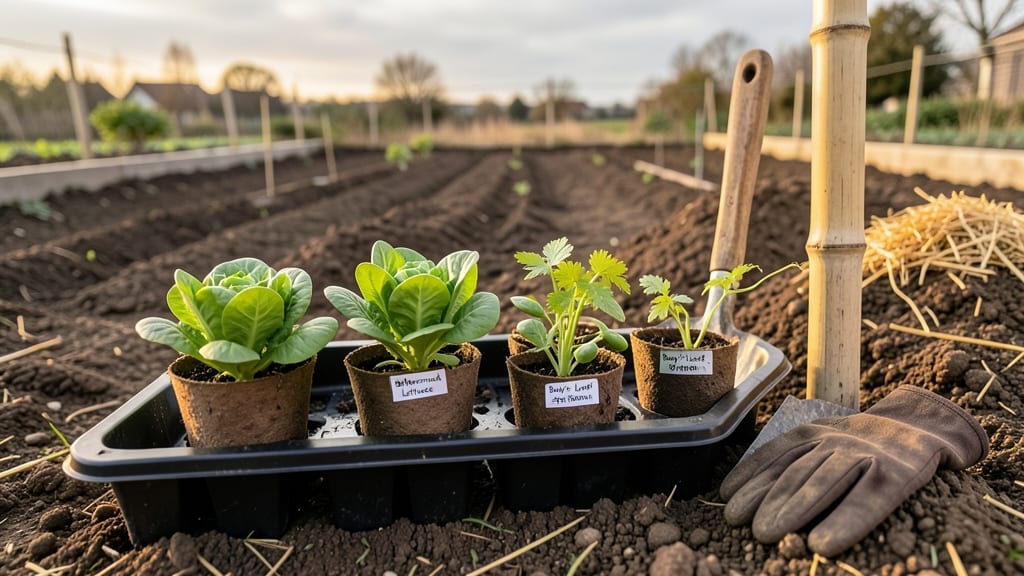
Timing your garden planting in Ohio isn't just about grabbing a shovel—it's the difference between a thriving harvest and a sad, wilted disappointment.
With Ohio's 6a zone and unpredictable frosts, knowing when to plant your 🌱 garden can mean the difference between zero-bolt tomatoes and bolted lettuce before you even taste it.
Most gardeners in Ohio wait until after the last frost date (usually around April 15), but that's just the starting line. The real secret lies in understanding which crops thrive in spring's cooler soil versus those that need summer's warmth.
Whether you're dreaming of crisp spring greens or juicy summer tomatoes, getting the timing right is everything.
Let's break down the science behind Ohio's planting windows so you can avoid common mistakes like planting heat-lovers too early or missing the fall harvest window. You'll learn exactly when to start seeds indoors, when to transplant seedlings, and how to stretch your growing season for maximum yields.
Ready to turn your Ohio garden from a gamble into a guaranteed success? I'll walk you through the perfect planting calendar for both spring and fall crops—so you can enjoy fresh vegetables from June all the way through October.
Ohio’s spring planting calendar: avoiding frost damage and bolting risks
Ohio’s last frost dates vary dramatically from north to south, making timing your spring garden a balancing act. Northern Ohio (zones 5a-5b) typically sees frost until mid-May, while southern Ohio (zones 6a-6b) averages April 15.
This two-week difference means your planting window could shift by 14 days—enough to determine whether your basil bolts or your spinach thrives.
To avoid frost damage, start with cold-hardy crops like peas, spinach, and kale 4-6 weeks before your average last frost date. These cool-season vegetables tolerate light frosts and even grow better in 50-60°F soil.
Use Ohio State University’s frost date calculator to pinpoint your local window—it’s your best tool for zero-bolt success.
🌱
| Region | Avg. Last Frost | Cold-Hardy Crops (Plant 4-6 Weeks Before) | Warm-Season Crops (Plant 2-3 Weeks After) |
|---|---|---|---|
| Northern Ohio (Zones 5a-5b) | Mid-May | Peas, Spinach, Kale, Lettuce, Radishes | Tomatoes, Peppers, Basil, Cucumbers |
| Southern Ohio (Zones 6a-6b) | April 15 | Onions, Broccoli, Cabbage, Swiss Chard | Green Beans, Squash, Eggplant, Herbs |
| Statewide Tip | Use row covers for early plantings | Extend season by 2-3 weeks | Wait for soil temps >60°F |
For heat-sensitive crops like lettuce and spinach, timing is everything. Plant them too early, and they’ll bolt (go to seed) before you harvest. Plant them too late, and they’ll wilt in summer heat.
Aim for April 1-May 15 in southern Ohio and May 1-June 1 in northern Ohio. If you’re unsure, test your soil temperature—cool-season crops need 50-60°F soil, while warm-season crops thrive at 60-70°F.
My pro tip: Use succession planting for fast growers like radishes and lettuce. Sow a new batch every 2 weeks to ensure a steady harvest. This works especially well in Ohio’s short growing season, where you want to maximize every square foot of garden space.
Don’t forget to harden off seedlings before transplanting. If you start plants indoors (like tomatoes or peppers), gradually expose them to outdoor conditions over 7-10 days. Skip this step, and your seedlings will shock and struggle—leading to stunted growth or even death.
Place them in a shady, sheltered spot first, then slowly increase sun exposure.
Ohio’s unpredictable weather can throw off even the best-laid plans. Keep an eye on the National Weather Service for frost warnings, and always have row covers or cloches on hand.
These simple tools can save your early plantings from a late frost and give you an extra 2-3 weeks of growing time.
If you’re planting tomatoes, peppers, or eggplants, wait until after your last frost date and ensure soil temperatures are above 60°F. These warm-season crops are finicky and won’t germinate in cold soil.
For extra insurance, use black plastic mulch to warm the soil faster—it can shave 1-2 weeks off your planting timeline.
🌿
Finally, don’t overlook soil preparation. Ohio’s clay-heavy soil can compact easily, leading to poor drainage and root rot. Amend your beds with compost or aged manure in fall or early spring to improve structure.
Aim for a pH of 6.0-7.0—most vegetables prefer slightly acidic to neutral soil. Test your soil in early spring and adjust as needed.
By following Ohio’s spring planting calendar and adjusting for your specific region, you’ll avoid the most common mistakes—like planting too early or ignoring soil temperature. With the right timing, your garden will reward you with vibrant plants and bountiful harvests all season long.
Best fall planting schedule for Ohio gardens: extending harvests without risk
Ohio’s fall planting season is your secret weapon for a garden that keeps giving long after summer’s heat fades. While spring planting gets all the attention, fall offers a longer harvest window and cooler temperatures that reduce pest pressure.
The key? Starting 6-8 weeks before your first frost (usually mid-September in Ohio) to give crops time to mature before winter sets in.
Unlike spring, where you race against frost, fall planting lets you stretch your growing season by choosing crops that thrive in cooler weather. Think leafy greens, root vegetables, and brassicas—all of which can handle a light frost and even improve in flavor after a few chilly nights.
But timing is everything: plant too late, and your carrots won’t reach maturity before the ground freezes.
Here’s my step-by-step guide to nailing fall planting in Ohio, including ideal transplant dates, soil temperature tricks, and how to avoid the #1 mistake (planting too close to frost).
You’ll learn which crops to prioritize, how to succession plant for continuous harvests, and when to stop watering to prep for winter.
- Mid-August: Start cool-season seeds indoors (e.g., broccoli, cabbage) or buy transplants for early fall harvests.
- Late August: Direct-sow fast-maturing crops (radishes, spinach, turnips) for 60-day harvests before frost.
- Early September: Transplant broccoli, kale, and carrots—these handle light frosts and taste sweeter after cold snaps.
- Mid-September: Plant garlic and onions for next year’s harvest (they need cold to bulb properly).
- Late September: Succession-sow lettuce and arugula every 2 weeks for continuous harvests until frost.
- Early October: Cover hardy greens (kale, Swiss chard) with row fabric to extend harvests into winter.
One of the biggest mistakes Ohio gardeners make is ignoring soil temperature. Fall crops like peas and lettuce need soil temps between 40-70°F to germinate.
If your soil is still too warm (above 75°F in late summer), wait a week or two—hot soil can prevent seeds from sprouting or cause them to bolt.
Pro tip: Use a soil thermometer to check temps before planting. If your soil is still warm, try shade cloth or wait until nighttime temps drop below 75°F. For extra insurance, mulch heavily after planting to regulate soil temps and retain moisture as winter approaches.
Don’t forget about succession planting—this is how you turn a one-time harvest into a month-long feast. For example, sow radishes every 2 weeks from late August through mid-September.
The first batch will be ready in 30 days, while the last batch might harvest just before frost. It’s like having a self-replenishing garden!
By following this schedule, you’ll avoid the heartbreak of frost-killed crops and enjoy fresh harvests long after your summer tomatoes are gone. Plus, fall planting gives your soil a nutrient boost from decaying plant matter, setting the stage for next spring’s success.
Ready to turn your Ohio garden into a fall harvest machine?