
Plants
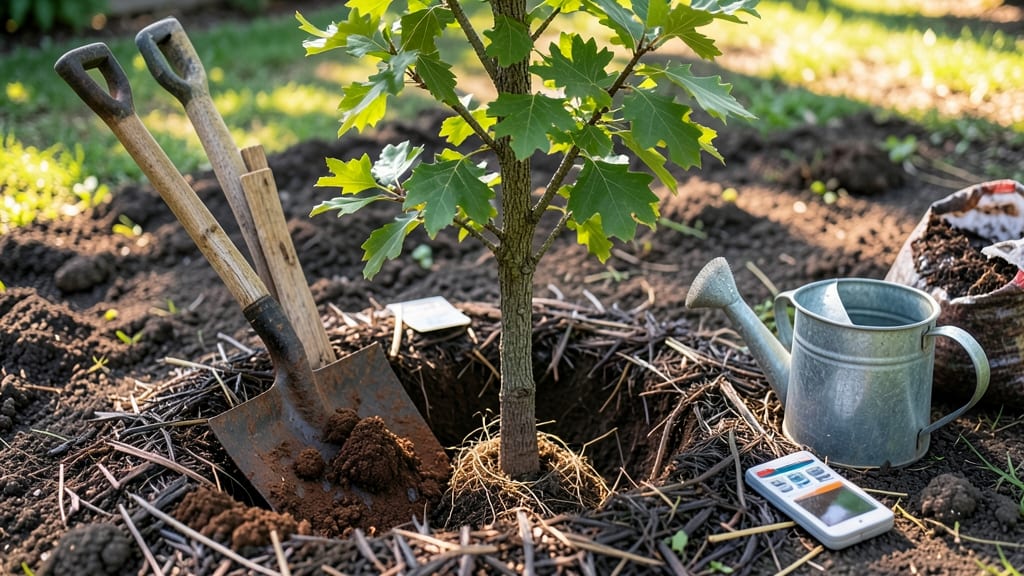
Timing your tree planting in Iowa can mean the difference between a thriving 🌳 and a struggling sapling struggling to survive. The best time to plant a tree in Iowa isn't just about the calendar—it's about understanding your local frost dates, soil conditions, and even which species you're planting.
For most of Iowa's 5a-6b zones, early spring (March-April) offers the perfect balance of warm soil and cool air that helps roots establish before summer heat sets in.
But fall planting can also work wonders if you get your trees in the ground before the first frost hits around mid-October.
I'll walk you through exactly when to plant based on your specific Iowa location, which tree species grow best in your zone, and how to prepare your soil for maximum success. No more guessing—just science-backed timing that gives your new tree the strongest possible start.
Whether you're planting a shade tree for your backyard or restoring native forests, these insights will help you make the most of Iowa's growing season. Let's get your tree off to the right start—because the best time to plant was last year, but the second-best time is right now.
Iowa tree planting calendar: frost-free windows by hardiness Zone (4a-5b)
Iowa’s USDA hardiness zones 4a-5b create distinct planting windows for trees, where timing directly impacts survival rates. The ideal frost-free window spans from early spring to early fall, but exact dates vary by northern vs. southern Iowa.
For example, northern Iowa (Zone 4a) has a shorter window than southern Iowa (Zone 5b), where warmer microclimates extend the season.
Most gardeners in Iowa focus on two prime planting periods: early spring (after last frost) and fall (6-8 weeks before first frost). This strategy lets trees establish roots in cool, moist soil—critical for survival.
However, bare-root trees must be planted while dormant, so spring planting is ideal for them.
To pinpoint your exact window, check the average last frost date (typically mid-April in northern Iowa, early April in the south) and first frost date (usually mid-October in the north, late October in the south). Local agricultural extensions or weather stations provide precise data.
Soil temperature is another key factor. Trees thrive when soil is above 40°F (4°C)—a threshold reached by late March to early April in most of Iowa. Use a soil thermometer to confirm before planting. Cool soil slows root growth, leaving trees vulnerable to stress.
Container-grown trees offer more flexibility, allowing planting year-round except in extreme heat or cold. However, fall planting remains superior for most species, as cooler temps reduce transplant shock and encourage deep root development before winter.
Iowa’s unpredictable late frosts (especially in Zone 4a) demand caution. Young trees planted in spring may face secondary dormancy if a late frost hits. To mitigate this, choose cold-hardy species like bur oak, sugar maple, or hackberry, which tolerate brief cold snaps better than tender varieties.
Here’s how Iowa’s zones break down for optimal planting:
| Zone | Last Frost Date | First Frost Date | Best Planting Window | Soil Temp Threshold |
|---|---|---|---|---|
| 4a (Northern IA) | Mid-April | Mid-October | Early May–early June | 40°F (4°C) |
| 4b (Central IA) | Early April | Late October | Late April–mid-June | 40°F (4°C) |
| 5a (Southern IA) | Late March | Early November | Early April–early July | 40°F (4°C) |
| 5b (Extreme SW IA) | Early April | Mid-November | Mid-March–mid-July | 40°F (4°C) |
🌱 Note: Fall planting extends to 6-8 weeks before first frost in all zones.
For container-grown trees, you can push boundaries slightly—planting as late as early July in Zone 5b or mid-July in Zone 4a—provided you water deeply and mulch heavily to offset heat stress. However, bare-root trees must be planted while dormant, so stick to early spring or fall for these.
Pro tip: If you’re unsure about frost dates, use heat mats or row covers for young trees in spring. These protect tender foliage from late frosts while roots establish. In fall, water thoroughly before ground freezes to prevent drought stress during winter.
Finally, avoid planting during Iowa’s extreme weather events, like prolonged droughts or heavy rains. Compacted or waterlogged soil can suffocate roots, leading to poor establishment. Always amend soil with compost before planting to improve drainage and fertility.
5 Critical factors that determine the best planting time in Iowa (beyond the calendar)
While Iowa's frost-free windows give you a general timeline, the best planting time depends on more than just the calendar. Understanding these 5 critical factors will help you adjust your schedule for maximum success, especially in Iowa's unpredictable climate.
First, soil temperature is your best friend. Roots need soil that's at least 40°F (4°C) to grow actively. In Iowa, this usually means waiting until mid-April in most zones, but cooler northern areas may need to wait until late April or early May.
Use a soil thermometer to check—don't guess!
Next, rainfall patterns play a huge role. Iowa's spring can be wet or dry, and planting during prolonged drought conditions stresses young trees. Aim for a window with consistent moisture—typically April through early June—when rainfall is more predictable.
If you're planting in fall, do it 6-8 weeks before frost to allow roots to establish before winter.
Soil Temperature
Wait until soil reaches 40°F (4°C)—use a thermometer for accuracy. Northern Iowa may need to wait until late April.
Rainfall Patterns
Aim for April-June when rainfall is consistent. Avoid planting during prolonged droughts or heavy rain periods.
Tree Species Maturity
Bare-root trees need dormant planting (fall or early spring). Container-grown trees adapt better to warm-season planting (May-June).
Don't overlook tree species maturity. If you're planting bare-root trees, they thrive when planted dormant—either in early spring (before buds swell) or fall (6-8 weeks before frost). Container-grown trees, however, can handle warm-season planting (May-June) because their roots aren't exposed to cold stress.
For example, oaks and maples prefer fall planting, while fruit trees often do better in spring.
Iowa's unpredictable late frosts can derail even the best-laid plans. Always check your local frost dates (typically mid-October for most of Iowa) and be ready to adjust. If you're planting in late spring, choose fast-growing species like willows or poplars that can outpace frost risks.
For fall planting, opt for hardy natives like bur oaks or hackberries that can handle cold snaps.
Finally, root development stages matter more than you might think. Trees planted in spring have 4-6 weeks of active root growth before summer heat sets in, while fall-planted trees focus on root establishment before dormancy.
If you're in northern Iowa (Zone 4a), prioritize fall planting to give roots time to harden off before winter. In southern Iowa (Zone 5b), spring planting often gives roots a head start before summer droughts kick in.
By considering these factors, you'll avoid common mistakes like planting too early (risking frost damage) or too late (limiting root growth). The key is flexibility—adjust your timeline based on soil conditions, weather forecasts, and your tree species.
With the right approach, your tree will establish twice as fast and thrive for decades. 🌳