
Flowers
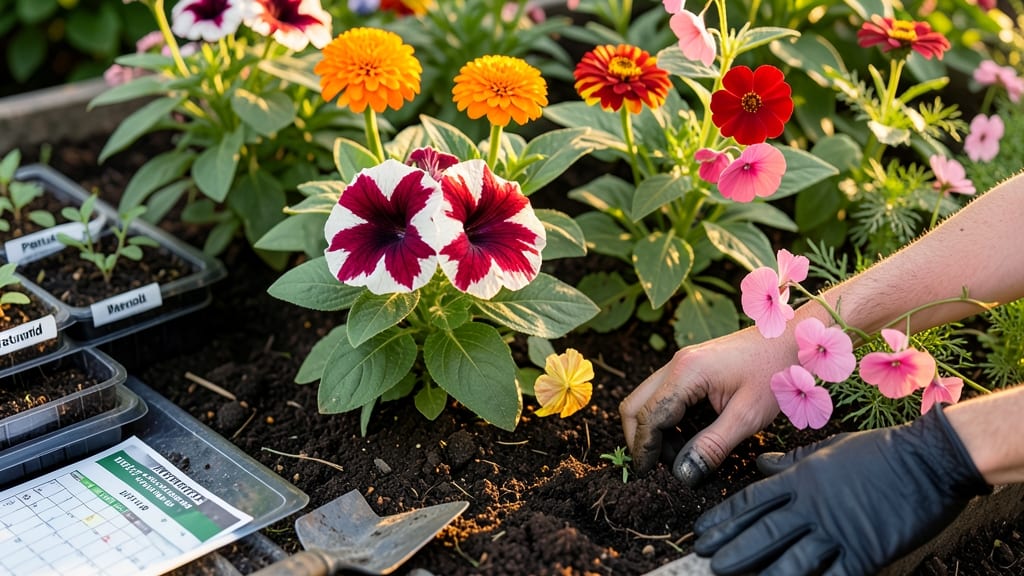
Timing your flowers planting in Ohio can mean the difference between a garden bursting with color and one that never quite takes off. The 6a zone’s unpredictable frosts make getting it right tricky—but with the perfect window, you’ll enjoy vibrant blooms from spring through fall.
Most gardeners in Ohio plant 🌸 in early spring (after the last frost around April 15) or early fall (4-6 weeks before the first frost in October). But did you know some varieties thrive better in one season over the other?
Annuals like zinnias love the warm soil of spring, while perennials like coneflowers prefer fall’s cooler temperatures.
You’ll also want to account for Ohio’s microclimates—urban areas like Columbus may warm up faster than rural spots near Toledo. The key is knowing your zone’s frost dates and choosing flowers that match your garden’s conditions. Let’s break down the best strategies for a showstopping Ohio garden.
Ready to transform your yard? I’ll walk you through the exact planting windows, soil prep tips, and even how to extend your growing season with simple tricks. No more guessing—just guaranteed blooms all season long.
Ohio planting zones & frost-free dates by month (2024 guide)
Ohio’s 11 USDA planting zones (ranging from 4b to 6b) mean frost dates can vary by 2-3 weeks between northern and southern regions. For example, Toledo’s last frost typically arrives by April 15, while Cincinnati often sees frost-free soil by April 1.
These differences are critical for choosing the right planting window for your annuals, perennials, and bulbs.
To avoid frost damage, always check your local last average frost date (use the Old Farmer’s Almanac or Ohio State University Extension for updates).
For most of Ohio, the ideal planting window for spring flowers opens after Mother’s Day weekend, but cooler zones (like Cleveland) may need to wait until mid-May. Fall planting should begin 4-6 weeks before your first frost, usually by late August to early September.
Key rule: Never plant frost-sensitive flowers (like impatiens or marigolds) until soil temperatures reach at least 60°F. Use a soil thermometer to check—cold soil can stunt root growth even if air temperatures are warm.
Ohio’s microclimates (urban heat islands, lake effects, and valleys) can shift frost dates by 10+ days. For instance, Columbus’s downtown may warm up faster than rural Appalachian areas. Always observe your garden’s specific conditions for 3+ years to refine your planting schedule.
🌱
| Zone | Avg. Last Frost | Spring Planting Window | Fall Planting Window | Best Flowers |
|---|---|---|---|---|
| 4b (Northeast OH) | May 10–15 | After May 20 | Aug 15–Sept 1 | Pansies, Snapdragons, Coneflowers |
| 5a (Columbus) | April 25–May 5 | After May 10 | Aug 20–Sept 10 | Tulips, Peonies, Black-Eyed Susans |
| 6a (Cincinnati) | April 10–20 | After April 25 | Sept 1–15 | Dahlias, Zinnias, Coreopsis |
| 6b (Toledo) | April 5–15 | After April 20 | Sept 5–20 | Lavender, Salvia, Russian Sage |
For bulbs like tulips and daffodils, plant in fall (October–November) when soil temps drop below 60°F. This gives roots time to establish before winter. In Zone 4b, cover bulbs with 4–6 inches of mulch to protect them from freezing.
Ohio’s first frost typically arrives between October 10 (southern Ohio) and October 25 (northern Ohio). Use this date to schedule fall-planted perennials (like aster or chrysanthemum) so they have time to root before winter.
For tender annuals, wait until late May or early June to plant heat-lovers like sunflowers or marigolds.
Pro tip: If you’re in Zone 5a or cooler, start pansies and violas indoors in late winter (February) for early spring color. These cold-hardy annuals can handle light frosts and even bloom in 30°F temperatures.
🌿
Always monitor weekly weather forecasts in April and May—false springs (warm spells followed by late frosts) can wipe out young seedlings. If nighttime temps drop below 32°F after planting, cover delicate flowers with frost cloth or a lightweight row cover.
For container gardening, you can push planting dates
Best flowers to plant in Ohio by season (cold-hardy vs. heat-loving varieties)
Ohio’s diverse climate lets you grow a stunning array of flowers year-round, but choosing the right seasonal varieties makes all the difference. In spring, cold-hardy pansies and tulips thrive, while summer-blooming zinnias and black-eyed Susans dominate the heat.
For fall, mums and asters shine, and even winter bloomers like snowdrops add color under Ohio’s snow.
Native Ohio plants like coneflowers and bee balm are low-maintenance and attract pollinators. Meanwhile, drought-resistant varieties such as lavender and salvia thrive in Ohio’s occasional dry spells. Let’s break down the best picks for each season to maximize your garden’s beauty and resilience.
🌸 Top Spring Flowers (Plant after last frost)
- Tulips (March-April): Cold-hardy bulbs that bloom early; plant in fall for spring color.
- Pansies (March-May): Heat-tolerant annuals that thrive in cool weather.
- Daffodils (March-April): Deer-resistant and drought-tolerant once established.
- Sweet Alyssum (March-June): Fragrant ground cover that attracts beneficial insects.
- Bleeding Heart (April-June): Shade-loving perennial perfect for woodland gardens.
For summer blooms, focus on heat-loving annuals like zinnias and marigolds, which thrive in Ohio’s 80°F+ temperatures. Perennials such as black-eyed Susans and daylilies return year after year with minimal care. If your garden gets partial shade, try impatiens or coleus for vibrant foliage.
☀️ Top Summer Flowers (Plant after May 15)
- Zinnias (June-Sept): Drought-tolerant annuals with long vase life.
- Black-Eyed Susans (July-Sept): Native perennial that attracts butterflies.
- Marigolds (June-Oct): Pest-repellent and sun-loving annuals.
- Lantana (June-Frost): Heat-proof shrub with clustering blooms.
- Sunflowers (June-Sept): Fast-growing annuals that thrive in poor soil.
Fall is the perfect time to plant perennials and bulbs for next year’s color. Mums and asters provide late-season autumn blooms, while crocuses and hyacinths can be planted in October for spring surprises. For winter interest, hellebores and winter jasmine add structure and color under snow.
Pro tip: Use Ohio-native flowers like coneflowers and bee balm to reduce watering and attract pollinators. These varieties are low-maintenance and drought-resistant, making them ideal for Ohio’s variable weather. Always check your local frost dates and adjust planting times accordingly!