
Plants
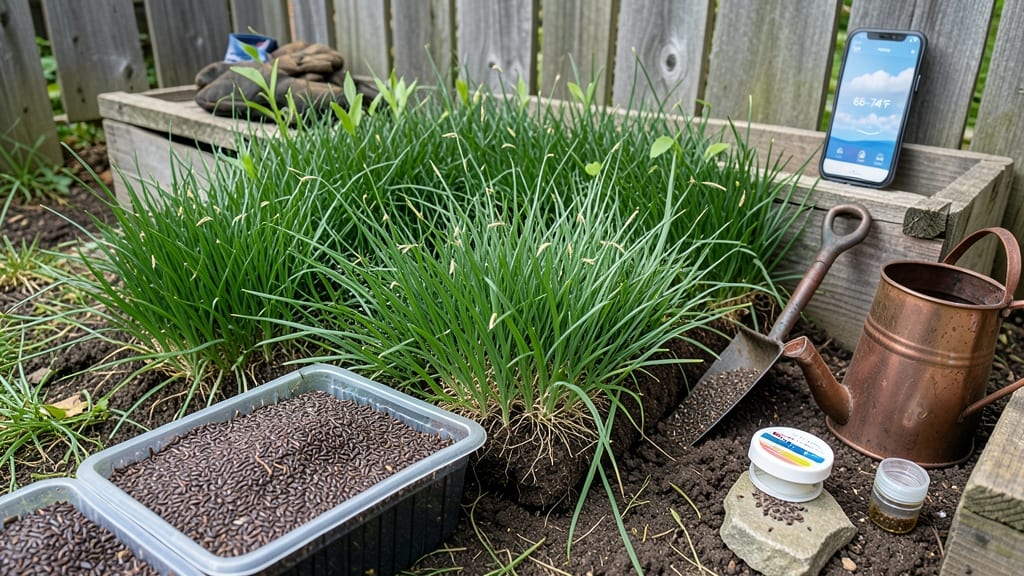
Timing your grass (🌱 turfgrass) planting in Georgia could mean the difference between a lush, green lawn and months of frustration. If you plant too early or too late, you risk slow germination, weed takeover, or even failed growth—especially in Georgia’s 7a-8b climate where heat and humidity play major roles.
Most Georgia homeowners don’t realize that early spring (March-April) and early fall (August-September) are the only true sweet spots for planting. These windows align perfectly with soil temperatures between 60-70°F, giving your grass the ideal conditions to take root before summer’s brutal heat or winter’s dormancy sets in.
Whether you’re seeding or laying sod, getting this right isn’t just about picking a month—it’s about understanding your region’s microclimate. Coastal areas near Savannah have different needs than Piedmont’s drier soil, and skipping soil prep can turn even the perfect timing into a disaster.
I’ll break down exactly what to do in each season, from soil prep to watering schedules, so you can skip the guesswork and get that fast, healthy establishment you’re after. Let’s make sure your lawn starts strong.
Georgia’s ideal grass planting seasons: spring vs. fall timing explained
Georgia’s humid subtropical climate creates two perfect windows for planting grass: early spring and early fall. These seasons offer ideal soil temperatures (60-70°F), consistent rainfall, and fewer pests—critical factors for seed germination and root establishment.
Spring planting (March-April) lets you capitalize on warming soil and increasing daylight, while fall planting (September-October) avoids summer heat stress. Both seasons give grass 6-8 weeks of active growth before extreme temperatures arrive, setting the stage for a resilient lawn.
Georgia’s three distinct regions—Coastal Plain, Piedmont, and Mountains—each have slightly different microclimates. Coastal areas stay warmer longer, while mountain regions experience earlier frosts. I’ll break down the best timing for each zone to ensure your grass thrives.
🌱
| Season | Best Planting Window | Soil Temp | Rainfall | Key Advantages |
|---|---|---|---|---|
| Spring | March–April | 60–70°F | Moderate | Warm soil, increasing daylight, fewer weeds |
| Fall | September–October | 65–75°F | High | Cooler temps, reduced pests, strong root growth |
| Avoid | Summer (June–August) | Above 80°F | Low (drought risk) | Heat stress, poor germination, weed competition |
| Avoid | Winter (November–February) | Below 50°F | Variable | Slow growth, frost damage, seed dormancy |
Spring planting in Georgia typically kicks off in early March once soil temperatures stabilize above 60°F. This timing aligns with the last average frost date (around March 15 in most regions), giving seeds time to germinate before summer’s intense heat arrives.
For sodding, spring is ideal because warm soil promotes rapid root establishment.
Fall planting, however, often yields the healthiest lawns in Georgia. The September-October window provides warm soil, cooler air, and consistent rainfall—perfect conditions for grass to develop deep roots before winter dormancy. Many Georgia gardeners swear by fall planting because it minimizes weed competition and reduces watering needs.
If you’re in North Georgia (Mountains), aim for late April to early May in spring or late August to September in fall, as these areas experience earlier frosts. South Georgia (Coastal Plain) can plant slightly later—April-May in spring or September-October in fall—thanks to milder winters and longer growing seasons.
Regardless of season, always test your soil pH (ideal range: 6.0–7.0) and amend with compost or lime if needed. Proper soil prep is the foundation for successful grass establishment, no matter when you plant.
🌿
How to choose the right grass type for Georgia’s climate and planting season
Georgia’s diverse climate zones—from the humid coastal plains to the milder Appalachian foothills—mean your grass choice depends on seasonal timing and microclimates. Cool-season grasses thrive in spring/fall, while warm-season types dominate summer heat. Let’s match your lawn to Georgia’s USDA Zones 7a-8b for year-round success.
For spring planting (March-April), cool-season grasses like tall fescue and Kentucky bluegrass are ideal—they germinate quickly in 60-70°F soil and handle Georgia’s mild winters.
In fall (August-September), these same grasses establish deep roots before winter, outcompeting weeds. Warm-season grasses, however, like Bermuda or Zoysia, need late spring/early summer planting to avoid winter dormancy struggles.
| Grass Type | Best Planting Season | Drought Tolerance | Shade Performance |
|---|---|---|---|
| Tall Fescue | Spring/Fall | Moderate | Good (30-50% shade) |
| Bermuda | Late Spring | High | Poor (<20% shade) |
| Zoysia | Early Summer | Very High | Moderate (30-40% shade) |
| Centipede | Late Spring | Moderate | Good (40-50% shade) |
If you live in coastal Georgia (Zone 8a), Bermuda grass or St. Augustine handle humidity and heat, but they go dormant in winter. For Piedmont regions (Zone 7b), tall fescue blends offer year-round greenness with minimal dormancy.
In mountain areas (Zone 7a), Kentucky bluegrass thrives but needs fall fertilization to survive winter freezes.
Shade is another key factor. Centipede grass tolerates 40-50% shade, making it perfect for wooded backyards in Atlanta, while Bermuda struggles in low-light areas.
Test your lawn’s sunlight with a sunlight meter or observe shadows from 10 AM to 2 PM—this determines your grass variety’s success rate.
Pro tip: Mix cool-season and warm-season grasses for a year-round green lawn. For example, tall fescue (fall/spring) + Bermuda (summer) creates a low-maintenance hybrid that adapts to Georgia’s changing seasons. Just ensure proper soil pH (6.0-7.0) and adequate drainage before planting.
Remember, sod vs. seed also affects timing. Sod establishes faster but costs more, while seed requires 4-6 weeks of consistent moisture. Choose seed for fall to avoid summer weeds, or sod in spring for instant coverage. Your Georgia lawn’s long-term health starts with the right grass and timing!