
Plants
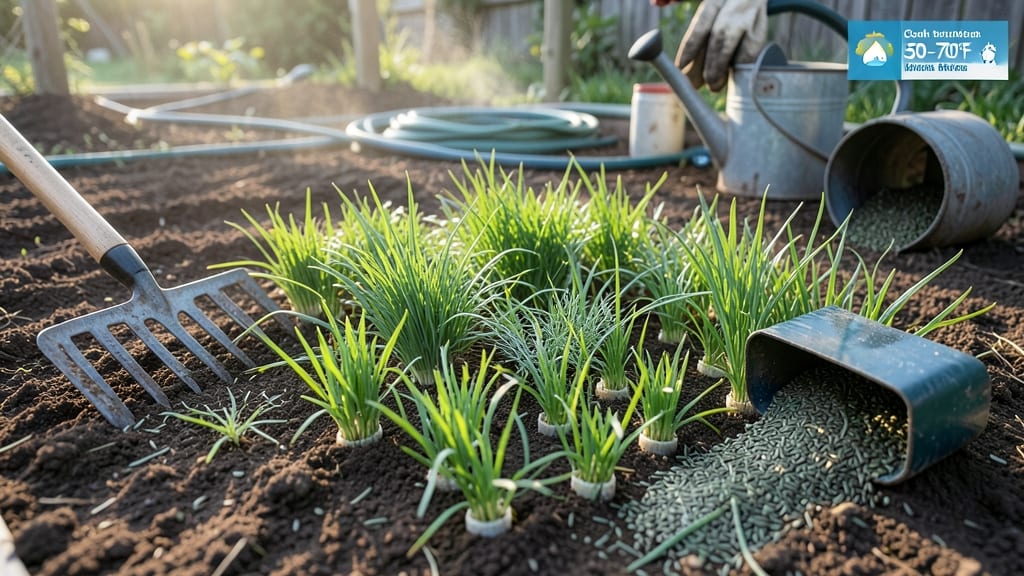
If you’ve ever stared at a patchy lawn wondering when is the best time to plant grass in Michigan, you’re not alone. Michigan’s 5b-6b climate throws a curveball—too early, and frost zaps your seedlings; too late, and summer heat stresses them before they take root.
The sweet spot? Planting when soil hits 55–65°F and you’re at least 4–6 weeks from the first frost.
For most Michigan lawns, that means early April or early September—but timing isn’t one-size-fits-all. The Upper Peninsula’s cooler temps might push you toward late April, while southern Michigan could start as early as March. Soil temperature is your real guide, not just the calendar.
Skip the guesswork and let’s break down the exact window for your region.
Here’s the game-changer: spring planting gives you a head start, but fall planting often yields stronger roots before winter. I’ll show you how to align your schedule with Michigan’s frost-free window—plus the critical soil prep steps to avoid common mistakes that turn green dreams into brown patches.
Ready to ditch the uncertainty? By the end, you’ll know exactly when to plant, what seeds to pick, and how to keep your 🌱 grass thriving year-round—no more second-guessing. Let’s get started.
Michigan grass planting timeline: soil temperature & frost-free window rules
Michigan’s cool-season grasses like Kentucky bluegrass and tall fescue thrive when planted during optimal temperature windows, but timing varies dramatically between the Upper Peninsula (UP) and Lower Peninsula (LP). The key? Plant when soil temperatures hit 50-65°F and you’re at least 4-6 weeks from frost.
In Michigan, this typically means early April to mid-May for spring and mid-September to early October for fall.
Why does this matter? Grass seeds need consistent warmth to germinate but can’t handle late spring frosts or early fall freezes. The UP’s shorter growing season (USDA zones 4b-5a) demands earlier planting than the LP’s 5b-6a zones.
For example, Marquette’s last frost is often May 10, while Detroit’s is April 20—a 3-week difference that can make or break your lawn.
To pinpoint your exact window, check the NOAA frost probability maps for your county. Most Michigan regions have a 150-180 frost-free day window, but urban areas like Ann Arbor may extend this by 10-14 days due to the heat island effect.
Pro tip: Use a soil thermometer (available for $15) to verify temperatures—surface temps can be 10°F warmer than root-level readings.
🌱 Michigan Grass Planting Timeline
| Season | Ideal Planting Window | Soil Temp Requirement | Key Considerations |
|---|---|---|---|
| Spring | Early April–Mid-May | 50–65°F (10–18°C) | UP: Wait until May 1; LP: April 15–30 |
| Fall | Mid-September–Early October | 50–65°F (10–18°C) | Plant 4–6 weeks before first frost; avoid late Oct |
| Spring vs. Fall | Both viable | Same temp range | Fall: Less weed competition; Spring: Faster establishment |
*Data based on Michigan State University Extension averages (2023).
Spring planting offers faster germination (2–3 weeks) but risks late frost damage—especially in the UP. Fall planting, however, gives seeds 6–8 weeks to establish roots before winter, reducing spring weeds.
For Michigan’s climate, fall is often the safest bet: Seeds germinate slowly in cool soil, avoiding summer heat stress while still putting down deep roots.
One common mistake? Planting ryegrass mixes in northern Michigan. While ryegrass germinates quickly, it bolts in heat and turns brown by July—ideal for temporary cover but terrible for lawns.
Instead, opt for tall fescue blends (like ‘Baron’) or fine fescue, which handle Michigan’s humid summers and cold winters far better. Always check the seed tag for cool-season grass percentages—they should be 100%.
Another critical factor is soil preparation timing. Test your soil’s pH (6.0–7.0 ideal) and organic matter (3–5%) 2–3 months before planting. If you’re seeding in April, conduct tests in February to allow time for amendments like lime or compost.
Pro move: Use a cover crop (like winter rye) in fall to prevent erosion and improve soil structure before spring planting.
For sod vs. seed, timing shifts slightly. Sod can be laid 2 weeks earlier than seed (as early as March in southern LP) because the root zone is already established.
However, sod requires immediate watering (1 inch daily for 2 weeks) to root, while seed needs consistent moisture for 3–4 weeks. If you’re torn, consider hydraulic seeding—a Michigan-friendly method that uses mulch and tackifier to hold seed in place during windy spring conditions.
Remember: Michigan’s microclimates can vary 10°F+ within 20 miles. A south-facing slope in Traverse City may warm up enough for late March planting, while a shady valley in Houghton could delay germination until mid-May.
Always scout your site for 3–5 days before planting to spot frost pockets or late-spring frosts—your local Cooperative Extension office can provide hyper-local data.
5 Critical factors that determine your Michigan grass planting success (beyond just timing)
Timing your grass planting right is just the first step—Michigan’s diverse microclimates and soil types can make or break your lawn’s success. Even with perfect timing, clay-heavy soils in Detroit or sandy loam in Traverse City require different prep work.
I’ve seen homeowners rush into seeding without testing their soil pH, only to watch weeds take over because the grass couldn’t compete.
Another game-changer is your seed variety. Cool-season grasses like Kentucky bluegrass and tall fescue dominate Michigan lawns, but ryegrass struggles in the Upper Peninsula’s shorter growing season. Choosing the wrong mix can mean thin patches or extra maintenance.
For example, ‘Baron’ fescue thrives in northern MI’s cooler summers, while ‘Midnight’ bluegrass handles southern MI’s heat better.
Here’s the kicker: water availability often decides whether your grass survives the first summer. Urban areas like Grand Rapids face water restrictions in drought years, while rural spots might get too much rain, leading to fungal diseases.
Even if you plant at the perfect time, inconsistent moisture can turn your lawn into a mud pit or a crispy brown mess.
🌱
🔍 5 Michigan-Specific Mistakes to Avoid
Ryegrass needs longer growing seasons—it bolts in UP’s short summers.
Clay holds moisture but compacts easily—amend with compost before planting.
Seedlings need light, frequent watering—not drowning. Use a sprinkler on low.
South-facing slopes dry out faster—plant drought-tolerant fescue there.
New grass needs 4-6 weeks to establish before herbicides burn it.
Let’s talk soil temperature next—because even if you pick the right month, the ground might still be too cold. Cool-season grasses like bluegrass need soil temps between 50-65°F to germinate. Use a soil thermometer (they’re cheap!) to check before seeding.
I’ve had clients plant in early April only to watch their seed sit dormant for weeks because the soil was still chilly.
Finally, don’t overlook local gardening conventions. In southern MI, homeowners often plant in late September for fall seeding, while northern MI gardeners wait until mid-May to avoid early frosts.
Check with your MSU Extension office or local nursery—they track frost dates and soil conditions year-round. Their advice can save you from costly mistakes.
✂️