
Plants
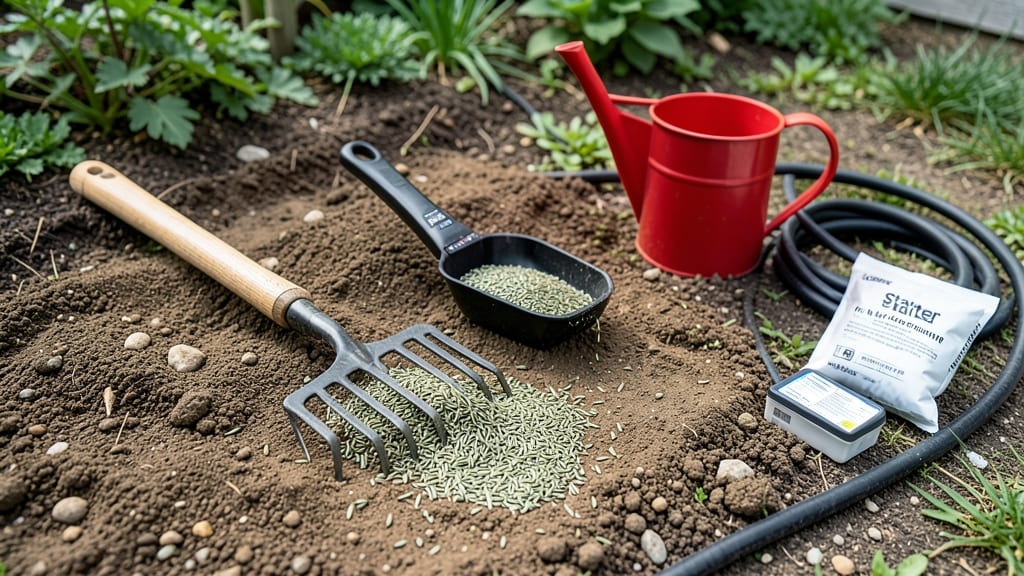
If you’ve ever planted grass seed in Indiana only to watch it struggle through scorching summers or get smothered by spring rains, you know timing is everything.
The best time to plant grass seed in Indiana isn’t just about picking a month—it’s about aligning with soil temperatures, avoiding drought stress, and working with your local microclimate to give your lawn the fighting chance it deserves.
For Hoosiers, the sweet spot falls in two windows: early fall (September to mid-October) and early spring (April to mid-May). These periods offer cooler air, warmer soil, and fewer pests—all critical for seed germination.
But here’s the kicker: Indiana’s USDA zones 5b-6a mean deadlines shift north to south, and skipping prep work (like soil testing or proper watering) can turn your 🌱 investment into a patchy disappointment.
I’ve seen firsthand how a few weeks too early or late can mean the difference between a lush, green lawn and a barren yard. Whether you’re overseeding a worn-out patch or starting fresh, the key lies in understanding your region’s frost dates, seed type, and post-planting care.
Let’s break down exactly when to plant—and how to set your grass up for success.
Ready to ditch the guesswork? You’ll walk away with a clear timeline, pro tips for Indiana’s clay-heavy soils, and a step-by-step plan to keep your grass thriving year-round. Let’s get started.
Indiana’s ideal grass-seeding windows: spring vs fall deadlines by month
Indiana’s cool-season climate (USDA zones 5b-6a) means timing your grass seed is everything. Plant too early, and frost zaps your seedlings. Too late, and heat stress stunts growth. The sweet spot? Soil temps between 50–65°F—perfect for germination without drought risk.
Most Indiana gardeners swear by fall planting (September–October) because cooler temps and steady rainfall give seeds a head start before winter. But spring (April–May) works too—if you act fast after the last frost (usually April 15). Northern Indiana’s shorter growing season demands earlier deadlines than southern regions.
Here’s the breakdown you need to avoid patchy lawns and wasted seed:
| Season | Best Months | Soil Temp (°F) | Key Deadlines | Indiana-Specific Notes |
|---|---|---|---|---|
| Fall | Early September–mid-October | 50–65°F | Plant 4–6 weeks before first frost (usually October 15) | Northern IN: Aim for September 1–15; Southern IN: September 15–October 1 |
| Spring | Early April–mid-May | 50–65°F | Plant after last frost (usually April 15) and before June 1 | Spring planting risks drought stress—water daily for first 2 weeks |
| Avoid | June–August | Above 70°F | Seeds bake in heat; germination fails | Exception: Bermuda grass (warm-season) can handle summer |
Pro tip: Use a soil thermometer to confirm temps. If your soil runs hotter than 70°F, wait—even in spring. Northern Indiana’s clay soils stay cooler longer, so plant 2 weeks earlier than southern counties like Evansville or Terre Haute.
Fall planting also lets seeds establish deep roots before winter, making them drought-resistant by summer. But if you miss fall, don’t panic—spring is your second chance, provided you water religiously during Indiana’s unpredictable spring showers.
One more secret: Overseeding in late September (after summer heat breaks) can thicken sparse lawns without starting from scratch. Just use a light seed mix (1/4 lb per 100 sq ft) and keep the soil moist.
Remember: Indiana’s microclimates matter. Hilltop lawns dry out faster; low-lying areas stay soggy longer. Adjust your timeline 1–2 weeks based on your yard’s sun exposure and drainage.
Now that you’ve got the timing nailed down, the next step is prep—because even the best timing fails without the right soil conditions. We’ll cover that in the next section!
Indiana’s ideal grass-seeding windows: spring vs fall deadlines by month
Indiana’s USDA zones 5b-6a mean your grass seed timing must balance soil temperatures and rainfall risks. Fall planting (September–October) is my top recommendation—cooler air and warm soil create perfect 50–65°F conditions for germination, while avoiding summer’s drought stress.
Spring planting (April–May) works too, but only if you act fast before weeds outcompete seedlings.
Northern Indiana’s earlier frost dates (late October) shift deadlines earlier than southern Indiana’s (mid-November). For example, Northwest Indiana should plant by September 15, while Southern Indiana can extend to October 15. Always check your local last frost date—planting 4–6 weeks before ensures strong root establishment before winter.
| Season | Best Months | Soil Temp | Key Consideration |
|---|---|---|---|
| Fall | Early Sept–Mid Oct | 50–65°F | Avoids summer heat; roots establish before frost |
| Spring | Early April–Mid May | 55–65°F | Risk of weeds; water consistently |
| Avoid | June–August | Above 75°F | Drought stress; poor germination |
Spring planting demands daily watering for the first 3 weeks to combat Indiana’s clay-heavy soils that dry out quickly. I’ve seen seedling failure spike in May when gardeners assume rain will do the work—it won’t.
Use a sprinkler with fine mist to keep soil moist but not soggy. For fall, focus on evening watering to reduce evaporation.
Indiana’s microclimates matter—urban areas like Indianapolis stay warmer than rural zones, delaying frost. Test your soil’s moisture level with a finger: top 1–2 inches should stay damp. If rain exceeds 1 inch weekly, delay planting until conditions dry.
My rule? No planting if forecasts show >0.5 inches in 24 hours—seedlings drown as easily as they dry out.
Pro tip: Overseed in fall if your lawn has thin spots. Cool-season grasses like Kentucky Bluegrass thrive when planted in September, while Tall Fescue handles spring better.
Always mow existing grass short (1–1.5 inches) before seeding to ensure seed-to-soil contact. Skip this step, and you’ll end up with bare patches.
Remember: Soil temperature > air temperature. Use a soil thermometer ($10 at garden centers) to confirm 50°F minimum. If temps drop below this, germination stalls. Fall’s golden window is when days cool but nights stay warm—late September is ideal for most of Indiana.
Don’t wait until October 1st and miss the boat!