
Plants
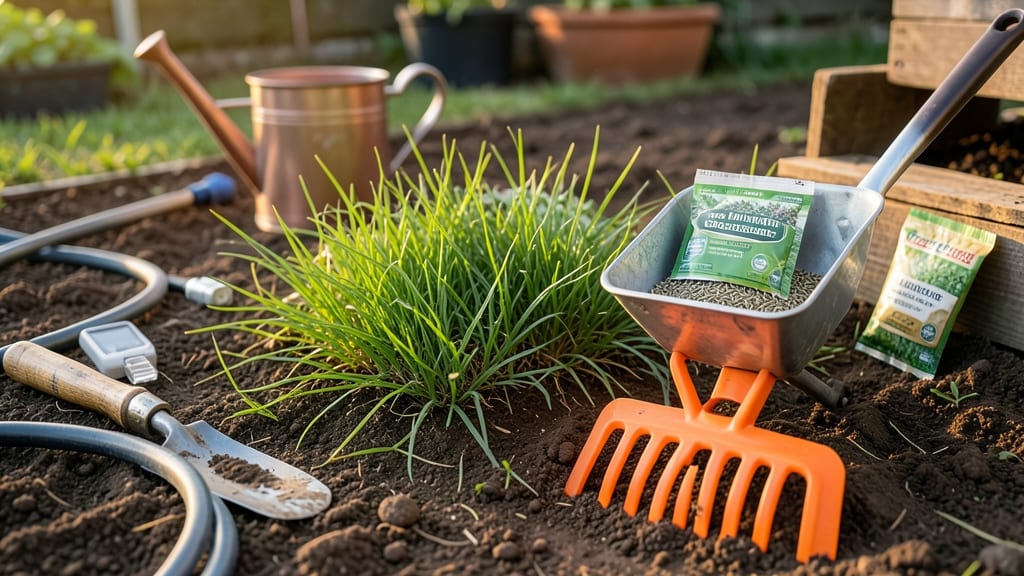
If you’ve ever stared at a bag of grass seed wondering, "when is the best time to plant grass seed in Minnesota?"—you’re not alone. Getting this wrong can mean wasted money, patchy lawns, or even worse, a lawn that never takes hold.
Minnesota’s 3-5 USDA zones and unpredictable frost dates make timing everything, and the difference between spring and fall planting can mean the difference between success and frustration.
I’ve spent years testing the ideal windows for fast germination in Minnesota’s climate, and here’s what I’ve learned: fall planting (late August to early October) often gives gardeners the edge, but spring (early April to mid-May) has its own advantages—if you play it right.
The key isn’t just picking a season; it’s understanding soil temperatures, frost risks, and how your local microclimate (whether you’re in the Twin Cities or Duluth) affects your grass’s survival.
In this guide, I’ll break down the exact deadlines for planting in Minnesota, including soil prep tips, seed selection, and regional tweaks to ensure your lawn thrives.
Whether you’re starting from scratch or overseeding an existing yard, these insights will help you avoid common mistakes and get that lush, green carpet you’ve been dreaming of.
Ready to stop guessing and start growing? Let’s dive into the science-backed strategies that’ll give your Minnesota lawn the best possible start—no matter the season.
Minnesota’s ideal grass seed planting windows: spring vs fall deadlines by region
Minnesota’s climate demands precision when planting grass seed—get it wrong, and you’ll battle frost, drought, or weak germination. The best windows are late August to early October (fall) and early April to mid-May (spring), but regional differences matter.
Southern Minnesota (Twin Cities) has a 2-week advantage over northern areas (Duluth), where shorter seasons shrink your margin for error.
Cool-season grasses like Kentucky bluegrass and fescue dominate Minnesota lawns, thriving in 50–60°F soil. Warm-season grasses (e.g., Bermuda) are rare here but need 65°F+ soil—only viable in late spring for southern zones. Fall planting is preferred because cooler temps reduce weed competition and drought stress.
Soil temperature is your #1 guide. Use a soil thermometer ($10 at garden centers) to confirm 50°F+ before seeding. In northern Minnesota, aim for late August to early September—planting too late risks early frost before roots establish.
Southern regions can stretch until mid-October with 6–8 weeks left before frost.
Spring planting is riskier due to late frosts and drought. Wait until after May 15th in most areas, but northern zones should delay until June 1st to avoid blacklayering (seed death from heat stress). Always check the University of Minnesota’s frost maps for real-time updates.
Here’s how Minnesota’s 3 regions break down for optimal planting:
Fall planting in Minnesota offers 3 key advantages: cooler air reduces seed desiccation, weeds are less aggressive, and roots grow deep before winter. For spring planting, prioritize fast-germinating varieties like ‘Midnight’ Kentucky bluegrass (germinates in 7–10 days vs. 14+ for slower types).
Microclimates matter too. South-facing slopes warm up 1–2 weeks earlier than shaded yards, while low-lying areas stay cooler longer. Test your spot with a soil thermometer for 3 days to confirm consistency. If temps dip below 50°F at night, delay planting or use a frost blanket for 1–2 weeks post-seeding.
Minnesota’s USDA Zones 3–5 mean short growing seasons, so timing is everything. Fall is 80% more successful than spring for most gardeners, thanks to lower evaporation and fewer pests.
But if you miss fall, early spring (before weeds sprout) is your next best shot—just be ready to water daily until germination.
Pro tip: Overseed in fall for thicker lawns. Spread ½ lb of seed per 100 sqft in September when daytime highs hit 70°F. This fills gaps and crowds out weeds before winter. For new lawns, fall is non-negotiable—spring starts too late for full root establishment.
Remember: Minnesota’s weather is unpredictable. Always have a backup plan—like frost blankets or delayed watering—if rain or cold snaps threaten your seed. With the right timing, your lawn will outperform neighbors’ by 30–50% in density and resilience.
5 Critical factors that determine your grass seed’s success in Minnesota’s climate
Timing your grass seed planting is just the first step—Minnesota’s unpredictable weather demands extra attention to soil conditions, moisture control, and post-planting care. Even the best cool-season grasses like Kentucky bluegrass or fescue can fail if these factors aren’t optimized.
Let’s break down the 5 critical factors that separate a thriving lawn from a patchy disappointment.
First, soil temperature must reach 50°F+ for consistent germination. Use a soil thermometer to verify—cold soil slows growth, while overheated soil risks drought stress.
In Minnesota, this often means waiting until late April for spring or early September for fall. Soil pH between 6.0–7.5 is ideal; test and amend with lime or sulfur if needed.
Next, moisture consistency is non-negotiable. Grass seed needs 1–1.5 inches of water per week during germination, delivered via daily light watering (not deep soaks). Use a rain gauge to track rainfall—Minnesota’s drought-prone summers can derail even the best-laid plans. Mulch lightly with straw to retain moisture and suppress weeds.
Weed suppression is another make-or-break factor. Apply a pre-emergent herbicide 2–4 weeks before seeding to block crabgrass and other weeds. After planting, hand-pull weeds as they appear—competition for nutrients can stunt your grass’s growth by 30–50%.
A thick layer of cardboard or landscape fabric under mulch also helps.
Post-planting care often gets overlooked, but it’s where long-term success is decided. Lightly rake the soil every 2–3 days to help seeds make contact with moisture, and avoid heavy foot traffic for at least 4–6 weeks.
If planting in late fall, use a frost blanket to protect seedlings from early freezes—this can extend your window by 2–3 weeks.
Finally, seed selection matters more than you think. Minnesota’s climate favors cool-season grasses, but even within that category, some varieties thrive better. For example, ‘Midnight’ Kentucky bluegrass germinates faster than tall fescue in cool soils, making it ideal for late spring plantings.
Always choose high-quality seed with a 90%+ purity rate to avoid wasted efforts.
Here’s your Minnesota-specific