
Vegetables
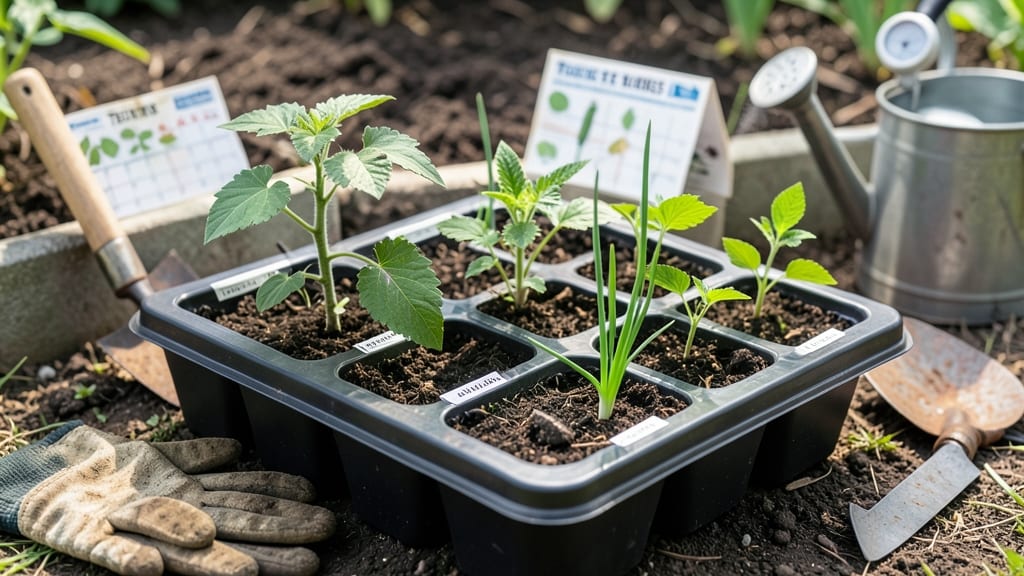
If you’ve ever wondered when is the best time to plant vegetables in Texas, you’re not alone—timing is the secret weapon every gardener needs. The best time to plant vegetables in Texas isn’t just about the calendar; it’s about outsmarting the state’s brutal summers and unpredictable springs.
Texas gardeners know the two golden windows—spring and fall—can make or break your harvest. Plant too early, and your greens turn bitter; too late, and the heat turns them to mush. But with the right strategy, you can grow thriving crops year-round, even in USDA Zones 7-10.
I’ll show you exactly when to start seeds, which crops handle Texas heat best, and how to stretch your growing season without risking failure. Whether you’re in the Hill Country or Gulf Coast, these tips will help you avoid common mistakes and enjoy a bountiful garden.
Ready to turn your Texas soil into a vegetable powerhouse? Let’s dive into the perfect planting schedule for your region.
Texas vegetable planting calendar: spring vs. fall timing for zero-bolt success
Texas gardeners face a unique challenge: our long, hot summers and mild winters create two distinct planting windows. The key is timing—plant too early, and your cool-season crops bolt into flowers; too late, and heat-sensitive varieties wilt before producing. Mastering these windows means zero-bolt success and a bountiful harvest.
Spring and fall are your golden windows in Texas, but the exact timing varies by region. North Texas has earlier last frosts (around February 15-March 1), while South Texas stays frost-free until January 15-February 1.
Central Texas falls in between, with last frosts typically February 28-March 15. Always check your local frost dates—they’re your planting guidepost.
Here’s how to align your planting with Texas’s two perfect windows:
| Region | Spring Planting Window | Fall Planting Window | Key Crops |
|---|---|---|---|
| North Texas (Zones 7b-8a) | Feb 15 - Mar 15 (6-8 weeks before last frost) | Aug 1 - Sep 15 (60-75 days before first frost) | Broccoli, spinach, carrots, green beans |
| Central Texas (Zones 8a-8b) | Mar 1 - Apr 1 (6-8 weeks before last frost) | Jul 15 - Aug 30 (60-75 days before first frost) | Lettuce, radishes, kale, peas |
| South Texas (Zones 9a-9b) | Sep 15 - Oct 31 (avoid summer heat) | Jun 1 - Jul 15 (fall escape heat) | Okra, sweet potatoes, collards, turnips |
🌱 Pro Tip: Use row covers to extend spring windows by 2-3 weeks in cooler regions.
Spring planting starts 6-8 weeks before your last frost date, but the trick is avoiding heat-sensitive crops like lettuce and spinach. In Central Texas, for example, planting these before March 1 risks bolting by May.
Instead, opt for heat-tolerant varieties like Malabar spinach or 'Black Seeded Simpson' lettuce, which handle 85°F+ temperatures better.
Fall is your second chance to grow vegetables, but timing is critical. Seed cool-season crops 60-75 days before your first frost—typically August for North Texas and July for South Texas.
This ensures harvests before winter chills set in. Bok choy and radishes are fast growers, perfect for fall, while broccoli and cauliflower need more time to mature.
Regional microclimates add another layer. The Hill Country cools faster than the Gulf Coast, so adjust planting dates accordingly. For example, San Antonio (Zone 8b) can plant kale in late September, while Houston (Zone 9a) should wait until early October to avoid heat stress.
Always monitor soil temperatures—50°F+ is ideal for cool-season crops.
One common mistake? Ignoring soil preparation. Texas soils can be clay-heavy or sandy, and poor drainage leads to root rot or nutrient loss. Before planting, amend soil with 2-3 inches of compost and test pH—most vegetables thrive in 6.0-7.0 range.
In South Texas, where summers are brutal, focus on mulching to retain moisture and cool roots.
For heat-loving crops like okra, sweet potatoes, and black-eyed peas, plant in late spring (April-May) once soil reaches 70°F+. These varieties thrive in Texas heat and can even be direct-sown in June in North Texas, where summers are slightly milder.
Just be prepared for daily watering during peak heat.
Finally, don’t overlook succession planting. In Texas’s short windows, staggering plantings every 2-3 weeks ensures a continuous harvest. For example, sow bush beans in March, then again in June for a fall crop. This strategy maximizes your garden’s potential and minimizes wasted space.
By aligning your planting with Texas’s two golden windows—spring and fall—and adjusting for your specific region, you’ll avoid bolting, heat stress, and wasted effort. The result? A productive, low-stress garden that delivers fresh veggies all year.
How to extend Texas growing seasons without risking bolting or heat stress
Texas summers can turn your garden into a sauna, but with the right strategies, you can grow veggies year-round. The key is extending seasons without triggering bolting (when plants flower prematurely) or heat stress.
I’ve tested these methods in my own North Texas garden, and they’ve doubled my harvest windows!
Start with seasonal protection tools like row covers and cold frames. These create microclimates that shield plants from extreme temps.
For example, a floating row cover can add 5-10°F of protection, letting you plant spinach or kale 2-3 weeks earlier in spring—or keep them growing 2 weeks later in fall.
🌱
| Tool | Best For | Seasonal Extension |
|---|---|---|
| Floating Row Covers | Leafy greens, brassicas | 2-3 weeks earlier/later |
| Cold Frames | Herbs, root veggies | 4-6 weeks earlier |
| Shade Cloth (30-50%) | Heat-sensitive crops | Summer survival |
| Drip Irrigation | All vegetables | Consistent moisture |
For heat-tolerant crops, focus on varieties bred for Texas conditions. Okra, sweet potatoes, and black-eyed peas thrive in 90°F+ temps, while peppers and tomatoes need shade cloth during peak summer.
I’ve had sweet potato slips produce harvests in August with just 50% shade cloth and daily watering.
Succession planting is another game-changer. Instead of planting all your lettuce at once, stagger seeds every 2 weeks from September to November. This ensures a steady harvest before first frost (which hits North Texas by mid-November and South Texas by late December).
Finally, soil prep makes all the difference. Amend beds with compost and mulch heavily to retain moisture. In my Central Texas garden, mulched beds stay 10°F cooler at the surface, reducing heat stress on roots. Use straw mulch for warm-season crops and wood chips for cool-season plants.
With these techniques, you can grow greens in January and tomatoes in October—no bolting, no wilting, just Texas-sized harvests! ☀️