
Planting
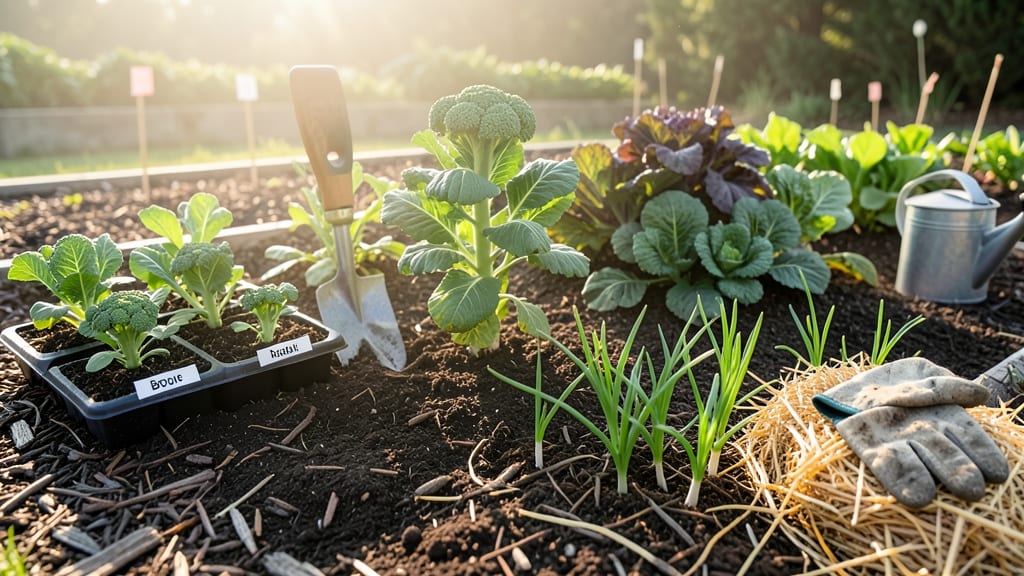
When to plant fall garden in Central Texas isn't just about avoiding the heat—it's about catching the perfect window between the summer's lingering swelter and the first frost's icy grip. If you miss this 6-8 week window before November 15th, your cool-season crops like kale and carrots will either bolt in the heat or wilt before they mature.
I've learned the hard way that planting too early means fighting heat-stressed seedlings, while waiting too long risks a harvest cut short by frost. Central Texas's 8a zone gives us a narrow but golden opportunity—mid-August to early October—to sow seeds and transplants that thrive when days grow shorter and cooler.
What makes this even trickier? Not all fall crops play by the same rules. Leafy greens like spinach need cooler temps to sweeten up, while root veggies like carrots and beets can handle a little residual summer warmth—if you time it right.
I'll break down exactly which crops to plant when, so you can maximize your harvest from October through December.
Ready to beat the heat and the frost? Let's dive into the game-changer planting schedule that'll turn your Central Texas garden into a fall harvest goldmine—without the guesswork.
Optimal planting dates for Central Texas fall crops by last frost date
Central Texas’s first frost date typically arrives between November 15 and December 15, but this varies by city—Austin averages November 20, while San Antonio leans closer to November 10.
To maximize your fall harvest, plan to plant cool-season crops 6-8 weeks before frost, which translates to mid-September to early October for most regions.
Direct sowing leafy greens and root vegetables like carrots and beets can start as early as late August, but avoid planting when daytime temps exceed 85°F. Transplants like broccoli and cabbage thrive when soil temps drop below 75°F, making September 15 the ideal window for most areas.
Here’s how to align your planting with Central Texas’s microclimates. Urban areas like Austin often experience earlier frosts due to heat islands, while rural zones near Waco may push harvests 2-3 weeks later. Use these guidelines to fine-tune your schedule:
| Crop Type | Direct Sow Window | Transplant Window | First Frost Buffer | Heat Threshold (°F) |
|---|---|---|---|---|
| Leafy Greens (Kale, Spinach, Lettuce) | Late Aug - Early Oct | N/A | 6-8 weeks | 80°F max |
| Brassicas (Broccoli, Cabbage, Cauliflower) | N/A | Mid-Sept - Early Oct | 8-10 weeks | 75°F max |
| Root Veggies (Carrots, Beets, Radishes) | Late Aug - Mid-Sept | N/A | 4-6 weeks | 85°F max |
| Peas & Green Beans | Early Sept - Late Sept | Mid-Sept - Early Oct | 6-8 weeks | 70°F max |
| Pumpkins & Winter Squash | Mid-Aug - Early Sept | N/A | 10-12 weeks | 90°F max |
For succession planting, sow fast-maturing crops like radishes or turnips every 2 weeks through early October. This ensures a steady harvest before frost. Avoid planting bolting-prone greens (e.g., lettuce) too early—they’ll turn bitter in 90°F+ heat.
Use shade cloth (30-50%) for late-August plantings to protect seedlings from intense sun. In San Antonio, where frosts arrive earlier, prioritize heat-tolerant varieties like Texas Blue White cabbage or Heat-Tolerant Kale.
Monitor your local first frost date using the National Weather Service or Texas A&M AgriLife resources. Adjust your schedule 1-2 weeks earlier if your area trends cooler, or delay by a week if heat lingers into October.
Pro tip: Hardening off transplants for 5-7 days before planting improves their resilience to temperature fluctuations common in Central Texas’s transitional fall weather.
🌱
Best cool-season vegetables for Central Texas fall gardens (ranked by heat tolerance)
Central Texas’s fall garden thrives when you choose heat-tolerant cool-season crops. Unlike northern climates, our transitional weather demands varieties that handle 85°F+ days while still producing before frost. The key is selecting plants that bolt-resistant and disease-hardy in our humid summers.
My top picks start with collard greens—they’re the MVP of Central Texas fall gardens. These leafy powerhouses handle 90°F heat better than kale or spinach, and their flavor actually improves after frost.
Next up are carrots, specifically Danvers or Nantes varieties, which mature quickly (50-60 days) and tolerate our heavy clay soil better than fussy types.
🌱 Did You Know? 🌱 Texas Blue Hubbard squash is a local favorite that thrives in fall heat and stores for months. Its thick skin protects against squash vine borers, a common Central Texas pest.
For herbs, cilantro and dill bolt in heat, but parsley and chives handle fall’s temperature swings beautifully. If you love green onions, plant them in late September—they’ll regrow after cutting for months.
My late-season secret? Radishes like Cherry Belle mature in just 25 days, giving you a quick harvest before frost. They’re also pest-resistant and self-thinning, meaning less weeding for you.
For flowers, calendulas and pansies add color while repelling pests like aphids. Plant them alongside broccoli or cauliflower to boost pollination and deter cabbage worms.
Remember: Soil temperature matters more than air temperature. Use a soil thermometer—ideal ranges are 55-75°F for most fall crops. If your soil runs hotter, wait until late August or use shade cloth to cool it down.