
Plants
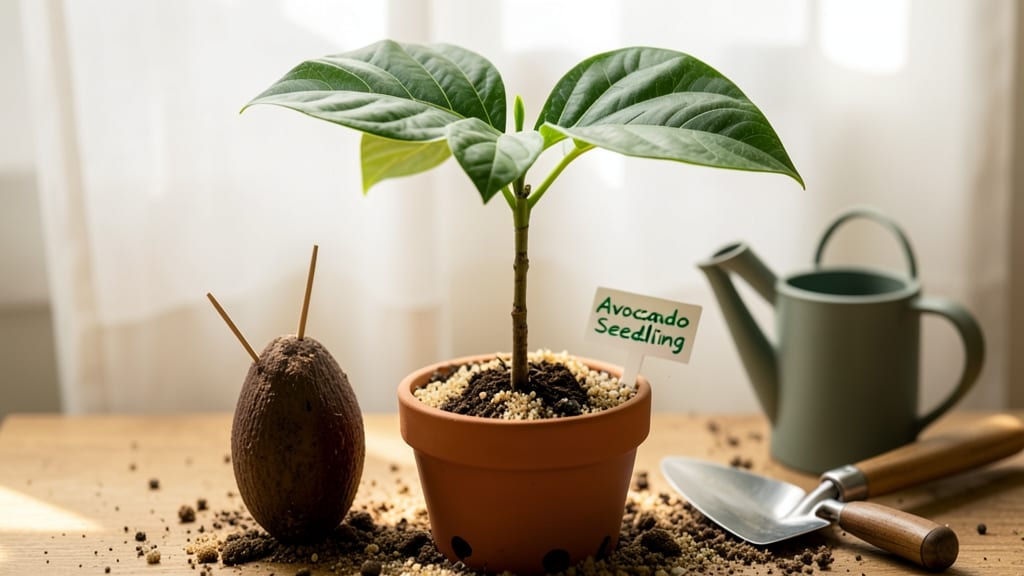
Planting an avocado seed in soil at the wrong time can turn your 🥑 experiment into a sad, wilted disappointment. The key to success isn't just patience—it's knowing exactly when to make the move from water to soil, whether you're in a warm climate or chilly Zone 6a.
Most gardeners rush this step, but timing matters more than you think. Plant too early, and your seedling might struggle with temperature swings or weak roots. Too late, and you risk stunted growth or even failure.
Let me show you the fastest way to transition your avocado seed into soil for the best chance at a thriving plant.
We're talking about the ideal late spring to early summer window when soil temperatures are just right—warm enough to encourage root growth but not scorching hot. Whether you're growing indoors near a sunny window or outdoors in your garden, these tricks will help you avoid common pitfalls.
From checking soil moisture to understanding how climate zones affect germination, I'll walk you through every detail. By the end, you'll know exactly when to plant that avocado seed in soil for a stronger, healthier start—no guesswork required.
Best time to plant avocado seed in soil for successful germination
Timing is everything when transitioning your avocado seed from water to soil. Most gardeners rush this step, but patience ensures stronger roots and faster growth. The ideal moment arrives when your seed develops 1-2 inch roots while still in water—usually 4-8 weeks after starting the germination process.
Outdoor planting thrives in late spring to early summer (after your last frost date) when soil temperatures stay above 60°F (15°C). For indoor starters, you can plant anytime, but align with seasonal warmth for outdoor moves. Warmer soil speeds root establishment and reduces transplant shock.
Climate zones matter! In tropical regions (Zones 10-12), plant anytime—soil stays warm year-round. In temperate zones (6-9), wait until May-June when nights stay above 50°F (10°C). Cold soil slows growth and invites rot.
| Factor | Ideal Condition | Why It Matters |
|---|---|---|
| Root Length | 1-2 inches | Prevents root damage during transplant |
| Soil Temperature | 60°F+ (15°C+) | Speeds germination and root growth |
| Season | Late spring/early summer | Avoids frost damage and cold stress |
| Light Exposure | 6+ hours direct sun | Prevents leggy, weak seedlings |
| Climate Zone | Zones 6-12 (adjust timing) | Warmer zones plant earlier; cooler zones wait |
For indoor starters, transition to soil when roots fill the water jar or exceed 2 inches. Use a 4-6 inch pot with drainage holes to prevent soggy roots. Keep the pot in bright, indirect light for 1-2 weeks to reduce transplant shock.
Outdoor planting requires well-draining soil mixed with compost. Dig a hole 1 inch deep, place the seed horizontally (roots down), and cover lightly. Water gently to settle soil—avoid compacting roots. Mulch with 2-3 inches of organic matter to retain moisture.
Watch for yellowing leaves or wilting, which signals overwatering or poor drainage. Avocado seeds need consistent moisture but hate soggy conditions. Adjust watering based on soil dryness—stick your finger 1 inch deep; if dry, water thoroughly.
In USDA Zone 6a, aim for late May to early June planting. By this time, soil warms to 65°F (18°C), and nights stay above 50°F (10°C). Use a black plastic mulch to warm soil faster if needed. For container growing, plant anytime indoors with grow lights.
Patience pays off! Your avocado seedling may take 2-4 weeks to adjust to soil. During this time, avoid fertilizing—focus on watering and sunlight. Once leaves appear, gradually introduce balanced fertilizer (6-6-6) every 6-8 weeks.
Remember: Root health > speed. A well-timed transplant gives your avocado tree the best start for 5-10 foot growth in its first year. With the right conditions, your seedling could reach 3 feet tall by winter—proof that timing matters!
Best time to plant avocado seed in soil for successful germination
Timing is everything when moving your avocado seed from water to soil. The best time to plant depends on your climate zone and whether you're growing indoors or outdoors.
For most gardeners, the ideal window is late spring to early summer, after the last frost date, when soil temperatures consistently stay above 60°F (15°C). In warmer climates like USDA Zones 9-11, you can plant year-round, while colder regions should wait until May or June.
Indoor growers have more flexibility—they can plant anytime, but spring or early summer still offers the best light conditions. If starting indoors, place your seedling near a south-facing window or under grow lights to mimic natural sunlight.
Outdoor planting should align with your region's frost-free period, typically after April 15 in Zone 6a or later in colder areas.
| Factor | Optimal Conditions | Best Months |
|---|---|---|
| Soil Temperature | 60°F+ (15°C+) | May-August |
| Light Availability | 6+ hours direct sun | June-July (peak sun) |
| Root Development | 1-2 inches long | 4-6 weeks after soaking |
| Indoor vs. Outdoor | Indoor: anytime; Outdoor: frost-free | Indoor: year-round; Outdoor: May-August |
Watch for root growth as your key indicator. Once your avocado seed develops 1-2 inches of roots while soaking in water (usually 4-6 weeks), it's ready for soil. Smaller roots mean higher transplant shock risk, so wait until they're sturdy.
If you're in a tropical climate, you can plant year-round, but spring planting still gives the best start due to natural rainfall patterns.
Regional differences matter: In Zone 8-10, plant in early spring to avoid summer heat stress, while Zone 4-6 gardeners should wait until after June 1 to ensure warm soil. Always harden off seedlings by placing them outdoors for 2-3 hours daily before full transplant to prevent shock.
After planting, maintain consistent moisture and place your pot in bright, indirect light for the first week. Avoid direct sun until the seedling adjusts. In Zone 6a, aim for June planting to maximize the 165 frost-free days before the first frost on October 15.
Pro tip: Use a heat mat if soil temps are below 60°F (15°C) to speed up germination. Monitor your seedling's progress—healthy growth means you’ve nailed the timing! 🌱