
Flowers
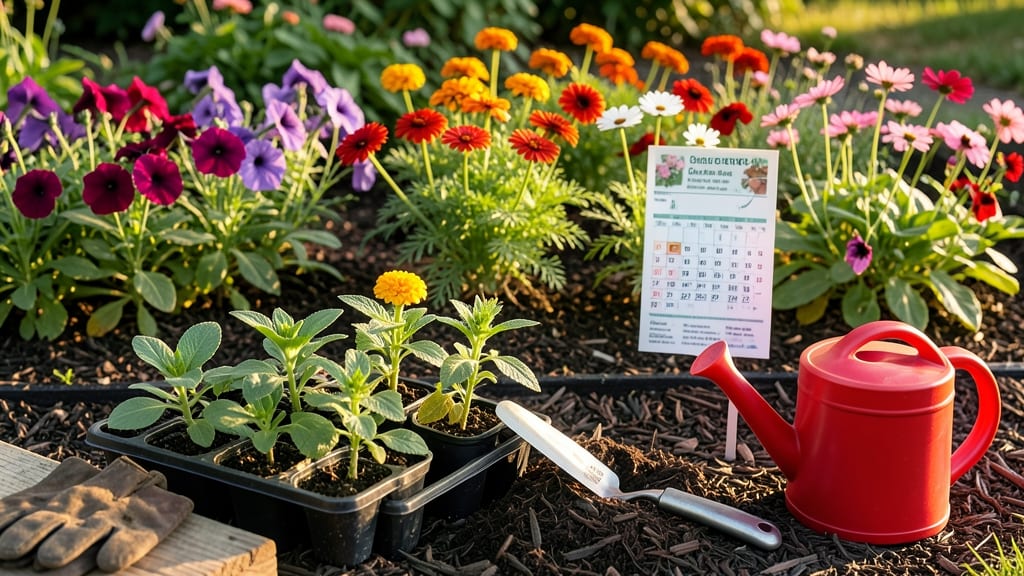
Timing your flower planting in Ohio isn’t just about grabbing seeds—it’s the key to avoiding frost damage and enjoying a vibrant garden from spring to fall. With Zone 6a frost dates that can shift yearly, knowing when to plant your 🌸 ensures your annuals and perennials thrive.
Most Ohio gardeners wait until after the last frost—typically around mid-April—but some cold-hardy varieties can go in as early as March. The trick? Checking soil temperatures and understanding how different flowers handle Ohio’s unpredictable weather.
Whether you’re planting delicate petunias or hardy daylilies, this guide breaks down the best months for each type, plus pro tips to extend your blooming season. Let’s get those flowers in the ground at the perfect time!
From soil prep to frost protection, you’ll learn how to beat Ohio’s climate and enjoy a garden that bursts with color—without the guesswork. Ready to transform your landscape?
Ohio’s frost dates by planting Zone: when to start flowers
Ohio’s USDA hardiness zones 5a-6b create a tricky timeline for planting flowers. A late spring frost can still hit as late as mid-April in northern Ohio, while southern zones like Columbus and Cincinnati might see frost-free conditions by early April.
Knowing your exact last frost date is key to avoiding frozen seedlings and wasted effort.
The first fall frost also varies dramatically—northern Ohio can see frost by mid-October, while southern areas may hold off until late October or November. This means your fall planting window for tender annuals closes earlier in the north.
Always check local Almanac frost charts or use the National Weather Service for real-time updates.
Here’s how to use Ohio’s zone-specific frost dates to time your flower planting perfectly:
| Zone | Last Spring Frost | First Fall Frost | Safe Planting Window |
|---|---|---|---|
| 5a (Toledo, Youngstown) | April 20–May 5 | October 10–20 | May 10–September 15 |
| 5b (Akron, Mansfield) | April 10–20 | October 15–25 | April 25–September 20 |
| 6a (Columbus, Dayton) | April 5–15 | October 20–November 5 | April 20–October 1 |
| 6b (Cincinnati, Lexington) | March 25–April 5 | November 5–15 | April 1–October 15 |
For annual flowers like petunias, marigolds, and zinnias, wait until two weeks after your last frost date to transplant seedlings. These heat-loving varieties can’t handle even light frosts. In contrast, cold-hardy perennials like daylilies and coneflowers can often be planted in early spring (as soon as soil is workable).
If you’re starting seeds indoors, begin 6–8 weeks before your last frost date. For example, in Columbus (Zone 6a), that means mid-February to early March for most annuals. Use grow lights to prevent leggy seedlings, and keep temperatures between 65–75°F for optimal germination.
Microclimates matter! South-facing slopes and urban heat islands (like Cincinnati) warm up faster than shaded or northern exposures. Test your soil temperature with a soil thermometer—most flowers need 60°F+ soil to thrive.
If your garden is slow to warm, opt for cool-season flowers like pansies or snapdragons in early spring.
Don’t forget fall planting! Tender annuals like cosmos and sunflowers can be sown in late summer (August) for fall blooms. Just ensure they have 6–8 weeks of growth before the first frost.
For perennials, fall planting lets roots establish before winter—ideal for black-eyed Susans and bee balm.
Pro tip: Use frost-sensitive varieties as indicator plants. For example, plant a few marigolds early—if they survive, your petunias and geraniums are safe to go in. If they crisp up, wait another week! This natural frost gauge saves time and heartache.
Ohio’s unpredictable weather means flexibility is key. Always have row covers or cold frames on hand to protect young plants from late-spring frosts. With the right timing, you’ll enjoy continuous blooms from May through October—no frost damage in sight!
Best flower planting schedule by variety: annuals vs. perennials
Ohio’s diverse flower varieties thrive on precise timing—annuals like marigolds and petunias need warm soil, while perennials such as coneflowers can handle cooler starts. I’ve broken down the ideal planting windows by type to maximize blooms all season long.
For cool-season annuals like pansies or snapdragons, start seeds indoors by March 1 or transplant after April 15 (last frost). These tough bloomers tolerate light frosts, giving you early color. Heat-lovers such as zinnias or cosmos? Wait until May 1 when soil hits 60°F+.
Perennials like daylilies and black-eyed Susans are more flexible—plant them in early spring (March–April) or fall (September–October). Fall planting lets roots establish before winter, while spring gives them a head start for summer blooms.
🌸 Pro Tip: Use succession planting for annuals! Sow marigolds every 3 weeks from May to July for continuous blooms until frost.
🌱 Ohio Flower Planting Timeline
- 📅 March 1–15: Start cool-season annuals (pansies, snapdragons) indoors
- 🌱 April 15–May 1: Transplant hardy perennials (daylilies, coneflowers)
- ☀️ May 1–15: Plant heat-loving annuals (zinnias, cosmos) after last frost
- 🌿 June–July: Succession plant marigolds, petunias for summer-to-fall blooms
- 🍂 September: Add fall-blooming perennials (asters, mums) for late-season color
Don’t overlook bulbs! Plant tulips and daffodils in October–November for spring blooms—they need 6–8 weeks of cold to trigger flowers. For tender bulbs like dahlias, wait until after May 15 when soil is warm.
Microclimates matter! Northern Ohio (Zone 5) may need to wait until May 10 for warm-season plants, while southern Ohio (Zone 6) can start 2 weeks earlier. Check your local frost-free dates and adjust accordingly.
With this schedule, your Ohio garden will burst with color from spring tulips to fall mums—no frost surprises! 🌷