
Companion Plants
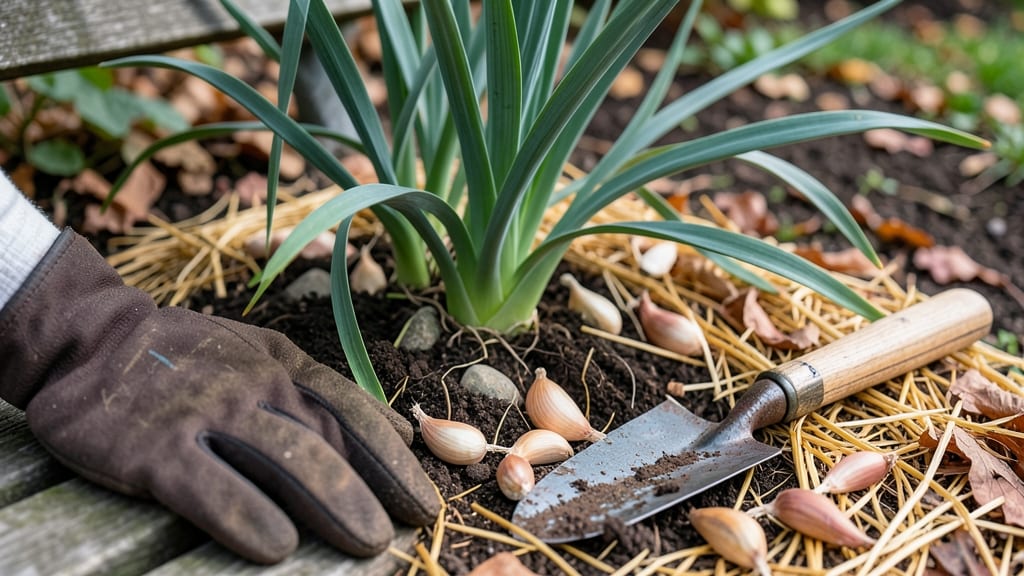
Planting garlic in Michigan at the wrong time could mean the difference between a bountiful harvest of hardneck varieties and wasted effort. With Michigan’s USDA zones 5b-6b and unpredictable frost dates, timing is everything—and fall is your best shot for success.
Most gardeners in Michigan swear by fall planting between October and November, giving bulbs time to root before winter. But if you miss that window, early spring planting in March can still work, though it requires extra care.
The key is preparing your soil and protecting those cloves from harsh winters.
Hardneck garlic thrives in Michigan’s climate, but only if you plant it correctly. I’ll walk you through the exact timing, soil prep, and mulching tips to ensure your 🧄 garlic survives the cold and delivers a harvest next summer. Let’s get those cloves in the ground the right way.
Whether you’re a seasoned gardener or new to growing garlic, these Michigan-specific strategies will help you avoid common mistakes. From choosing the right planting date to protecting your crop from frost, you’ll be ready to harvest plump, flavorful bulbs by July or August.
Optimal Michigan garlic planting timeline: fall dates by region
Michigan’s diverse climate means your garlic planting window varies by region—whether you’re in the Upper Peninsula, Lower Peninsula, or the Thumb region. For hardneck varieties (the best choice for Michigan), aim to plant 4-6 weeks before the ground freezes.
This typically lands in mid-October to early November, but exact timing depends on your USDA zone (5b-6b).
In southern Michigan (zones 6a-6b), like Detroit or Ann Arbor, you can plant as late as early November. Meanwhile, in northern Michigan (zones 5a-5b), such as Traverse City or Marquette, start planting by mid-October to avoid winter exposure.
The Thumb region (e.g., Battle Creek) falls in between, with a window from late October to early November.
Use your last frost date as a guide—plant garlic 6 weeks before the first hard frost. In Michigan, this usually occurs between mid-to-late October, but check your local Michigan State University Extension resources for precise dates in your area.
Soil temperatures should also be below 40°F but not yet frozen.
Hardneck garlic thrives in Michigan’s cold winters, but timing is critical. Planting too early (e.g., September) can lead to premature sprouting, while planting too late (e.g., December) risks frost damage before roots establish. Balance is key!
Pro Tip: If you miss the fall window, you can plant garlic in early spring (March), but yields will be smaller and less flavorful. Fall planting is the gold standard for Michigan gardeners.
🌱
Michigan Garlic Planting Timeline by Region
| Region | USDA Zone | Ideal Planting Window | Last Frost Date | Key Notes |
|---|---|---|---|---|
| Upper Peninsula (Marquette, Sault Ste. Marie) | 5a-5b | Mid-October to late October | Mid-to-late October | Plant early; colder winters require deeper mulch. |
| Northern Lower Peninsula (Traverse City, Petoskey) | 5b-6a | Late October to early November | Late October | Balanced window; prioritize soil prep for clay soils. |
| Southeast Michigan (Detroit, Ann Arbor) | 6a-6b | Early November | Early November | Latest window; use straw mulch for insulation. |
| Thumb Region (Battle Creek, Kalamazoo) | 6a | Late October to early November | Late October | Warmer microclimates may extend window slightly. |
After planting, protect your garlic with a 4-6 inch layer of mulch (straw or leaves work best). This insulates bulbs from freeze-thaw cycles and prevents heaving. In Zone 5b areas, like northern Michigan, add an extra layer of mulch for winter protection.
Spring care is minimal—just remove mulch in early April to allow soil warming. By June, scapes (flower stalks) will appear—pinch them off to redirect energy to bulb development. Harvest in July-August when lower leaves turn brown.
For Michigan gardeners, fall planting is non-negotiable for hardneck garlic. Miss the window? Try softneck varieties, but expect smaller yields. Plan ahead, and you’ll reap the rewards of homegrown, flavorful garlic!
☀️
Optimal Michigan garlic planting timeline: fall dates by region
Michigan’s diverse climate means your garlic planting window depends on where you live. For hardneck varieties, which thrive in Michigan’s USDA zones 5b-6b, timing is critical.
The goal is to plant 4-6 weeks before the ground freezes—typically between October and November—so bulbs establish roots before winter sets in.
In Southern Michigan (including the Thumb region), where first frosts often hit by mid-October, aim to plant by early October. Northern Michigan and the Upper Peninsula, with later frosts around late October, can extend planting until early November.
These regional differences ensure your garlic gets the root development it needs before dormancy.
Here’s a quick reference for Michigan gardeners:
| Region | Ideal Planting Window | Last Chance Before Frost | Key Tip |
|---|---|---|---|
| Southern Michigan (Thumb, Detroit) | Early October | Mid-October | Use straw mulch (6-8 inches) to insulate bulbs. |
| Central Michigan (Lansing, Grand Rapids) | Mid-October | Late October | Aim for 40-50°F soil temps for best root growth. |
| Northern Michigan (Traverse City, UP) | Early November | Early November | Choose larger cloves (3+ inches) for better winter survival. |
If you miss the fall window, don’t panic! Early spring planting in March can still work, but it requires extra care like heavier mulching and soil warming. Spring-planted garlic often yields smaller bulbs, so fall is always preferred for Michigan’s climate.
After planting, cover beds with 4-6 inches of mulch (straw or leaves) to protect cloves from freeze-thaw cycles. This insulation keeps soil temps stable and prevents heaving—when bulbs push out of the ground during winter. With the right timing and protection, your garlic will emerge strong next spring.
Pro tip: Use a soil thermometer to check temps—ideal planting soil should be 40-50°F. This ensures roots establish before winter dormancy begins. 🌱