
Plants
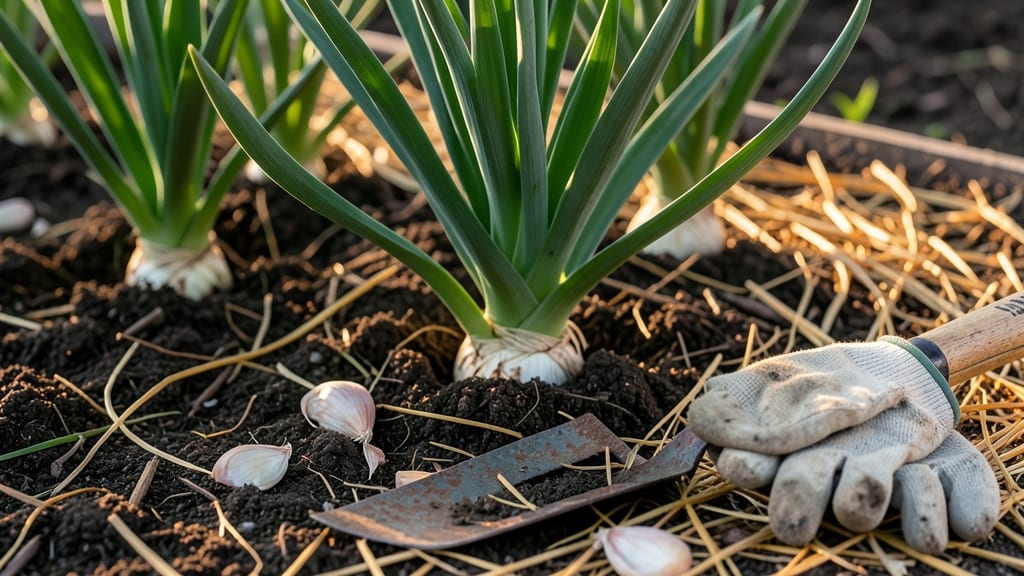
If you're growing 🧄 garlic in Zone 8b, when to plant garlic in zone 8b can make all the difference between a thriving harvest and wasted effort.
Planting too early risks rotting cloves in warm soil, while waiting too long means your garlic won't establish strong roots before winter dormancy kicks in.
The key to success lies in that narrow 4-6 week window before your first hard frost—typically mid-October through early November. This timing lets garlic grow roots while still benefiting from warm fall soil, setting the stage for plump bulbs next summer.
But here's the catch: your exact planting date depends on whether you're in coastal Southern California or inland areas with different frost patterns. I'll break down how to adjust your schedule based on local microclimates and soil conditions, so you can plant with confidence.
Ready to grow bigger, healthier garlic? Let's dive into the exact steps to prepare your soil, choose the right varieties, and time your planting for maximum success in Zone 8b's unique growing conditions.

Optimal fall planting window for Zone 8b garlic
In Zone 8b, the ideal garlic planting window falls between mid-October and early November. This 4-6 week window before winter dormancy lets garlic establish strong roots before cold temperatures set in.
Coastal areas like San Diego may extend this slightly later, while inland regions like Phoenix should plant closer to late September.
Garlic thrives when soil temperatures drop to 50-60°F—perfect for fall planting. If you miss this window, spring planting is possible but yields smaller bulbs. The key is avoiding freezing soil, which stunts root growth and reduces bulb size.
For hardneck varieties, aim for late October planting. These need cold exposure to form bulbs. Softneck varieties are more flexible and can handle early November planting, though they prefer cooler conditions too.
Here’s your Zone 8b garlic planting timeline:
| Month | Soil Temp | Action | Notes |
|---|---|---|---|
| Late September | 60-70°F | Prep soil (inland areas) | Add compost, test pH (6.0-7.0) |
| Mid-October | 55-65°F | Plant hardnecks | 2" deep, 4-6" apart |
| Early November | 50-60°F | Plant softnecks | Cooler areas only |
| December | 45°F or lower | Mulch heavily | Protect from frost |
If you live in coastal Zone 8b (e.g., Santa Barbara), your last planting date might stretch to early December due to milder winters. Inland areas (e.g., Las Vegas) should finish planting by mid-November to avoid winter dry spells.
Pro tip: Use a soil thermometer to confirm temperatures. Garlic roots struggle in soil below 40°F. If frost threatens before roots establish, cover beds with straw mulch (4-6 inches thick) to insulate.
Remember, Zone 8b garlic needs 6-8 months of cold to form bulbs. Planting too late (after November 15) risks small, weak harvests. Mark your calendar now!
After planting, keep soil consistently moist but not soggy. A 1-inch layer of mulch helps retain moisture and regulate temperatures. Water deeply once a week unless rain does the job.
Your garlic will sprout in spring (March-April) and need regular watering as shoots emerge. By June-July, bulbs will be ready to harvest—just when Zone 8b summers heat up!
For maximum bulb size, aim for mid-October planting in most of Zone 8b. Coastal gardeners can push to early November, while inland growers should start by late September. 🌱
Optimal fall planting window for Zone 8b garlic
In Zone 8b, your garlic planting window is a critical 4-6 week period before the first hard frost—typically between mid-October and early November. This timing ensures garlic cloves establish roots in warm soil while still benefiting from winter dormancy.
Coastal areas like San Diego may extend this window slightly, while inland regions like Riverside need to plant earlier to avoid winter rains.
For most of Zone 8b, aim to plant when soil temperatures drop to between 60-70°F. Use a soil thermometer to verify—planting too early in hot soil risks rot, while waiting too long means garlic won't harden off before winter.
Inland areas should plant by late October, while coastal zones can wait until early November.
| Region Type | Ideal Planting Window | Soil Temp Threshold | Key Consideration |
|---|---|---|---|
| Coastal (San Diego, Santa Barbara) | Early November | 60-70°F | Milder winters, less frost risk |
| Inland (Riverside, Temecula) | Late October | 65-75°F | Cooler nights, earlier frost |
| Valley (San Fernando, Antelope) | Mid-October | 60-70°F | Cold air pockets, frost risk |
To fine-tune your schedule, check your local first frost date (usually mid-December in Zone 8b) and count backward 6 weeks.
For example, if frost hits December 15th, plant by November 1st. Use hardneck varieties like 'German White' for inland areas—they handle colder winters better—while coastal gardeners can opt for softneck varieties like 'Silverskin' that prefer milder conditions.
After planting, mulch with 3-4 inches of straw to insulate bulbs during winter. This protects against temperature swings and keeps soil moisture consistent. In coastal areas, reduce mulch slightly to prevent excess moisture buildup from winter rains.
Remember, garlic planted in this window will produce larger bulbs because it benefits from both fall warmth and winter dormancy.
Spring planting is not recommended in Zone 8b—garlic needs winter's cold period to form bulbs properly. If you miss the fall window, your bulbs will be small and weak. Mark your calendar now and prepare your soil with compost and balanced fertilizer to give your garlic the best start.