
Companion Plants
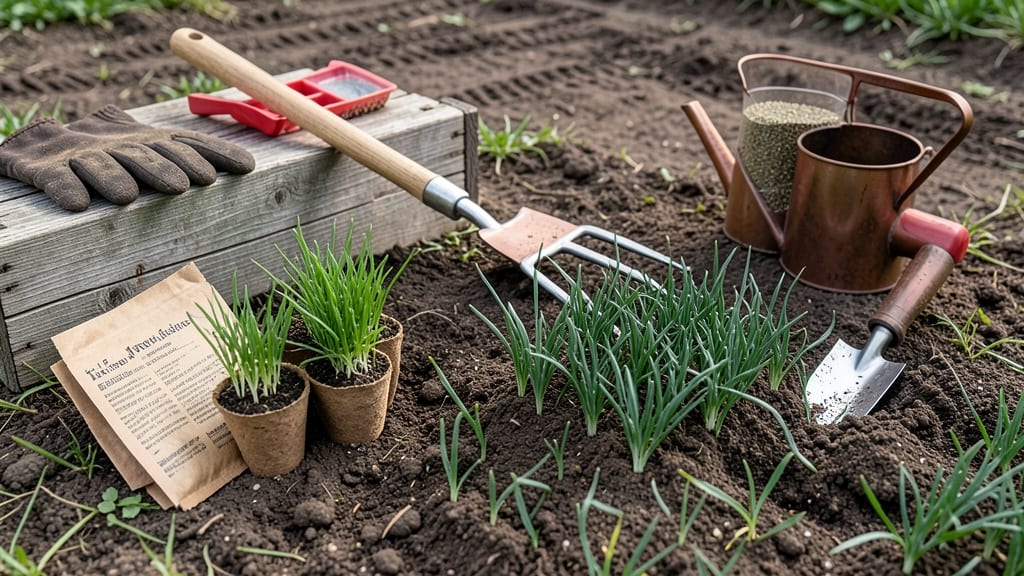
Timing your spring grass planting just right can transform your yard from a patchy mess into a lush, green carpet—but get it wrong, and you're staring at weeds instead.
The secret isn't just waiting for spring; it's about understanding your local frost dates and soil temperature, which vary wildly even between neighboring yards.
In Zone 6a, where many gardeners call home, the ideal window opens 4-6 weeks before your last frost date—typically mid-March to early April.
But here's the catch: planting too early when soil is still cold can leave your 🌱 Grass (Turfgrass) seeds struggling to germinate, while waiting too long risks summer heat stress. Let's break down how to nail this timing without guessing.
You'll discover exactly when to prep your soil, which grass types thrive in your region, and how to spot the perfect moment when the ground is warm enough (between 50-65°F) for seeds to sprout reliably. No more second-guessing—just a foolproof plan tailored to your climate.
Whether you're seeding a new lawn or repairing bare spots, these insights will help you avoid common mistakes like planting too early or late. Ready to grow grass that actually stays green? Let's get started.
Optimal soil temperature for planting grass in spring
Getting your spring lawn seeding timing right starts with understanding soil temperature. Grass seeds need warmth to germinate, but not so much that they dry out or overheat.
The ideal soil temperature range for planting grass is between 50°F and 65°F. This window ensures seeds sprout consistently without stress from extreme heat or cold.
If you plant too early, when soil is still chilly, seeds may rot or fail to germinate. On the other hand, waiting until soil is too warm can lead to dormancy or poor establishment.
For most cool-season grasses like Kentucky bluegrass and tall fescue, aim for soil temps around 55°F to 60°F. Warm-season grasses like Bermuda or Zoysia prefer 70°F to 75°F.
To check your soil temperature, use a soil thermometer (available at garden centers for under $10). Insert it 2 inches deep—the depth where grass roots will first establish.
Test it in the morning for the most accurate reading, as afternoon sun can skew results. If your soil is below 50°F, wait a few weeks before planting.
Regional differences matter too. Northern climates (USDA zones 3-5) may need to wait until late April or early May, while Southern zones (7-10) can start as early as February.
Microclimates—like sunny slopes or shaded valleys—can also shift soil temps by 5°F or more, so test your specific spot.
Once your soil hits the sweet spot, act fast! Grass seeds have a limited window to germinate before summer heat or late frosts interfere. For cool-season grasses, this usually means planting 4–6 weeks before your last expected frost date.
For warm-season grasses, wait until after the last frost but before summer’s peak heat arrives.
Pro tip: If your soil is too cold, you can warm it up naturally by covering it with black plastic sheeting for a few days. This absorbs sunlight and raises temps by 5–10°F.
Just remove it right before planting to avoid overheating the seeds. Alternatively, use a seed starter mat designed for lawns to create a cozy microclimate.
Remember, consistent moisture is just as critical as temperature. Keep soil evenly damp (not soggy) until seeds germinate. A light mulch of straw can help retain moisture and protect seeds from drying out. Avoid walking on the area until grass reaches 3–4 inches tall to prevent damage to tender seedlings.
If you’re in doubt about your local conditions, check with your extension service or a local nursery. They’ll know the last frost averages and soil warming trends for your area. With the right timing, you’ll be rewarded with a thick, vibrant lawn that stays lush all season.
🌱
How to calculate your perfect frost-free planting window
Finding your frost-free planting window isn't about guessing when spring arrives—it's about knowing your local last frost date and adjusting for your yard's unique microclimate.
Most USDA Zone 6a gardeners aim to plant grass 4-6 weeks before that final frost, but your exact timing depends on factors like elevation, nearby water bodies, and even hill shading.
Start by checking your local frost dates using resources like the National Weather Service or Old Farmer's Almanac. For example, in Zone 6a, the average last frost falls around April 15, but planting too close to that date risks late-season weeds.
A safer window often opens in early to mid-March—just when soil temperatures begin climbing toward the ideal 50-65°F range.
Here's the step-by-step process I follow to pinpoint my planting window:
Check local weather records or use the USDA Plant Hardiness Zone Map to locate your zone and average last frost date.
Add 3-7 days if your yard is in a frost pocket (low areas) or subtract 3-5 days for south-facing slopes or urban heat zones.
Plant 4-6 weeks before your adjusted last frost date to ensure grass establishes roots before summer heat arrives.
Use a soil thermometer to confirm soil is 50-65°F at 4-inch depth—this is your final green light to plant.
For instance, if your last frost is April 15 but your yard sits in a frost pocket, you might adjust that date to April 22. Counting back 5 weeks lands you in early March—the perfect time to prep your soil and sow seeds.
This method ensures your grass gets 3-6 months of growing season before winter dormancy sets in.
Remember, cool-season grasses like Kentucky bluegrass and fescue thrive when planted in early spring, while warm-season grasses like Bermuda prefer late spring. Always match your grass type to your climate zone for best results.
Pro tip: Mark your calendar with three key dates—soil prep (2 weeks before planting), seeding day, and first mowing (when grass hits 3-4 inches). This keeps you on track without overcomplicating the process.