
Companion Plants
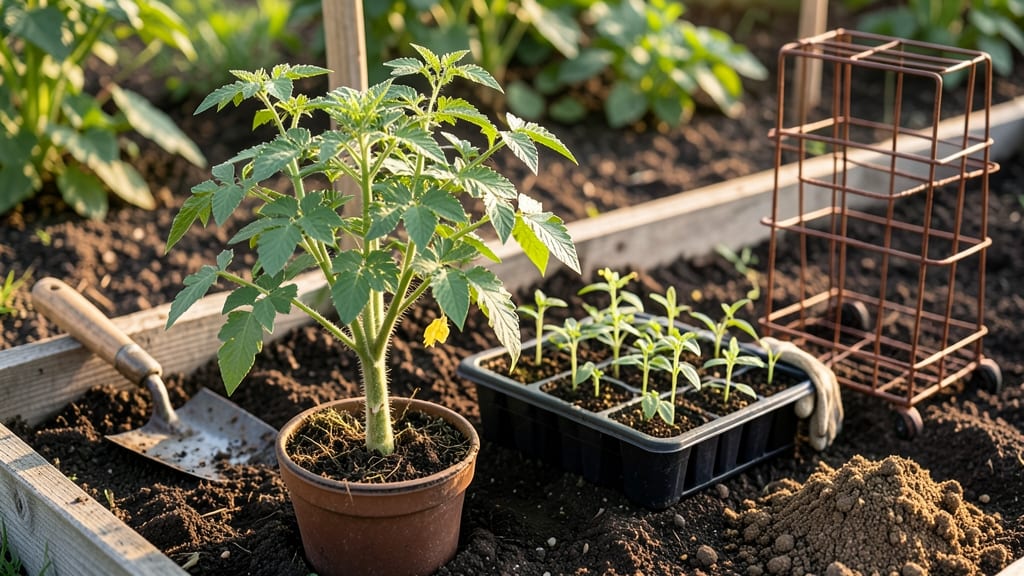
Timing when you should plant tomatoes in Ohio can mean the difference between a bountiful harvest and a sad, frost-bitten garden. With Ohio's unpredictable spring weather, knowing exactly when to plant is more than just a suggestion—it's the key to success for your 🍅 plants.
Most Ohio gardeners wait until after the last frost date in mid-April to early May, but there's more to it than just checking the calendar.
Soil temperature plays a crucial role, and rushing too early can leave your seedlings vulnerable to cold snaps that can stunt their growth or even kill them.
In this guide, I'll break down everything you need to know, from the best planting windows for Ohio's USDA Zone 6a to how to choose varieties that thrive in our climate.
Whether you're a seasoned gardener or just starting out, these insights will help you avoid common mistakes and maximize your tomato harvest from June through October.
Ready to grow bigger, healthier tomatoes? Let's dive into the perfect planting timeline tailored just for Ohio gardeners like you.
Ohio’s frost-free planting zones: when to start tomatoes by region
Ohio’s diverse climate means last frost dates vary dramatically from northern to southern regions—sometimes by weeks. In USDA Zone 5 (northwest Ohio, like Toledo), you’ll need to wait until mid-May for safety, while Zone 6-7 (Columbus, Cincinnati) can plant as early as mid-April.
These differences directly impact your tomato varieties and harvest timing.
To avoid frost damage, always check your local frost-free date (most Ohioans use April 15 as a baseline, but verify with your county extension office).
For example, Cleveland’s last frost averages April 20, while Dayton’s is closer to April 5. Planting too early risks blackened leaves or stunted growth.
Here’s how Ohio’s regions break down for tomato planting, including indoor starts and outdoor transplants:
| Region | USDA Zone | Avg. Last Frost | Indoor Start (Seeds) | Outdoor Transplant | Harvest Window |
|---|---|---|---|---|---|
| Northwest (Toledo, Lima) | 5b-6a | April 20–May 5 | March 1–15 | May 10–20 | July–September |
| Northeast (Cleveland, Akron) | 6a | April 15–25 | February 28–March 10 | April 25–May 5 | June–October |
| Central (Columbus, Dayton) | 6a-6b | April 5–15 | March 1–15 | April 15–May 1 | June–October |
| Southwest (Cincinnati, Dayton) | 6b-7a | March 25–April 5 | February 15–March 1 | April 1–15 | May–November |
If you’re starting seeds indoors, begin 6-8 weeks before your last frost date. For example, Cincinnati gardeners should start seeds by February 15 to transplant outdoors by April 1.
Use grow lights if natural light is limited—tomatoes need 12-16 hours of light daily to avoid leggy seedlings.
For direct sowing (planting seeds outdoors), wait until soil temperatures reach 60°F+—use a soil thermometer to check. In cooler zones like Toledo, this might not happen until late May. Black plastic mulch can warm soil by 5-10°F, letting you plant 2-3 weeks earlier.
Pro tip: Succession planting works well in Ohio. After your first early-maturing variety (like ‘Stupice’) is harvested, replant with a mid-season tomato (like ‘Better Boy’) to extend your harvest until first frost. This ensures you’re not left with unripe fruit on the vine.
Always monitor weather forecasts in the week before transplanting. A late frost can devastate young plants, but with the right timing, Ohio’s 165 frost-free days are more than enough for bountiful tomato harvests.
🌱
Best tomato varieties for Ohio’s short growing season & how to time them
Ohio’s short growing season (about 165 frost-free days) demands careful variety selection—some tomatoes simply won’t mature before the first frost. The key is matching days to maturity with your planting window, whether you’re in chilly Toledo (Zone 6a) or warmer Columbus (Zone 6b).
Early varieties like ‘Early Girl’ (50-55 days) are your best bet for a reliable harvest, while late-season ‘Brandywine’ (80+ days) needs a head start indoors.
For northern Ohio, prioritize determinate varieties (bush-type) that ripen quickly and produce fruit all at once—perfect for canning. Southern Ohio gardeners can stretch their season with indeterminate varieties (vining types) like ‘Sungold’, which keep producing until frost.
The trick? Start seeds indoors 6-8 weeks before your last frost date (mid-April for most of Ohio) to give them a head start.
Here’s how to pair varieties with Ohio’s timeline for maximum success:
Pro tip: If you’re in Zone 6a (northern Ohio), avoid late varieties like ‘Cherokee Purple’ (85+ days) unless you’re willing to gamble on a short season.
Instead, opt for ‘Patio’ or ‘Tiny Tim’ (dwarf varieties) that mature in 50-60 days—they’re perfect for containers and can be planted as late as May 15 with protection.
For southern Ohio (Zones 6b-7), you’ve got more flexibility. Try succession planting with ‘Celebrity’ (65 days) every 2 weeks from mid-April to early June for a staggered harvest. And if you love heirlooms, start them indoors in February and use a cold frame to extend the season.
Remember: Ohio’s humidity and late blight are real threats. Choose resistant varieties like ‘Mountain Merit’ or ‘Defiant PhR’, and always plant stakes or cages early to avoid damaging