
Companion Plants
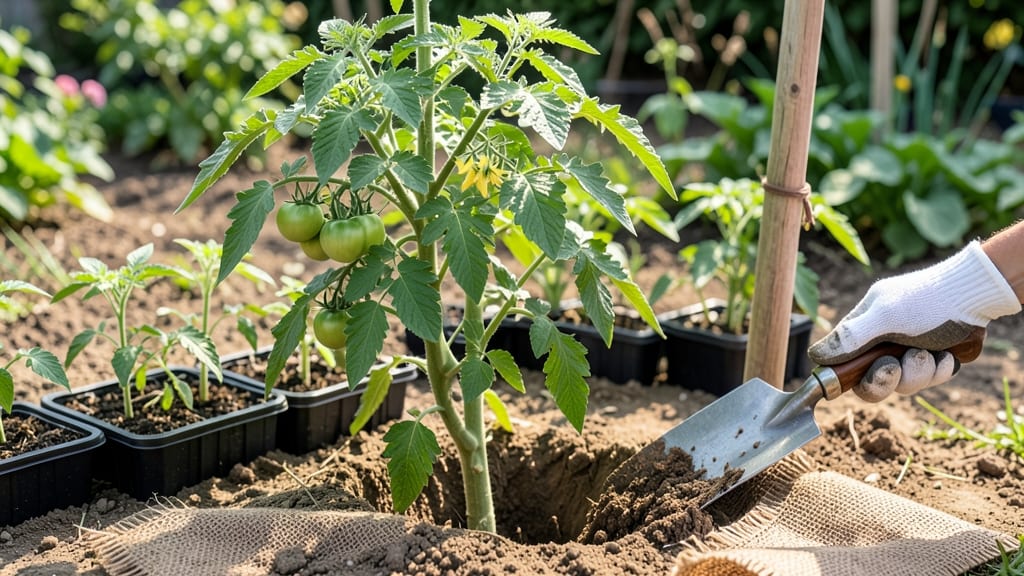
If you’ve ever planted tomatoes in Texas only to watch them bolt into flowers before producing a single juicy fruit, you’re not alone—and the problem starts with timing.
Getting those 🍅 seedlings in the ground too early or too late means Mother Nature will either freeze them out or force them to race against the summer heat, leaving you with bitter disappointment.
Texas gardeners know the stakes: miss the 3 critical deadlines for your region, and you’ll either lose your plants to frost or watch them flower prematurely in the sweltering heat. The good news?
With the right planting window—whether you’re in North, Central, or South Texas—you can outsmart the climate and enjoy a bountiful harvest from May through October (or even later in warmer zones).
I’ve spent years perfecting my own tomato schedule, and what I’ve learned could save your plants from bolting before they bear fruit. From soil temperature tricks to heat-tolerant varieties, I’ll walk you through exactly when to plant, how to avoid common pitfalls, and which tomatoes thrive in Texas’ brutal summers.
Let’s get those seeds in the ground the right way—once.
Whether you’re a first-time gardener or a seasoned grower, nailing the timing is the key to flavorful, homegrown tomatoes that beat the grocery store every time. Ready to turn your Texas garden into a tomato powerhouse? Let’s dive in.
Texas tomato planting deadlines by region: North vs. Central vs. south zones
Texas stretches across three distinct growing zones, each with its own frost dates and heat thresholds. Planting tomatoes at the wrong time means either frost damage or premature bolting—neither of which ends well for your harvest.
Let’s break down the critical deadlines for each region to ensure your tomatoes thrive.
In North Texas (Zones 8a-8b), the last frost typically hits around March 15, giving you a 100-150 day growing season. This means your last chance to plant for a summer harvest is early May.
Miss that window, and you’ll be dealing with 100°F+ heat that forces tomatoes to bolt before fruiting.
Central Texas (Zones 8b-9a) enjoys a 120-180 day growing season, with last frosts around February 15 in the south and March 15 in the north.
Here, you can stretch your planting window to early June, but only if you choose heat-tolerant varieties and provide afternoon shade during peak summer.
South Texas (Zones 9b-10a) is the most forgiving, with no frost risk in many areas and a 150+ day growing season. However, the real challenge is avoiding summer heat stress.
Plant your fall tomatoes between September and November to escape the worst of the heat while still enjoying a harvest before winter sets in.
| Region | Last Frost Date | Planting Window | Heat Risk | Key Tip |
|---|---|---|---|---|
| North Texas | March 15 | Mid-February to early May | High (June-August) | Use black plastic mulch to warm soil. |
| Central Texas | February 15-March 15 | Late January to early June | Very High (July-August) | Plant heat-tolerant varieties like 'Heatmaster'. |
| South Texas | None (Zone 10a) | September to November | Moderate (summer) | Avoid planting in peak summer heat. |
For North and Central Texas, aim to transplant seedlings when soil temperatures hit 60°F. Use a soil thermometer to monitor—cold soil delays growth and increases bolting risks.
In South Texas, focus on fall planting to avoid the oppressive summer heat, which can cause flowers to drop before setting fruit.
Pro tip: If you’re in North Texas and want a second harvest, try late summer transplants (August-September) using fast-maturing varieties. Just be prepared to protect them from early fall frosts with row covers or cold frames.
Regardless of your zone, avoid planting too early—even if the weather looks mild. A single late frost can devastate young plants, and Texas is notorious for unpredictable spring weather. When in doubt, wait until the last frost date has passed and soil is consistently warm.
One more critical factor: day length. Tomatoes in long, hot Texas summers can bolt if days get too short or temperatures spike. If you notice your plants stretching tall with yellowing leaves, it’s time to act—we’ll cover bolting fixes in the next section.
Remember, Texas tomatoes thrive with precision timing. Whether you’re in freeze-prone North Texas or tropical South Texas, sticking to these deadlines will give you the best chance for a bountiful, bolting-free harvest.
Texas tomato planting deadlines by region: North vs. Central vs. south zones
Texas stretches across three distinct growing zones, each with its own last frost dates and heat tolerance thresholds for tomatoes. In North Texas (like Dallas or Fort Worth), you’ve got about 100-150 frost-free days, while Central Texas (Austin, San Antonio) enjoys 120-180 days.
Down in South Texas (Houston, Corpus Christi), the growing season can last 150+ days—but the real challenge is avoiding premature bolting from relentless summer heat.
For North Texas, aim to plant transplants after April 15 and seeds after May 1 to avoid late frosts that can still hit in March. Central Texas gardeners have more flexibility, with ideal transplanting windows from March 1 to April 30 and direct sowing from April 15 to May 15.
Meanwhile, South Texas can start as early as February 15 for transplants, but beware—soil temperatures above 85°F will trigger bolting.
Pro tip: Use black plastic mulch in cooler zones to warm soil faster, or shade cloth in South Texas to protect seedlings from scorching. For extended harvests, try a fall planting in North/Central Texas (August–September) or a winter crop in South Texas (October–November).
Just remember—tomatoes need 60°F soil to thrive, so always check with a soil thermometer before planting.
If you’re in a transition zone (like East Texas), err on the side of planting 1-2 weeks later than the Central Texas guidelines. Humidity here can also increase disease pressure, so prioritize spaced planting and good airflow between rows.
For container growing, stick to determinate varieties and plant in May–June to avoid heat stress.
One mistake I made my first year was planting too early in Central Texas—my seedlings bolted by June!
Now, I wait until mid-April for transplants and use drip irrigation to keep roots cool. Heat-tolerant varieties like ‘Solar Fire’ or ‘Heatmaster’ are my go-tos for avoiding bolting in the Lone Star State’s brutal summers.
For succession planting, add another round of transplants every 2-3 weeks after your initial planting. This stretches your harvest and ensures you’re not overwhelmed with ripe tomatoes all at once. Just don’t plant after July 15 in North Texas—your plants will struggle to mature before the first frost.