
Planting
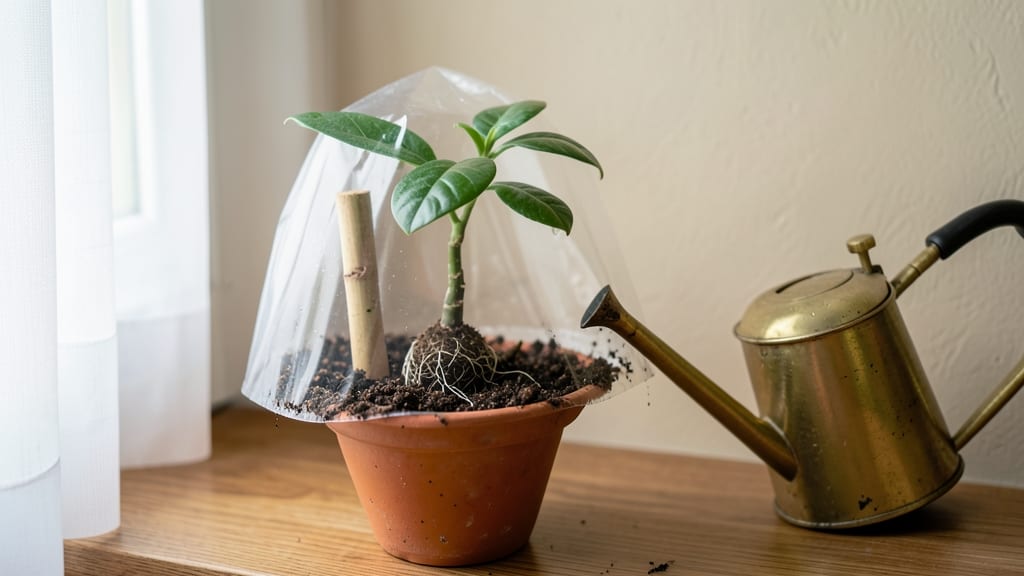
There’s nothing quite like watching that first 🥑 avocado seed sprout into a tiny green plant—but when should I put my avocado plant in soil makes all the difference between a thriving tree and a sad, wilted seedling.
The key isn’t just waiting until spring; it’s checking your plant’s roots for the perfect signs of readiness.
Most gardeners assume you should transplant after 6-8 weeks, but that’s too vague. Your avocado plant needs 2-3 inches of healthy roots before hitting soil, and timing it right—after last frost in USDA Zone 6—sets the stage for strong growth.
Skip this step, and you risk stunted roots or shock.
I’ll walk you through the 3-step root check to know exactly when your plant is ready, plus how to prep the soil and pot for a smooth transition. No more guesswork—just a foolproof method to give your 🥑 avocado the best start possible.
Ready to avoid the most common transplant mistakes? Let’s get your seedling into soil the right way—so it grows into a lush, fruit-bearing tree instead of a sad afterthought on your windowsill.
How to check avocado plant roots: the 3-Step transplant readiness test
Transplanting your avocado plant too early can stunt its growth, while waiting too long risks root damage. The key is checking for healthy root development—specifically, roots that are 2-3 inches long and white or pale yellow.
These signs indicate your seedling is ready to handle soil stress and establish itself properly.
Start by gently removing your avocado plant from its water glass or growing medium. Use your fingers to loosen the roots if they’re tangled—avocado roots are delicate but resilient. Look for secondary roots branching off the main root; this shows strong root system development, a critical indicator of transplant readiness.
If your plant’s roots are still short (under 1 inch), mushy, or brown and rotting, it’s not ready for soil. Return it to water for 1-2 more weeks and monitor closely.
Overwatering in the glass stage is the #1 cause of weak roots, so ensure only 1-2 inches of the pit are submerged at all times.
🌱 Key Takeaways for Avocado Root Readiness
Timing your transplant also depends on your climate zone. In USDA Zones 9-11, you can transplant year-round, but aim for spring (March-May) when temperatures stay above 60°F (15°C).
For Zones 6-8, wait until after the last frost date—typically mid-April to early May—to avoid cold shock.
Before transplanting, acclimate your plant to outdoor conditions over 3-5 days. Place it in a shaded spot for a few hours daily, then gradually increase sunlight exposure. This hardens the plant and reduces transplant shock, which can cause leaf drop or stunted growth.
When checking roots, pay attention to the root tip. Healthy tips should be sharp and white, not blunt or dark. If you see blackened tips, your plant has been overwatered and needs immediate drying time (reduce water to 1 inch submerged) before attempting soil transplant.
Once your avocado plant passes the 3-step test (length, color, and branching), it’s ready for soil. Choose a well-draining potting mix (see next section) and a pot at least 6 inches deep to accommodate its root system. Water thoroughly after transplanting to help roots settle into their new home.
After transplanting, place your avocado in a bright, indirect light spot for 1 week to monitor its adjustment. Avoid direct sun initially, as it can stress the plant. Look for new leaf growth within 2-3 weeks—this confirms successful transplanting.
Remember: Patience is key. Rushing the transplant process is the #1 reason avocado seedlings fail. If your roots aren’t ready, wait another 1-2 weeks—your plant will thank you with stronger, healthier growth down the line.
Best soil and pot setup for avocado seedlings: what to use and why
Now that your avocado plant has strong, healthy roots, the next step is choosing the right soil mix and pot size to ensure a smooth transition. Avocados thrive in well-draining, slightly acidic soil with a pH between 5.5 and 7.0.
Using the wrong soil can lead to root rot or nutrient deficiencies, so let’s break down your options.
For container-grown avocados, opt for a pot that’s at least 6 inches deep and 8 inches wide to accommodate root growth. Terracotta pots are ideal because they allow excess moisture to evaporate, preventing waterlogged roots.
If you’re planting outdoors, choose a location with well-draining soil and partial shade during the hottest part of the day.
🌱 Summary Table: Best Soil and Pot Setup for Avocado Seedlings
| Requirement | Specification |
|---|---|
| Soil Type | Well-draining, slightly acidic (pH 5.5-7.0) |
| Pot Size (Container) | 6+ inches deep, 8+ inches wide |
| Drainage | At least 1 drainage hole per pot |
| Soil Mix (DIY) | 50% potting soil, 30% perlite, 20% compost |
| Fertilizer (First 3 Months) | Balanced 6-6-6 or 8-3-9 (lightly) |
You can create a DIY soil mix by combining 50% potting soil, 30% perlite or sand, and 20% compost. This blend ensures aeration and prevents compaction, which is crucial for root health.
Avoid garden soil from your yard, as it may be too dense and retain too much moisture.
When transplanting, gently loosen the roots if they’ve become tangled or circling in the water glass. Place the plant in the center of the pot, ensuring the root crown sits just above soil level.
Fill the pot with your soil mix, pressing lightly to remove air pockets. Water thoroughly after planting to help settle the soil and reduce transplant shock.
After transplanting, place your avocado seedling in a spot with bright, indirect light for the first week. Gradually introduce it to full sun over the next 2-3 weeks.
Avoid fertilizing for the first month, as the plant needs time to adjust to its new environment. Instead, focus on keeping the soil consistently moist but not soggy.
With the right soil mix and pot setup, your avocado plant will have the best chance to thrive. Monitor its progress and adjust care as needed—your patience will pay off with a lush, healthy tree! 🌿