
Planting
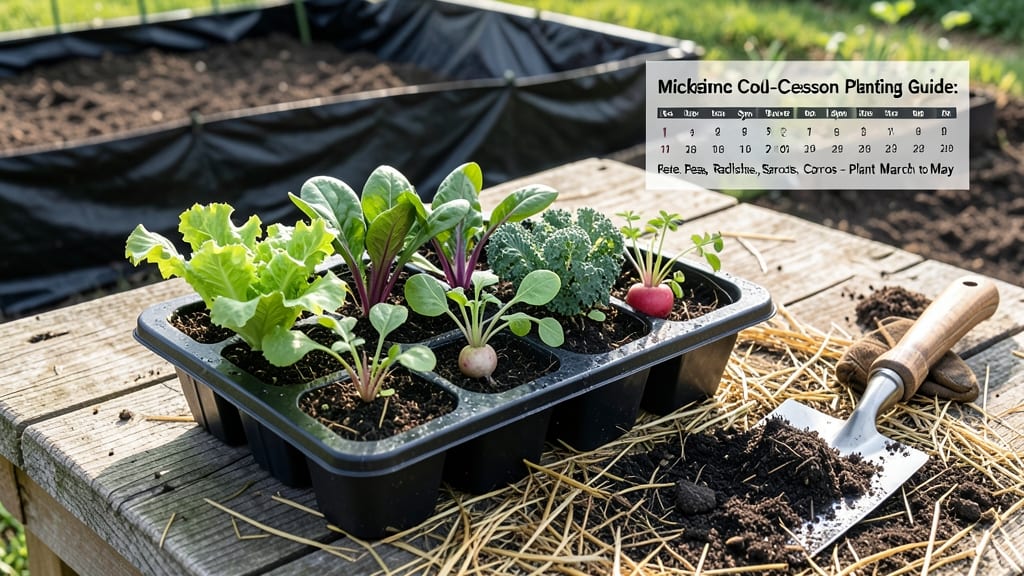
When should you plant a garden in Michigan? Timing your garden in Michigan isn’t just about throwing seeds in the dirt—it’s the difference between a thriving harvest and a sad, frozen mess.
With frost dates that can shift mid-April to early June, knowing exactly when to plant your 🌱 General Garden Vegetables & Flowers is the key to success in zones 5-6.
I’ve spent years watching Michigan gardens struggle because of rushed starts or missed windows. The good news? A little planning turns guesswork into guaranteed growth.
Whether you’re a first-time gardener or a seasoned pro, mastering these planting windows will help you beat frost, extend your season, and enjoy fresh produce from June through October.
Let’s break down the exact months to plant cool-season crops (like lettuce and peas) versus warm-season favorites (tomatoes and peppers). You’ll also discover how to stretch your season with simple tricks—because Michigan’s short but sweet growing window deserves every advantage.
Ready to turn your garden dreams into reality? Here’s your step-by-step guide to planting at the perfect time—no more wasted seeds or missed harvests.
Michigan’s frost-free dates by USDA hardiness Zone & last average frost timeline
Michigan spans USDA Zones 4-6, meaning frost dates vary dramatically from the Upper Peninsula (Zone 4) to southern regions like Detroit (Zone 6). These differences dictate when you can safely plant cool-season crops like spinach or warm-season crops like tomatoes.
For example, northern Michigan’s last frost typically arrives 2-3 weeks later than southern areas.
To plan effectively, bookmark these average last frost dates by region: Mid-April (Zone 6), Late April (Zone 5), and Early May (Zone 4).
First frosts usually hit Mid-October in Zone 6 and Early October in Zone 4. Always verify with your local Cooperative Extension Service for yearly updates.
Understanding these zones helps you align planting with Michigan’s short growing season. Cool-season crops like peas and lettuce can handle light frosts, while warm-season crops like peppers need consistent warmth after the last frost. Even a 1-week delay can mean the difference between a thriving garden and stunted growth.
Here’s how Michigan’s zones break down for planting:
For cool-season crops, start seeds indoors 4-6 weeks before your last frost. For example, in Zone 6 (Detroit), that means mid-February for spinach or kale. Warm-season crops like tomatoes and peppers need to wait until 2-3 weeks after your last frost date to avoid frost damage.
Pro tip: Use row covers or cold frames to extend your planting window by 2-4 weeks in spring and fall. This trick lets you sow cold-hardy greens like arugula as early as March or keep harvesting kale and carrots into November.
Michigan’s growing season averages 140–180 frost-free days, so prioritize fast-maturing varieties (e.g., bush beans in 50 days) over slow growers like artichokes (120+ days). Succession planting—sowing every 2 weeks—ensures a steady harvest of lettuce, radishes, or green onions all season.
Don’t let Michigan’s unpredictable weather derail your garden. Track local frost data, adjust for microclimates (e.g., urban areas warm up faster), and always have backup row coversbountiful harvests from spring to fall.
🌱
Best planting schedule for Michigan’s most popular vegetables & herbs
Michigan’s cool and warm-season crops thrive when planted at precise times to avoid frost damage. Cool-season crops like lettuce and peas can handle early spring or fall planting, while warm-season crops like tomatoes and peppers need warmer soil to germinate. My garden’s best harvests come from following these proven timelines!
For cool-season vegetables, start seeds indoors 4-6 weeks before your last frost date—typically late March to early April. Direct-sow hardy crops like spinach and carrots 2-3 weeks before the last frost, around mid-April. Herbs like cilantro also love cool weather and can be planted in early spring or late summer for a fall harvest.
Warm-season crops like tomatoes, peppers, and beans need to wait until 2-3 weeks after the last frost date, usually late May to early June. Succession planting every 2 weeks ensures a steady supply of lettuce, radishes, and bush beans throughout the summer.
I always mark my calendar for July 4th as a safe bet for warm-season planting in most of Michigan!
Don’t forget about fall planting! Many cool-season crops thrive in Michigan’s mild autumn weather. Spinach, kale, and radishes can be sown as late as early September, with harvests stretching into October. Garlic is a special case—plant cloves in October for a summer harvest the following year!
For herbs like dill and parsley, I’ve found that late summer planting (August) gives them enough time to establish before frost. Succession planting every 10-14 days keeps my herb garden productive all season. Pro tip: Use shade cloth in summer to protect delicate herbs from scorching!
Remember, Michigan’s microclimates vary—urban areas may warm up faster than rural spots. Always check your local frost-free date (usually May 10-20) and adjust planting times accordingly. With this schedule, you’ll enjoy homegrown harvests from spring to fall! 🌱🌿