
Plants
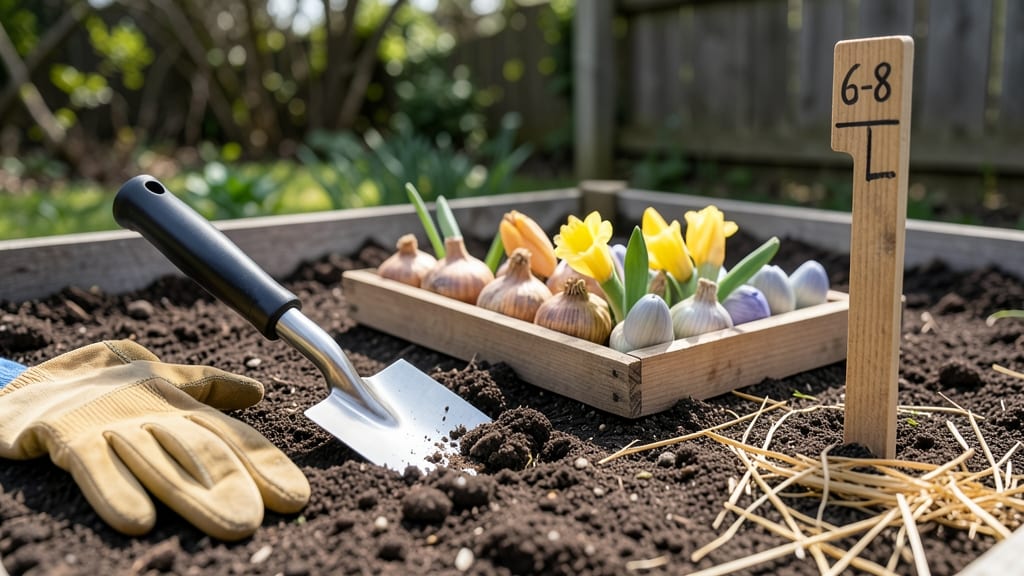
Planting your 🌱 bulbs in the ground (General) at the wrong time can mean the difference between a stunning spring display and a disappointing flop. If you’ve ever wondered why some gardeners get vibrant blooms while others struggle, timing is the key factor you might be overlooking.
For those in USDA Zone 6a, like me, the perfect window opens in fall—specifically, 6-8 weeks before the first frost. That means getting those bulbs in the ground by late September or early October.
But what if you missed that window? Don’t worry—early spring is your second chance, about 4-6 weeks before your last frost, typically around March or April.
Why does this matter so much? Bulbs need time to establish roots before the ground freezes or warms up. Plant too early, and they’ll rot; too late, and they won’t bloom.
I’ll walk you through the exact steps to time it right, whether you’re a beginner or just looking to refine your technique.
Ready to transform your garden? Let’s dive into the zone-specific months and soil conditions that will set you up for success—no guesswork required.
Zone-specific months for planting bulbs: a guide by USDA hardiness Zones
Planting bulbs at the right time ensures they root before winter’s chill sets in or summer’s heat arrives. Most spring-blooming bulbs—like tulips and daffodils—thrive when planted in fall, while summer bloomers (e.g., dahlias) prefer spring.
Your USDA zone dictates the perfect window, so let’s break it down by region to avoid missed opportunities.
For USDA Zones 3-5 (cold climates like Minnesota or New York), aim to plant bulbs 6-8 weeks before the first frost, typically between September and October.
In warmer zones like Zones 8-11 (Florida or Southern California), the window shifts to November or even December to avoid winter rains or extreme heat.
Spring planting is ideal for Zone 10+ or if you missed the fall deadline. Plant in February or March, ensuring the soil is 60°F or warmer and no hard frosts are forecasted. Summer-blooming bulbs (e.g., gladiolus) can even go in as late as April in these zones.
| USDA Zone | Fall Planting Window | Spring Planting Window | Key Bulb Types |
|---|---|---|---|
| Zones 3-5 | September-October (6-8 weeks before frost) | April-May (after last frost) | Tulips, Daffodils, Hyacinths, Crocus |
| Zones 6-7 | October-November (soil temp 60°F) | March-April (soil 50°F+) | Alliums, Fritillaries, Snowdrops |
| Zones 8-9 | November-December (avoid winter rains) | February-March (no frost risk) | Dahlias, Lilies, Cannas |
| Zone 10+ | December-January (cool season only) | January-April (year-round in mild climates) | Gladiolus, Rain Lilies, Daylilies |
🌱 Pro Tip: Use a soil thermometer to confirm 50-60°F soil temps before planting.
In Zone 6a (like much of the Midwest), I plant daffodils in late October to ensure they root before the ground freezes. If you’re in a warmer microclimate (e.g., a sheltered garden bed), you might extend planting by 2-3 weeks.
Always check your local frost dates—extension offices or apps like Old Farmer’s Almanac are reliable sources.
For summer-blooming bulbs, timing shifts to spring. In Zones 3-5, plant dahlias or gladiolus in May after the soil warms to 60°F. In Zones 8-11, you can start as early as March, but protect them from late frosts with row covers.
Missed the fall window? Don’t panic. Spring planting works for most bulbs, though they may bloom 4-6 weeks later than fall-planted varieties. Just ensure the soil is workable and moist—never plant in dry or frozen ground.
In Zone 9, I’ve successfully planted tulip bulbs in February and still gotten stunning blooms!
Regional quirks matter too. In Pacific Northwest (Zone 7-8), wet winters can rot bulbs if planted too late. Aim for October and amend soil with compost to improve drainage. Conversely, in dry Southwest zones (Zone 9-10), planting in December avoids summer heat stress.
Test your soil’s readiness with the finger test: Push your finger into the soil—if it’s easy to insert but not muddy, it’s perfect for planting. Pair this with a weather forecast for no hard frosts in 6 weeks to lock in success.
Remember, bulbs need time to root before extreme weather hits. A general rule: 6-8 weeks before frost for fall planting or 4-6 weeks before last frost in spring. Adjust for bulb size—larger bulbs (like lilies) need deeper, earlier planting than small crocus.
Signs your soil is ready: 5 key indicators to plant bulbs at the perfect time
Planting bulbs when your soil is ready makes all the difference between a thriving garden and wasted effort. I’ve learned the hard way that rushing into the ground too early—when soil is still too cold or soggy—can rot bulbs before they even sprout.
The key is waiting for the right conditions, which depend on soil temperature, moisture, and weather forecasts.
First, check the soil temperature—it should be between 50-60°F for most spring-blooming bulbs. Use a soil thermometer (they’re cheap!) to test a few inches deep. If your zone’s first frost is still weeks away, but the ground is already warmer than 60°F, it’s time to plant.
For me in Zone 6a, that usually means late September to early October.
🌱 Numbered Highlights: 5 Soil Readiness Checks
- Soil Temp: 50-60°F (use a thermometer)
- Moisture: Damp but not waterlogged (squeeze a handful—it should crumble)
- Weather: No hard frost forecast for 6+ weeks
- Drainage: Water disappears in 1-2 hours (no puddles)
- Time Left: 4-6 weeks until last frost (spring) or first frost (fall)
Next, test moisture levels—bulbs need slightly damp soil, not a swamp. Grab a handful and squeeze: if it holds its shape, it’s too wet; if it crumbles, it’s perfect.
I often add a 1-inch layer of compost to improve drainage before planting. This step is critical in heavy clay soils, where bulbs can suffocate if water doesn’t drain properly.
Don’t ignore the weather forecast, either. If your local meteorologist predicts a hard freeze within 2-3 weeks, you’re running out of time. I once planted daffodils in early November, thinking I had more time—only for a surprise frost to kill the tops before roots could establish.
Now, I always check the 10-day forecast before digging.
Finally, consider drainage. Bulbs rot in soggy soil, so if your garden holds water after rain, amending the bed with sand or perlite can save your bulbs. A quick test: Dig a hole, fill it with water, and time how long it takes to drain.
If it’s slower than 1-2 hours, improve the soil first.
When all five signs align—right temperature, moisture, weather window, drainage, and timing—your bulbs are ready to go in the ground. Trust me, a little patience now means stunning blooms next spring with zero guesswork. 🌷