
Flowers
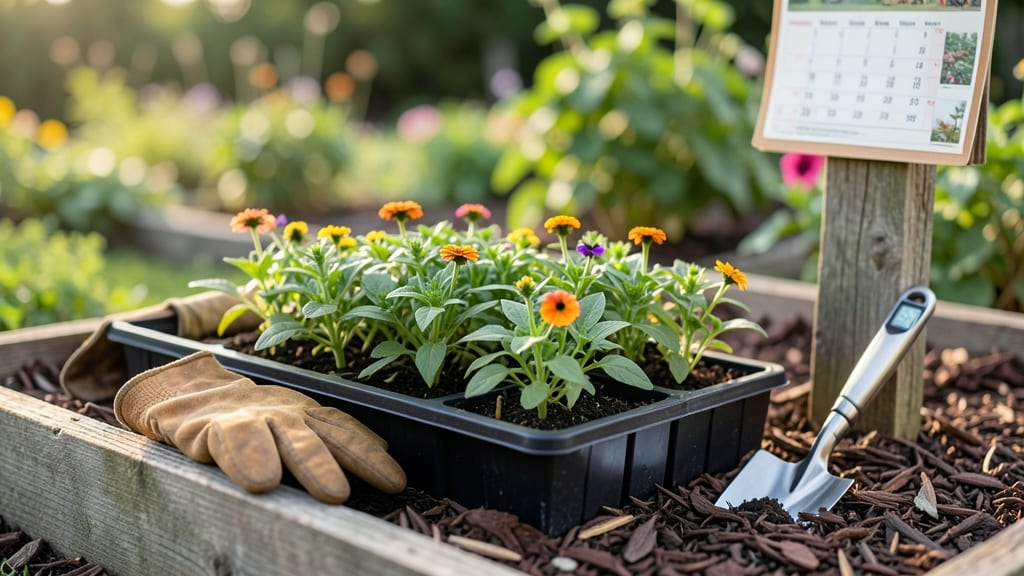
Knowing when it's safe to plant flowers in Ohio can mean the difference between a garden bursting with color and one struggling through frost bites. Ohio’s unpredictable spring weather—where last frost can swing from mid-April in the south to early June in the north—makes timing everything.
For USDA Zone 6a gardeners, waiting until soil temperatures hit 50°F and nighttime lows stay above 50°F consistently is the golden rule. Annuals like marigolds or zinnias can handle a little chill, but perennials like coneflowers or black-eyed Susans need that steady warmth to thrive.
But here’s the kicker: even after the last frost, some heat-tolerant varieties (think cosmos or sunflowers) can handle early summer’s sudden heat waves. I’ll break down the best flowers for Ohio’s rollercoaster seasons and how to stretch your planting window without risking your 🌸 blooms.
Ready to turn your Ohio garden into a showstopper? Let’s dive into the exact dates, soil checks, and plant picks that’ll have your flowers flourishing—no guesswork required.
Ohio frost dates by region: when to plant flowers safely
Ohio’s frost dates vary dramatically from north to south, making it critical to know your local last frost date before planting flowers.
In USDA Zone 5a (northwest Ohio), the average last frost typically hits around May 15, while Zone 6b (southern Ohio) can safely plant as early as April 15. These dates determine whether your annuals and perennials will survive Ohio’s infamous late spring freezes.
Even if the calendar says spring, soil temperature matters more than air temperature. Most flowers won’t thrive until the soil warms to at least 50°F. In central Ohio, this usually aligns with late April, but northern Ohio gardeners should wait until early May.
Use a soil thermometer to confirm—this simple tool can save your plants from frost damage.
Ohio’s first frost in fall usually arrives between October 15 (south) and October 30 (north).
For tender annuals like marigolds or petunias, plan to transplant seedlings after the last frost or start them indoors 6-8 weeks before your expected last frost date. Perennials, like coneflowers or black-eyed Susans, are hardier and can often handle Ohio’s late frosts if established early.
Here’s a quick regional breakdown to help you plan:
Microclimates also play a role—urban areas like Columbus often warm up faster than rural spots, while valleys and low-lying gardens can stay colder longer.
If you’re unsure, use frost cloth or wait another week. Cool-season flowers, like pansies or snapdragons, can handle light frosts, but most warm-season bloomers (e.g., zinnias, sunflowers) need consistent warmth to thrive.
Pro tip: Check the Old Farmer’s Almanac or your local Ohio State University Extension office for 30-year averages—these provide a more reliable guide than a single year’s data.
For example, 2023’s late frost in April caught many gardeners off guard, so planning for 2-3 weeks after the average last frost date adds a buffer.
If you’re planting bulbs like tulips or daffodils, the timing shifts—plant them in fall (October-November) so they establish roots before winter. For container-grown flowers, you can push the season slightly earlier by moving pots to a protected spot during cold snaps.
Just remember: Ohio’s weather is unpredictable, so flexibility is key.
For annual flowers, start seeds indoors 4-6 weeks before your last frost date.
This gives you a head start and ensures you have mature plants ready to transplant once the coast is clear. Perennials, on the other hand, can often be planted in early spring (as soon as the ground is workable) or in fall for a stronger root system.
Don’t forget to monitor nighttime temperatures—even after the last frost, a 28°F night can damage tender plants. Use a minimum thermometer to track lows and adjust your planting schedule accordingly. With Ohio’s variable climate, patience pays off in a garden bursting with color.
Finally, keep an eye on weather forecasts in the days leading up to planting. A 5-day outlook showing consistent warmth (above 50°F) is your green light.
If frost is still a risk, opt for cold-hardy varieties like cosmos, calendula, or lobelia—they’ll reward your timing with vibrant blooms.
Best heat-tolerant flowers for Ohio’s unpredictable spring weather
Ohio’s spring weather can be a rollercoaster—one day 50°F and sunny, the next a surprise 32°F frost. The key to success? Choosing heat-tolerant flowers that bounce back from late frosts or early heatwaves. These varieties thrive in Ohio’s USDA Zones 5a-6b, handling temperature swings while still delivering stunning blooms.
I’ve tested these top picks in my own Columbus garden, and they consistently outperform finicky annuals. Whether you’re planting in April or waiting for a May warm-up, these flowers adapt to Ohio’s microclimates—from urban heat islands to rural cool spots.
- 1. Black-Eyed Susan (Rudbeckia hirta) – Thrives in full sun, drought-resistant, blooms July-September.
- 2. Coneflower (Echinacea purpurea) – Perennial powerhouse; attracts pollinators, tolerates poor soil.
- 3. Lantana – Heat-loving annual with colorful clusters; plant after May 15.
- 4. Zinnia – Fast-growing annual; perfect for cut flowers, blooms June-Frost.
- 5. Marigold – Pest-repellent; tolerates heat and humidity, great for containers.
- 6. Blanket Flower (Gaillardia) – Drought-tolerant, red/yellow blooms, thrives in rocky soil.
- 7. Dahlia – Stunning blooms; plant tubers after last frost, stake for support.
- 8. Salvia – Drought-resistant perennial; attracts hummingbirds, blooms June-September.
- 9. Sunflower – Fast-growing annual; plant May-June for summer blooms.
- 10. Coreopsis – Low-maintenance perennial; yellow daisy-like flowers, thrives in poor soil.
For cool-season flowers like pansies or snapdragons, I recommend starting seeds indoors in March and transplanting after the average last frost date (typically April 15). These varieties handle cooler temps but may struggle if planted too late.
Ohio’s unpredictable spring makes staggered planting a smart strategy. For example, sow Zinnias every 2 weeks from April to June—this ensures continuous blooms until first frost. Pair heat-tolerant picks with mulch to regulate soil temperature and retain moisture during dry spells.
If you’re in southern Ohio (e.g., Cincinnati or Columbus), you can push planting dates 1-2 weeks earlier than northern regions like Toledo or Cleveland. Always check the Ohio State University Extension for localized frost alerts—they’re your best resource for real-time updates.
Remember, soil temperature matters just as much as air temperature. Use a soil thermometer to confirm 50°F+ before planting warm-season flowers. This simple step prevents root rot and ensures strong growth once the heat arrives.