
Plants
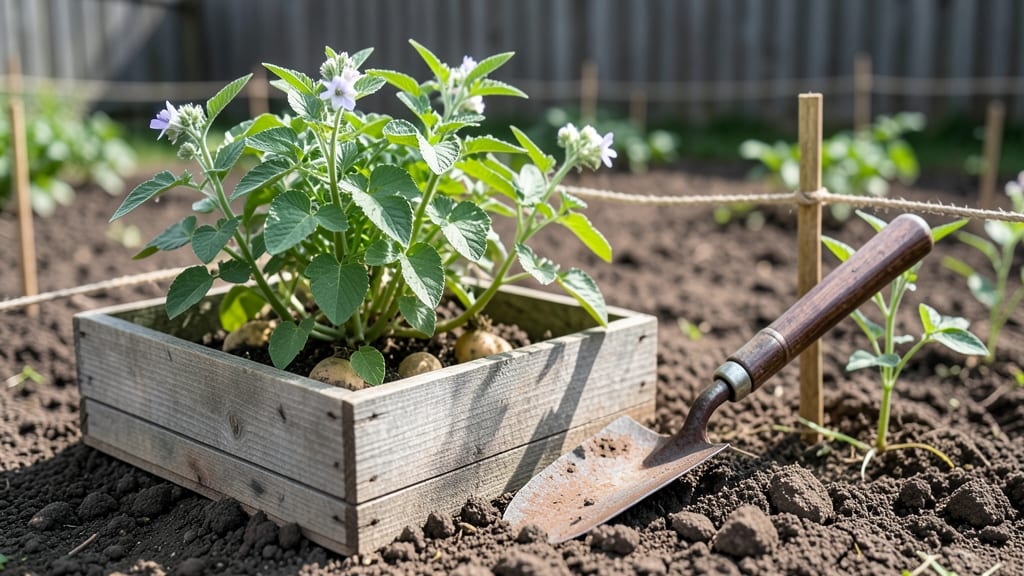
When should you plant potatoes in Michigan? Timing your potato planting in Michigan isn’t just about following a calendar—it’s about outsmarting unpredictable frost dates and short growing seasons to ensure a bountiful harvest. The right window between mid-April and early May can mean the difference between flourishing 🥔 hills and wasted seed potatoes.
With Michigan's USDA Zones 5b-6b, you're working with a tight schedule where late frosts can still threaten young plants. I've learned the hard way that planting too early risks frost damage, while waiting too long cuts your harvest window short.
The key lies in monitoring soil temperatures and choosing cold-hardy varieties that thrive in these conditions.
In this guide, I'll walk you through exactly when to plant for maximum success, which varieties perform best in Michigan's climate, and how to adjust your timeline if Mother Nature throws you a curveball. Let's get those potatoes in the ground at the perfect moment.
You'll discover the ideal planting window for your specific location, soil preparation tips to give your potatoes the best start, and how to recognize when you've planted too early.
By the end, you'll have a clear, actionable plan to grow more potatoes with less guesswork—because in Michigan, timing truly is everything.
Michigan potato planting timeline: best months by variety type
Michigan’s short growing season means getting your potatoes in the ground at the right time is everything. Plant too early, and frost will kill your sprouts; too late, and your harvest will suffer.
The key is understanding your last frost date—typically around April 15—and choosing varieties that mature before Michigan’s first frost in mid-October.
Most gardeners aim to plant potatoes between mid-April and early May, but this window shifts slightly depending on whether you’re growing early, mid-season, or late varieties. Early varieties like Yukon Gold can tolerate cooler soils, while late varieties like Russet need warmer temperatures to thrive.
Let’s break down the best planting times for each type.
🌱 Pro Tip: Use a soil thermometer—potatoes sprout best when soil reaches 45°F for early varieties and 50°F for late ones.
| Variety Type | Best Planting Window | Days to Maturity | Harvest Window | Notes |
|---|---|---|---|---|
| Early Varieties | Late April – Early May | 60–90 days | Late June – Early July | Tolerates cooler soil; ideal for short seasons. |
| Mid-Season Varieties | Early May – Mid-May | 90–110 days | Mid-July – Early September | Balanced maturity; best for most Michigan gardeners. |
| Late Varieties | Mid-May – Early June | 110–130 days | Late August – Early October | Needs warmer soil; risk of frost damage if planted late. |
For early varieties, you can even plant as soon as the soil is workable in late March or early April under row covers or in a greenhouse. This gives you a jump on the growing season and a harvest before summer heat sets in.
Just be ready to protect them if late frosts hit—cover with frost blankets or move containers indoors temporarily.
If you’re in northern Michigan (USDA Zone 5b), prioritize early or mid-season varieties to avoid frost. In southern Michigan (Zone 6b), you have more flexibility to experiment with late varieties, but always have a backup plan for unexpected cold snaps.
I’ve seen gardeners in Traverse City lose entire crops because they planted Russets too late—don’t make that mistake!
Another strategy is to plant a successive crop: start with early varieties in April, then follow up with mid-season in May. This way, you’ll have potatoes ready to harvest from late June through September, ensuring a steady supply. Just
Soil preparation is just as critical as timing. Work in compost or aged manure before planting to improve drainage and fertility. Potatoes hate soggy soil, so if your garden holds water, consider planting in raised beds or mounding soil around the plants as they grow. This also makes harvesting easier!
Once your potatoes are in the ground, keep an eye on the weather forecast. If a late frost is predicted, protect your young plants with row covers or a cloche.
And if you’re unsure about your last frost date, check your local Michigan State University Extension office—they provide free frost date maps tailored to your county.
Finally, mark your calendar for harvest time. Early varieties are ready by late June, while late varieties can wait until early October. The key is to harvest before the first frost—if tubers are exposed to freezing temps, they’ll turn black and inedible.
But don’t wait too long either; if left in the ground, potatoes can sprout or rot.
Timing your potato planting in Michigan isn’t just about the calendar—it’s about reading your soil, your climate, and your varieties. With the right approach, you’ll enjoy a bountiful harvest of crisp, homegrown potatoes all season long. 🥔
Michigan potato planting timeline: best months by variety type
Michigan gardeners know that timing is everything when it comes to growing potatoes. With USDA Zones 5b-6b and unpredictable spring frosts, planting too early can mean lost crops, while waiting too long risks a shorter harvest.
The key is aligning your potato variety with Michigan’s 150 frost-free days and soil temperatures that stay consistently above 45°F.
Most Michigan gardeners aim to plant their seed potatoes between mid-April and early May, once the soil has warmed enough to support root growth. However, not all potato varieties thrive on the same schedule.
Early varieties like Yukon Gold can tolerate cooler soils, while late varieties like Russet need warmer conditions to mature fully before frost.
Here’s my foolproof timeline for planting potatoes in Michigan, broken down by variety type:
| Variety Type | Planting Window | Soil Temp Requirement | Harvest Window | Days to Maturity |
|---|---|---|---|---|
| Early Varieties | Late April - Early May | 45°F+ | Late June - Early July | 60-90 days |
| Mid-Season Varieties | Early May - Mid-May | 50°F+ | Mid-July - Early August | 90-110 days |
| Late Varieties | Mid-May - Early June | 55°F+ | Late August - Early October | 110-130 days |
For early varieties, I recommend planting as soon as the soil is workable—usually by late April—to capitalize on Michigan’s short season. These varieties, like Red Pontiac or Kennebec, mature quickly and can even handle light frosts if covered with row covers or straw mulch.
If you’re in northern Michigan, aim for the earlier end of this window to avoid late frosts.
Mid-season varieties, such as Yukon Gold or Katahdin, strike a balance and are my go-to for consistent harvests. Plant these in early to mid-May when soil temperatures are reliably above 50°F.
These varieties give you flexibility—if early planting fails due to frost, you can replant mid-season varieties for a late-summer harvest.
If you love baking potatoes like Russet or Fingerling, save these for late May to early June planting. These late varieties need the longest growing season to develop their signature flavors and textures.
In southern Michigan, you might even squeeze in a second planting by June 1st, but avoid this in colder regions where frost can strike by mid-October.