
Planting
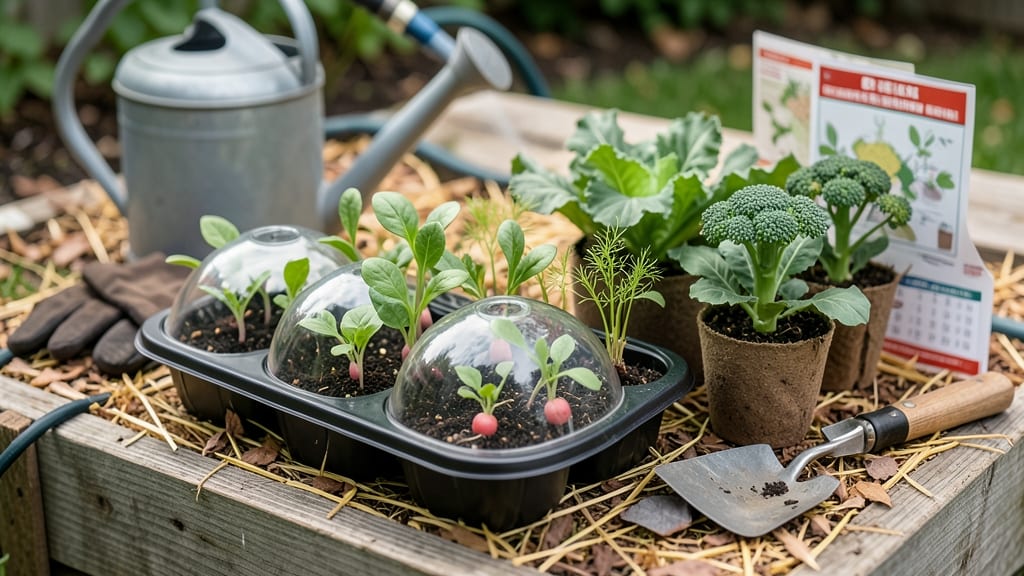
Timing your garden planting in Washington, DC, can feel like solving a puzzle—one wrong move, and your 🌱 garden could freeze before it even sprouts.
The city’s unique mix of urban heat islands and sudden cold snaps means last frost dates can shift by weeks, leaving many gardeners guessing whether to plant now or wait.
I’ve spent years tracking DC’s frost patterns, and what I’ve learned is that Zone 7a/7b gardeners need a flexible plan.
Whether you’re sowing cool-loving greens in early spring or racing to get tomatoes in the ground before summer’s heat peaks, knowing your microclimate’s quirks is the key to a bountiful harvest. Let’s break down the exact windows you need to avoid common mistakes.
From March’s first warm spells to November’s final frost warnings, DC’s growing season is short but packed with potential. I’ll show you how to use USDA maps and local data to pinpoint the best planting dates for your neighborhood—because what works in Ward 1 might fail in Ward 8.
Ready to stop second-guessing and start planting with confidence? You’ll leave here with a month-by-month schedule tailored to DC’s climate, plus pro tips for extending your season so you can enjoy fresh veggies from spring through fall.
Washington DC frost dates by Zone 7a/7b: when to plant cool vs warm season crops
Washington DC’s Zone 7a/7b climate gives gardeners a short but productive growing season, but timing is everything. The last spring frost typically arrives between March 15 and April 15, while the first fall frost usually hits October 15 to November 15.
These dates create a 180-210 day frost-free window, which dictates what you can grow and when.
Cool-season crops like lettuce, spinach, and peas thrive in DC’s spring and fall when temperatures hover between 40°F and 75°F. Meanwhile, warm-season favorites such as tomatoes, peppers, and cucumbers need consistent warmth above 60°F to flourish. Missing these windows can mean bolting greens or stunted fruiting plants.
Here’s how to align your planting with DC’s microclimates—urban areas like Capitol Hill may frost 1-2 weeks later than rural spots like Alexandria. Use these frost dates as your planting compass.
| Crop Type | Best Planting Window | Frost Sensitivity | DC-Specific Notes |
|---|---|---|---|
| Cool-Season Crops | March 15–April 15 (spring) / Sept 1–Oct 15 (fall) | High | Start seeds indoors 4–6 weeks before last frost. |
| Warm-Season Crops | April 15–May 15 (after last frost) | Very High | Use row covers for early starts; heat-loving plants need soil >60°F. |
| Leafy Greens (spinach, kale) | March–April / Sept–Oct | Moderate | Bolt-resistant varieties like ‘Winterbor’ kale work well. |
| Root Crops (carrots, beets) | April–May / July–Aug (fall) | Low | Loose soil prevents forking; sow every 2 weeks for continuous harvest. |
| Tomatoes & Peppers | May 1–June 1 (transplant) | Extreme | Start seeds indoors by April 1; use black plastic mulch to warm soil. |
For cool-season crops, aim to plant 4–6 weeks before the last frost date. For example, if your last frost is April 1, start spinach seeds indoors by February 28. Warm-season crops like tomatoes and peppers must wait until soil temperatures reach 60°F+, usually mid-May in DC.
Use USDA Plant Hardiness Zone Map tools to refine your timing. DC spans Zone 7a (avg. min 0°F) and Zone 7b (avg. min 5°F), but urban heat islands can push microclimates into Zone 8 in summer. Check local National Weather Service frost alerts for real-time adjustments.
Pro tip: Succession planting maximizes DC’s short season. Sow lettuce every 2 weeks from March to September, and bush beans every 3 weeks from May to July. This ensures a continuous harvest even in a tight timeline.
If you’re unsure about your exact last frost date, use frost-sensitive plants like tomato seedlings as a test. Plant a few in early April—if they survive, you’re likely past the frost danger zone for that year.
Remember, fall planting is just as critical. Broccoli and cabbage planted in early September can mature before frost, giving you a second harvest before winter sets in.
For heat-loving plants like okra or sweet potatoes, start seeds after Memorial Day (late May) to avoid early-season frosts that can stunt growth. These varieties thrive in DC’s summer heat but won’t survive a late spring frost.
Always check seed packets
Best month-by-month planting schedule for DC gardens: what to sow in March through November
Washington DC’s short but productive growing season means every week counts. My month-by-month guide helps you align planting with DC’s Zone 7a/7b climate, from cool-season crops in spring to heat-loving veggies in summer. Think of it as your garden’s roadmap to avoid frost damage and maximize yields.
March kicks off planting season with hardy greens like spinach and kale, while April welcomes transplanted tomatoes and peppers after the last frost. Each month offers unique opportunities—succession planting in June keeps harvests flowing, and fall crops like carrots thrive as temperatures drop.
Let’s break it down month by month for a year-round DC garden.
📅 March (Cool Season)
- Start indoor seeds for tomatoes, peppers, and eggplants (6-8 weeks before last frost).
- Direct-sow peas, spinach, lettuce, and radishes into cool, moist soil.
- Test soil pH (aim for 6.0-7.0) and amend with compost for nutrients.
- Mulch beds to retain moisture and suppress weeds as temps rise.
June through August is prime time for warm-season crops like tomatoes, peppers, and cucumbers.
But DC’s humidity and heat can stress plants—mulch heavily and water deeply in the morning to prevent fungal diseases. Succession planting every 2 weeks keeps your kitchen stocked with fresh bush beans, lettuce, and radishes.
Fall planting in DC is a hidden gem. As summer crops wind down, cool-season favorites like kale, Brussels sprouts, and spinach thrive in October’s crisp air. Use row covers to shield seedlings from early October frosts and extend harvests into November.
Don’t forget garlic—plant it in late October for a next-year harvest!
November is for garden reset. Remove spent plants, amend soil with compost, and plant a winter rye cover crop to prevent erosion and boost soil fertility for spring. Mark your calendar for March 1—that’s when my garden planning (and seed orders!) begin again.
Pro tip: Use DC’s microclimates to your advantage. South-facing beds warm up faster in spring, while shady spots under trees are perfect for lettuce and spinach in summer. Adjust planting dates 1-2 weeks earlier in urban heat islands like Navy Yard or H Street NE.