
Plants
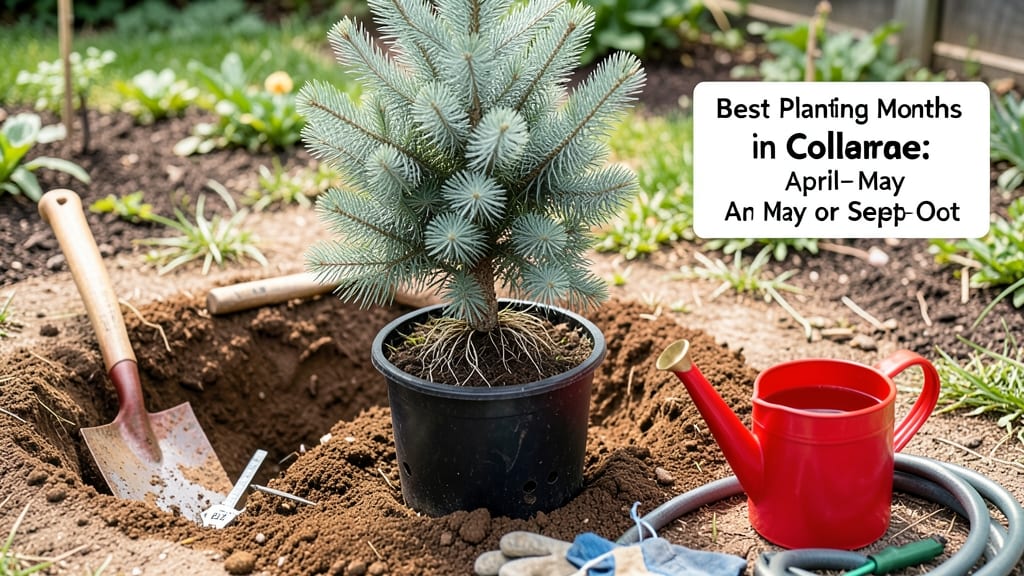
Timing your tree planting in Colorado can make or break whether your 🌳 thrives or struggles—especially when you're dealing with zones 5-7 and unpredictable mountain weather. Planting too early risks frost damage, while waiting too long means your tree won't establish roots before winter hits.
Most experts agree that the best window for planting trees in Colorado is late winter to early spring (March-April) or fall (September-October). This aligns with soil warming trends and avoids the state's notorious spring frost surprises.
But here's the catch: elevation and microclimates play huge roles. A tree planted in Denver's 5,280 feet might need different timing than one in Colorado Springs' 6,000 feet. I'll show you exactly how to adjust your approach based on your specific location and tree type.
Whether you're planting a fast-growing aspen or a hardy blue spruce, understanding these timing secrets will give your tree the strongest start possible. Let's dive into the details that make all the difference in Colorado's challenging growing conditions.
Colorado planting zones: best months by hardiness Zone for tree success
Colorado’s diverse climate—from high-altitude mountain valleys to arid plains—means planting a tree isn’t a one-size-fits-all task. The state spans USDA Hardiness Zones 4 through 7, with elevation playing a critical role in timing.
For example, a tree planted in Zone 5 Denver has a different ideal window than one in Zone 7 Colorado Springs. Understanding these zones helps you avoid planting during Colorado’s unpredictable spring frosts or scorching summer droughts.
Most Colorado gardeners agree: the best time to plant a tree is either in early spring (March–April) or fall (September–October). These windows align with soil temperatures between 40°F and 60°F, perfect for root establishment.
In high-elevation areas (like Zone 4 Aspen), aim for late April to early May to avoid late frosts, while lower elevations (like Zone 7 Pueblo) can start as early as March.
Fall planting is ideal because cooler temperatures reduce stress on the tree, and fall rains help roots settle before winter. However, avoid planting too late—mid-October or later risks exposing young roots to freezing before they establish.
Spring planting gives roots time to grow before summer’s heat, but don’t wait until after May, when soil dries out quickly.
Colorado’s microclimates add complexity. For instance, Western Slope regions (e.g., Grand Junction, Zone 6) have hotter, drier summers, so planting in late September ensures moisture retention. Meanwhile, Front Range foothills (e.g., Boulder, Zone 5) benefit from early September planting to capitalize on autumn rains.
Soil temperature is your #1 guide. Use a soil thermometer—roots need 50°F+ to grow actively. In Colorado, this typically means waiting until after the last frost (usually mid-April in most areas) or planting in fall before the first frost (usually mid-October).
For container-grown trees, you have more flexibility, but bare-root trees demand precise timing.
Elevation matters too. Trees planted above 7,000 feet (like in Zone 4 Summit County) should wait until late May to avoid frost damage, while those below 5,000 feet (like in Zone 7 Colorado Springs) can go in as early as March.
Always check local frost dates—Colorado’s Chinook winds can create false springs, luring you into planting too soon.
Here’s a quick rule of thumb: Plant deciduous trees in fall (they’re dormant and less stressed) and evergreens in early spring (to avoid winter desiccation).
Colorado’s native trees, like quaking aspen or Ponderosa pine, thrive when planted during these windows, while non-natives may need extra care to adapt to the state’s dry, alkaline soils.
| Zone & Location | Best Planting Window | Soil Temp Requirement | Key Consideration |
|---|---|---|---|
| Zone 4 (Aspen, Steamboat Springs) | Late May–early June or September | 50°F–60°F | Avoid late frosts; high elevation delays root growth |
| Zone 5 (Denver, Fort Collins) | March–April or September–October | 45°F–55°F | Chinook winds can dry soil; mulch heavily |
| Zone 6 (Grand Junction, Colorado Springs) | February–March or late September | 50°F–60°F | Drought-prone; water deeply after planting |
| Zone 7 (Pueblo, Alamosa) | January–February or October–November | 55°F–65°F | Hotter summers; plant container-grown trees early |
Colorado’s dry climate means post-planting care is just as critical as timing. After planting, water deeply once a week for the first year, focusing on the root zone. Use 3–4 inches of mulch to retain moisture and regulate soil temperature.
For newly planted trees, consider a tree guard to protect against deer or rabbits, especially in Zone 5 and below.
Pro tip: If you’re planting in fall, do it at least 6 weeks before the first frost to allow roots to establish. For spring planting, wait until the soil is workable (no more muddy clumps) and the risk of frost has passed.
In Colorado, this often means late April for most regions, but always check your local CoCoRaHS weather station for precise data.
Remember, trees planted at the right time in Colorado can live for decades or even centuries. Whether you’re adding a shade-giving oak or a windbreak pine, nailing the planting window is your first step to long-term success.
With these zone-specific guidelines, you’ll give your tree the best possible start—no matter where you garden in the Centennial State. 🌳
Signs your Colorado tree planting timing is perfect (or terrible)
Timing your tree planting in Colorado isn’t just about checking a calendar—it’s about reading the soil, weather patterns, and even the behavior of local wildlife. The right conditions create a thriving root system, while the wrong ones can leave your tree struggling for years.
Let’s break down the green flags and red flags that tell you whether you’ve picked the perfect window—or a disastrous one.
First, the soil temperature is your best friend. For most Colorado trees, the ground should be at least 45°F (7°C) at a depth of 6 inches. Use a soil thermometer to check—if it’s colder, roots won’t establish properly.
In USDA Zones 5-6, aim for late April to early May for spring planting, while Zone 7 can start as early as March. Fall planting? Shoot for September to early October before the first frost hits.
🌱
- Soil temp: 45°F+ at 6"
- Moisture: Damp but not soggy
- Weather: Cool, cloudy days
- Signs: Earthworms active
- Time: 4-6 weeks before frost
- Soil temp: Below 40°F
- Moisture: Frozen or bone-dry
- Weather: Extreme heat/cold
- Signs: Frozen ground or drought
- Time: During peak summer
Another critical clue is the activity of earthworms. If you see them crawling on your lawn, the soil is warm enough for roots to thrive. Conversely, if the ground is frozen or waterlogged, your tree will suffer.
In Colorado’s Front Range, spring planting after the last frost date (mid-April) gives roots time to establish before summer’s heat arrives. For fall planting, aim to finish by October 1st—any later risks frost damage to tender new growth.
Watch out for Colorado’s unpredictable spring frosts, which can kill young trees if planted too early. If you’re in elevations above 7,000 feet, like the Rocky Mountains, delay planting until mid-May to avoid late frosts.
Evergreens, like Colorado blue spruce, are especially vulnerable—plant them in late fall (September-October) so they can establish roots before winter.
Finally, pay attention to local wildlife. If you notice squirrels burying nuts or birds nesting, it’s a sign the ecosystem is ready for new growth. Avoid planting during peak summer (June-August) when Colorado’s dry heat and intense sunlight can shock young trees.
Instead, opt for early morning or late afternoon planting to reduce stress.
🌿